
Boom town
'The biggest gain from this initiative is the expansion of Philippine dramaturgy — more original Filipino plays that honestly reflect the realities of our time.'

Eugene Domingo and her closest theater friends embracing all the absurdity and chaos in Ang Babae sa Septic Tank 4. A different and complicated kind of love brought to life by Epi Quizon, Elijah Canlas, and Romnick Sarmenta in About Us But Not About Us. The Muhlach twins, Andres and Atasha, dazzling audiences in the musical spectacles Bagets and Bongga Ka, ’Day!. And the contractual existence and transactional romance that Royce Cabrera and Justin Curtis Smith made painfully real in Endo.
These productions have all contributed to what many now describe as the current boom in Philippine theater.
Rave reviews, strong word of mouth, traditional and digital media exposure, fresh narratives, committed performances, and high artistic standards have encouraged both longtime theatergoers and a new generation of audiences to spend their time and money on what have become the country’s “must-see” productions.
Not every play, however, enjoys public adoration or becomes both a commercial and critical success. Reruns do not always guarantee a return on investment. Imported touring musicals and classic productions, despite boasting stellar casts, have sometimes delivered underwhelming results. Likewise, hype and social media buzz have done little to save some local productions that were criticized for weak storytelling and amateurish staging. Then there is the issue of ticket prices, which many continue to view as prohibitively expensive and, consequently, elitist.
Given these realities, I cannot help but wonder: Is Philippine theater truly booming? Or are we simply holding on to a hopeful perception?
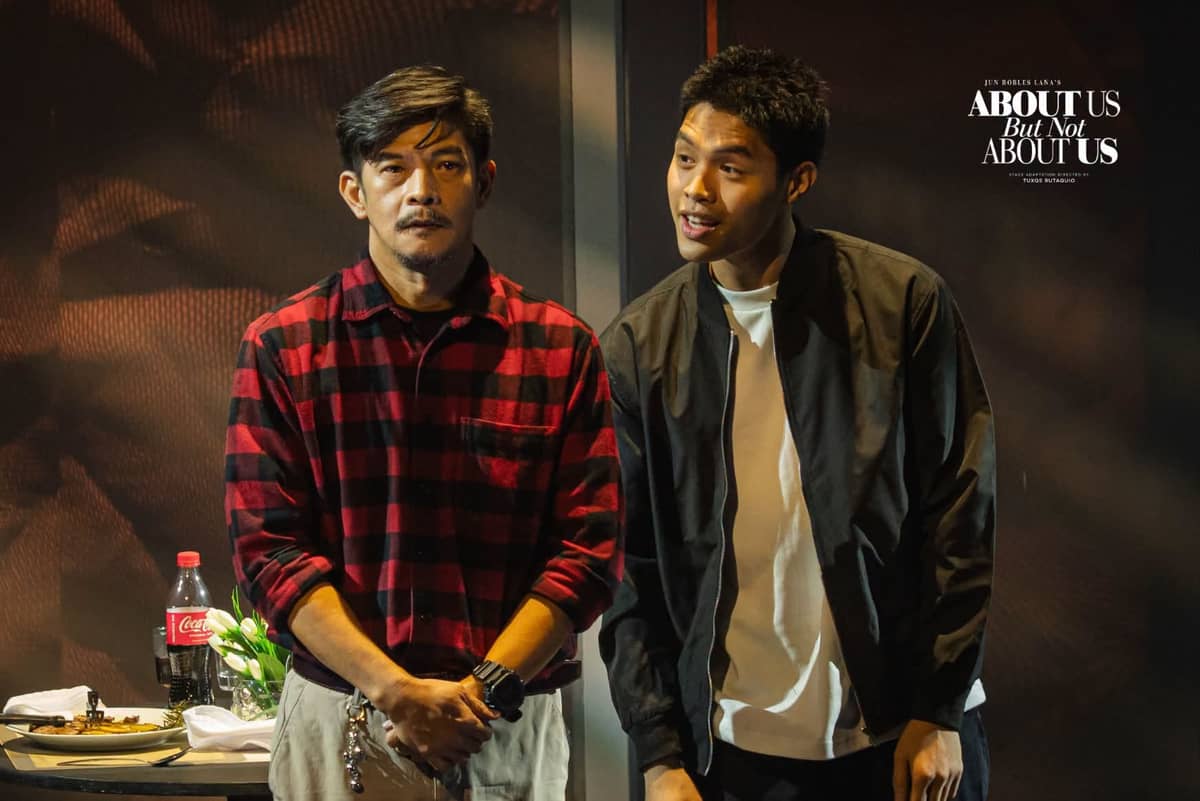
ROMNICK Sarmenta and Elijah Canlas.
Interesting
The idea of a Philippine theater boom may soon become more than wishful thinking.
Teatro Panalo, sponsored by supermarket chain Puregold, has greenlit eight straight plays and four musicals, with each playwright receiving P100,000 in seed funding.
Each project will receive full development and production support, including professional staging, technical requirements, and compensation for artists and production crews.
The biggest gain from this initiative is the expansion of Philippine dramaturgy. More original Filipino plays mean a richer theatrical canon — one that honestly reflects the realities, aspirations and complexities of our time.
Both seasoned and emerging artists, together with technical professionals, are being given a rare opportunity to create without the constant burden of limited resources. When the festival concludes, one straight play and one musical will receive full production funding for a commercial theatrical run.
The fact that this initiative comes from the private sector is particularly commendable. It proves that Filipino storytelling — and the artists who bring those stories to life — is worthy of investment and trust.
Sponsors provide the funding, while industry partners offer guidance, mentorship, and professional opportunities. The result is a new generation of Filipino stories that audiences can experience with fresh eyes, open minds, and receptive hearts — stories they will not only appreciate but hopefully treasure.
Concerns
The Philippine theater industry’s biggest challenge remains economics.
The weak peso and rising inflation continue to affect artists’ fees, venue rentals, set construction, costumes, technical equipment, transportation, marketing, publicity, food, and licensing costs. As production expenses continue to climb, ticket prices inevitably follow.
Another concern is audience capacity. While promotional photos may show packed houses, most accessible theater venues seat only 250 to 800 people, with the largest accommodating around 2,000. More often than not, those seats are occupied by the same loyal theatergoers and members of the theater community.
There is a pressing need for a comprehensive theater appreciation program that gives elementary, high school, and college students regular opportunities to watch live productions. Attending major theatrical performances should become part of every academic year — not merely as a requirement, but as an experience students genuinely anticipate. If theater becomes part of their formative years, supporting it as adults will come naturally.
Beyond these are countless other concerns that established companies and emerging theater groups face every day. Listing them all would be futile.
What the industry urgently needs is a shift in the mindset of both corporate sponsors and government institutions. They must recognize the value of bringing more people into theaters and making live performances more accessible.
After all, whether a straight play or a musical, theater remains one of the richest repositories of a nation’s culture, history and identity.