
A HARDER KIND OF HELP
Japan helps the Philippines watch the sea. Now a new pact cuts red tape, while destroyer talks hint at a harder alliance taking shape.

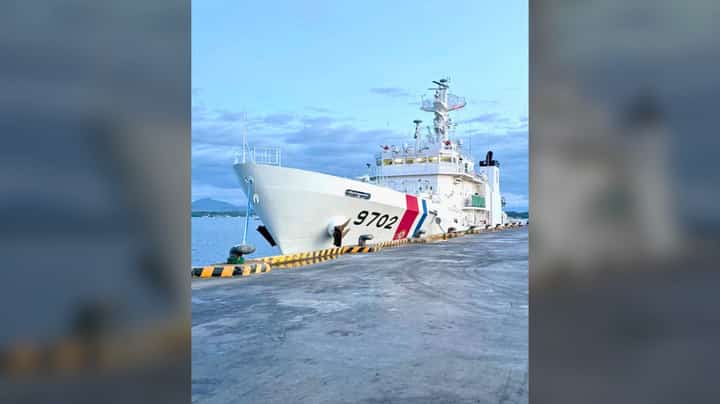
BRP Melchora Aquino’did not come to look this pretty beside the pier. Japan financed it to stay out longer and arrive where smaller ships never dare.
Japanese and Filipino troops can now help each other without stopping every hour to ask who pays for the fuel.
That is the real meaning of the new defense deal between Manila and Tokyo.
An agreement was recently reached allowing the Armed Forces and Japan's Self-Defense Forces to share supplies and services (fuel, food, transport, repairs, medical help) during joint drills, disaster response and other approved missions.
The pact will take effect beginning 22 August. It is not a war treaty. Japan is not promising to fight every Philippine battle. The Philippines is not promising the same. But the two militaries can now work together faster and with less red tape.
Toshimitsu Motegi and Department of Foreign Af fairs Secretary Maria Theresa Lazaro signed the agreement in Manila on 15 January.

MITSUBISHI surveillance radar systems to were supplied to the Philippines improve detection and tracking of aircraft approaching our airspace.
The July exchange of notes made it official.
The deal is only the latest piece of a defense relationship that has grown quietly, then suddenly.
Japan has become one of the Philippines' most important security partners. It has provided aircraft, radar, patrol vessels, smaller boats, spare parts and training.
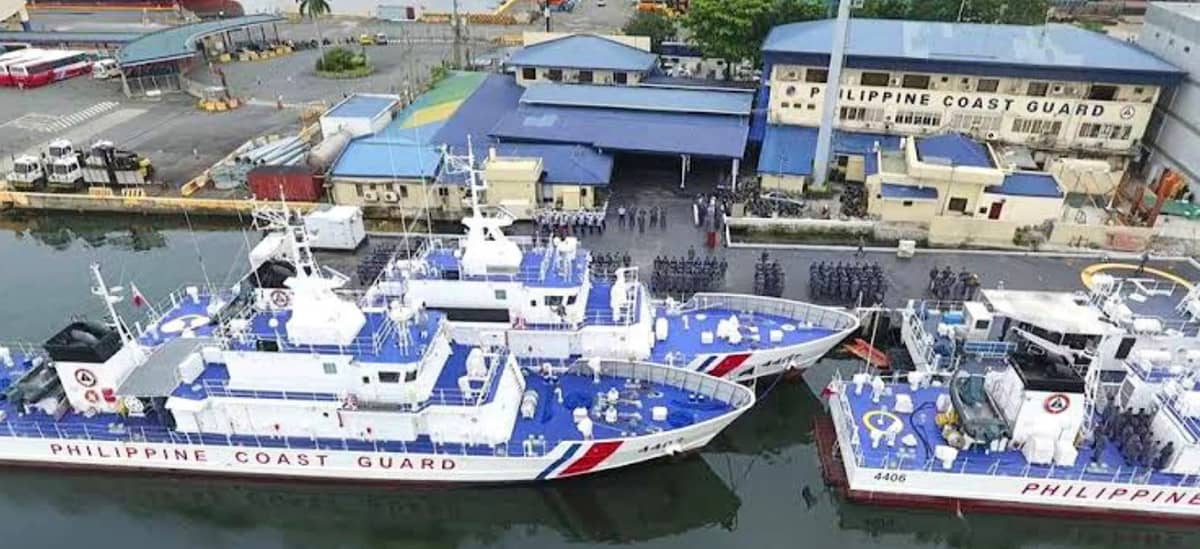
JAPAN financed 10 Parola-class patrol vessels. small enough to be everywhere. numerous enough to leave fewer empty patches of sea.
Five used Japanese TC-90 aircraft were turned over to the Philippine Navy. Filipino crews use them to patrol the country's waters, watch the coastline, move personnel and respond during disasters.
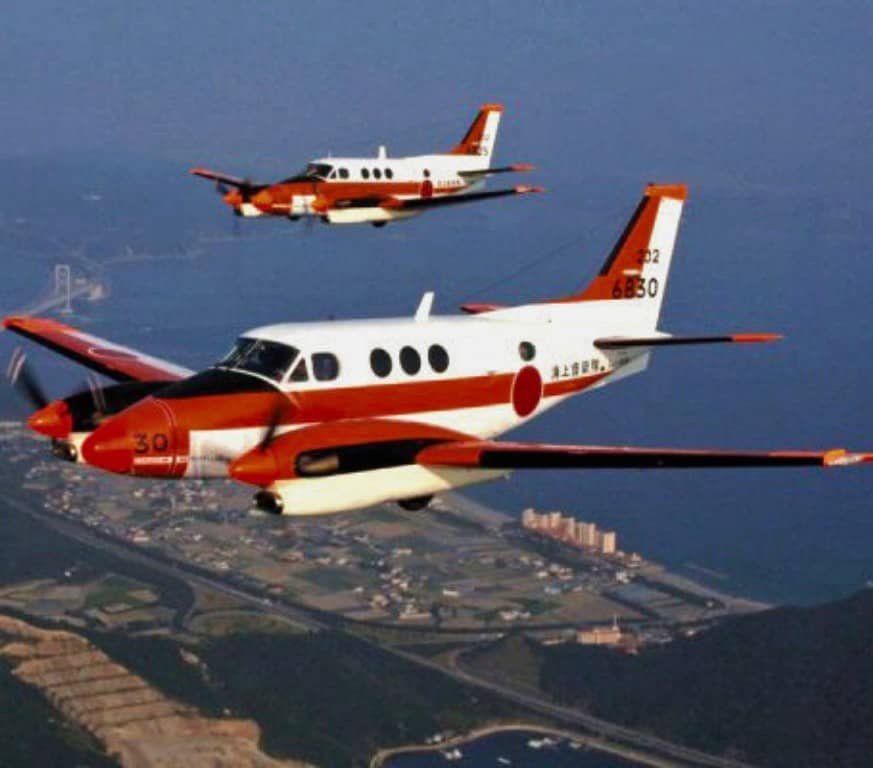
JAPAN gave the Philippine navy five TC 90 aircraft, giving filipino crews a longer look over the waters around them.
In 2019, Japan sent around 40,000 spare parts and pieces of maintenance equipment for Philippine UH-1H helicopters.
Parts, not helicopters.
The Philippines also bought four Japanese radar systems to help watch the skies.
Separate Japanese grants paid for coastal radar and small patrol boats. Useful gear. Quiet gear.
Then there are ships.
Japanese money put 10 44-meter patrol ships into the Coast Guard fleet.
It also backed the much larger heavy metal: BRP Teresa Magbanua and BRP Melchora Aquino.
Five more are being acquired under another Japanese loan.
They have not arrived yet.
The countries are also discussing the possible transfer of retired Japanese destroyers and one more TC-90 aircraft.
And, soon, Japan may send over the Abukuma class.
Old ships, yes.
Still armed, still fast: steel hulls built to chase submarines through black water and survive seas that break lesser ships.
For years, Japan taught the Philippines to see farther. The Abukumas would teach it to bite.
Nothing has crossed the horizon yet. The talks are still alive, waiting for the ships to leave Japanese service.
Japan trained the crews, sailors, pilots, Coast Guard men who had to keep the engines alive, pull people out of the sea and show up when the weather turned savage.
The Philippines could not answer with the same mountain of steel, nary a matching fleet or a pile of aircraft, so it brought the one thing Japan could not build.
A place to move, train. A place to watch the water.
The Philippines sits under Taiwan and against the South China Sea, right where the Pacific starts squeezing into Southeast Asia. Ships pass. Warships. Trade. Japan has looked at that map for years.
Now it has a way in.
An agreement already in force lets Japanese troops come to the Philippines for exercises and Filipino troops train in Japan without both governments rebuilding the legal rules every time before the first boot hits the ground.
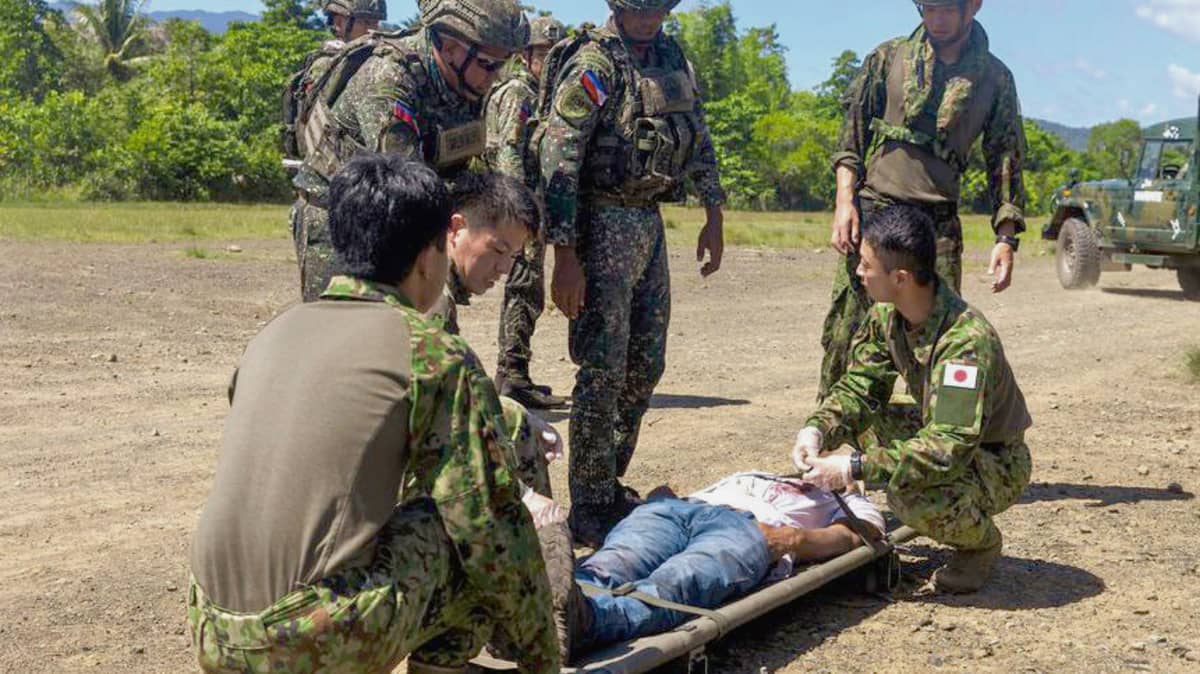
JAPANESE and filipino troops train together regularly. beginning 22 August, a new logistics pact will make those exercises easier to supply and support.
PHOTOGRAPH courtesy of U.S. Marines
No permanent Japanese bases or a flag planted in Luzon. Access.
In this part of the world, access is power.