
How to fight ‘slowflation’: Davao businessman urges agri, power, export reforms
‘Every peso of public debt must go toward high-multiplier infrastructure and human capital.’
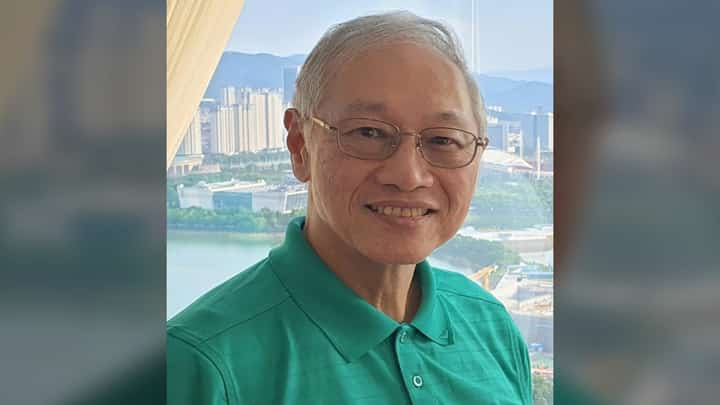
Davao-based businessman John Gaisano Jr. has urged the government to tackle structural weaknesses in food production, energy costs and exports to pull the Philippines out of what he calls a “slowflation,” a painful combination of rising prices and sluggish economic growth.
Gaisano said short-term interventions such as price controls and cash handouts would not address the underlying problems, stressing the need for sustained investments and disciplined economic policies.
“Instead of relying solely on reactive import orders or price ceilings that discourage farmers, we need aggressive investments in irrigation, cold storage facilities, farm-to-market roads and post-harvest logistics so local harvests actually reach markets without spoiling in transit,” he said.
His recommendations came amid mounting economic headwinds, including geopolitical tensions, a weakening peso, elevated inflation and slowing economic activity.
Citing the country’s dependence on imported fuel and essential commodities, Gaisano said global oil price increases and weather-related disruptions to domestic harvests drive up production and transportation costs, placing additional pressure on household budgets.
He also called for urgent measures to bring down electricity costs, which he said were undermining local manufacturing and making the country less attractive to foreign investors.
“Fast-tracking power generation projects, streamlining permits, and sourcing fuel strictly by lowest landed cost — not geopolitics — will immediately lower the cost of doing business,” he said.
Gaisano likewise urged the government to expand the country’s sources of foreign exchange beyond overseas Filipino worker remittances and the business process outsourcing industry.
While acknowledging their contributions to the economy, he said the country must scale up high-value exports, including electronics, processed agricultural products, and digital services, while investing in tourism infrastructure.
“OFW remittances and the BPO sector have carried our economy for decades, but they aren’t enough to offset a massive trade deficit,” he said.
He added that stronger export earnings would help bring in foreign currency and support the peso.
Gaisano also called for more disciplined government spending, saying public borrowing should prioritize infrastructure and human capital development, particularly education and healthcare, rather than excessive overhead and political patronage.
“Every peso of public debt must go toward high-multiplier infrastructure and human capital,” he said.
Economic squeeze
Gaisano’s prescriptions come as the Philippines faces what he described as “slowflation,” an economic squeeze marked by resurgent inflation, decelerating growth, and a weakening currency.
His assessment echoes a recent pronouncement by Citigroup that the country was already experiencing stagflation, which it also described as “slowflation.”
Gaisano pointed to the country’s dependence on imports, particularly of fuel and essential food commodities, as a major source of inflationary pressure.
The peso’s weakness against the US dollar further compounds the problem, raising the cost of imported crude oil, medicines, manufacturing equipment, and fertilizer.
He warned that elevated borrowing costs — as the Bangko Sentral ng Pilipinas seeks to contain inflation and support the currency — could further dampen household spending and discourage businesses from expanding or hiring.
“If you feel like your pay is shrinking every time you step into a grocery store or gas station, you aren’t imagining things,” he said.
Gaisano, an educator and civic leader, said addressing the problem would require an honest assessment of its causes and practical action rather than political slogans and temporary fixes.