
House OKs bill to drop gov’t retirement age to 56
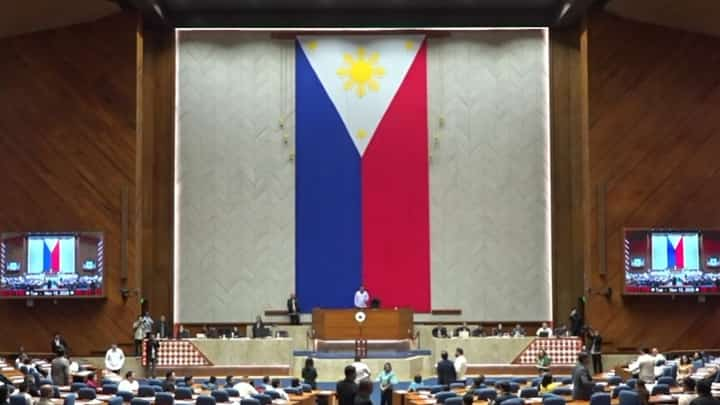
The House of Representatives on Tuesday unanimously approved, on third and final reading, a measure intended to lower the optional retirement age for government personnel from 60 to 56.
The measure would amend the Government Service Insurance System Act of 1997, which granted employees who retired from service benefits in the form of monthly pensions.
Aside from the 56 years old threshold, government workers are also required to render at least 15 years of creditable service.
More than 40 lawmakers authored the measure, reportedly intended to let employees retire earlier to pursue other passions and endeavors.
Lawmakers similarly bared that the additional time would allow workers to spend more time with their families, utilizing the amounts that they managed to accumulate throughout their years of service.
Counterpart bills were filed at the Senate by Senator Robinhood Padilla and Senator Sherwin “Win” Gatchalian, however, both measures remain pending at the House Committee on Civil Service, Government Reorganization and Professional Regulation.
Earlier in the year, a similar bill intended to increase the retirement age of officials from the Philippine National Police and the Armed Forces of the Philippines from 56 to 57 was also passed at the lower chamber.
Safe Space Bill amendments approved
During the same legislative session, lawmakers at the House also voted to approve a measure that would implement amendments to the Safe Spaces Act, which enforces punishments against individuals that committed acts like gender-based sexual harassment and criminalized grooming.
The bill, which received 200 affirmative votes, two in the negative, and one abstention, imposed penalties ranging from P300,000 to P600,000 on people that were found guilty of grooming children.
Grooming was defined as the “predatory conduct, an act, or pattern of acts of establishing a relationship of trust or emotional connection by a person with a child or someone who is believed to be a child, and/or the child’s family, guardian, or caregivers” regardless if it was physically or through online.
A separate provision of the bill employed stiff penalties against public officials that promote or encourage sexual harassment and those who speak misogynistic, transphobic, homophobic, and sexist slurs.
In an effort to aid victims, the proposed law provides individuals with a five to ten year prescriptive period to seek assistance from authorities.
The bill similarly urged local government and educational institutions to structure their policies in a way that protected individuals from such forms of harassment.