
DA sees holiday food prices holding steady
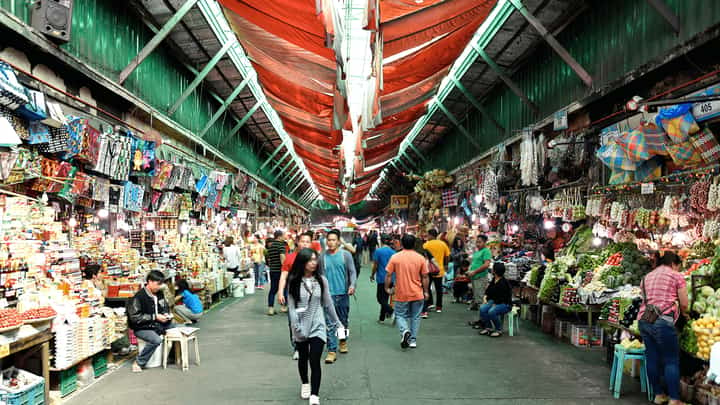
Filipino households may get some relief from rising food costs this Christmas, as the Department of Agriculture (DA) expects meat and fish prices to hold steady despite the holiday demand surge, although El Niño could spoil the outlook for vegetables.
Agriculture Secretary Francisco Tiu Laurel Jr. on Monday said the country has enough pork and chicken supplies to prevent significant price increases during the holiday season, easing concerns over another squeeze on household budgets.
“For pork, we have quite a large supply, as already mentioned, so I see prices remaining stable. Chicken prices are also quite stable, and we monitor them every day,” Tiu Laurel said in an interview with reporters.
But the agriculture chief warned that vegetables could be the weak spot in an otherwise stable food price outlook as El Niño threatens farm production.
“Vegetable prices might fluctuate slightly because of El Niño,” he said.
Latest DA Bantay Presyo monitoring showed pork belly selling for as much as P440 per kilo in Metro Manila markets as of 22 November, although prices were as low as P300, bringing the average to P368.86.
Pork ham ranged from P260 to P380 per kilo, averaging P310.38, while whole chicken sold for P160 to P240 per kilo, averaging P199.92.
Fish prices are also expected to remain manageable despite seasonal fishing restrictions that have increased reliance on imported marine products.
Tiu Laurel said local production of tilapia and milkfish continues, helping maintain supplies even as the fishing closed season limits catches of certain species.
DA data showed tilapia selling for P120 to P200 per kilo, while milkfish ranged from P180 to P280. Imported galunggong fetched P260 to P300 per kilo.
Vegetables, however, could put additional pressure on holiday food budgets.
Tomatoes were selling for as much as P170 per kilo, eggplants P160 and carrots P180, while some cabbage varieties reached P150, according to DA monitoring.
Meanwhile, Tiu Laurel dismissed concerns that premium imported rice reaching P65 per kilo signals a broader increase in rice prices.
He explained that expensive specialty varieties, including Japanese rice and Indian Basmati, are pushing up the upper end of the market without necessarily affecting cheaper alternatives.
“So just because some rice varieties are expensive does not necessarily mean that all rice prices have increased,” he said.
“You can still find rice selling for P44 or P43 per kilo. I personally monitor rice prices every day,” he added.
The DA recorded imported premium rice selling for P48 to P65 per kilo, while locally produced regular-milled rice remained available for P38 to P52 per kilo.
Tiu Laurel said the wider selection of rice varieties gives consumers room to adjust their purchases according to their budgets.