
CALABARZON peso purchasing power falls to 72 centavos
PSA data show reduced value of the peso against 2018 prices amid rising consumer inflation
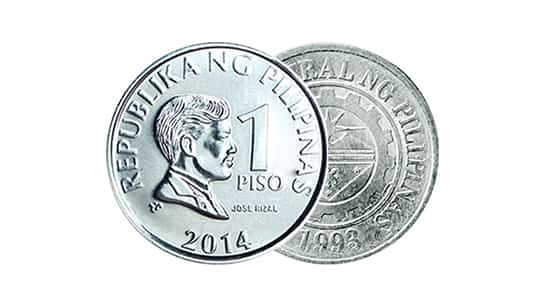
LIPA CITY, Batangas — The purchasing power of the peso in CALABARZON stood at 72 centavos in October 2026, reflecting the reduced value of money in purchasing goods and services compared with 2018, the Philippine Statistics Authority (PSA) reported.
The figure was included in the latest regional inflation report released by PSA CALABARZON Regional Director Charito C. Armonia during a press conference on Monday, 9 November.
According to the PSA, the purchasing power of the peso measures the real value of money relative to the prices of goods and services in a given base year.
The 72-centavo figure means that one peso in October 2026 had the equivalent purchasing power of approximately 72 centavos in 2018.
Conversely, goods and services that cost P100 in 2018 would require approximately P138.89 to purchase in October 2026, based on the regional price index implied by the reported purchasing power.
The figures come as CALABARZON’s overall inflation rate accelerated to 7.6 percent in October from 7.2 percent in September.
The October rate was also significantly higher than the 2.5 percent recorded during the same month in 2025.
Transportation emerged as the leading contributor to the acceleration in regional inflation, recording an inflation rate of 18.3 percent.
Housing, water, electricity, gas and other fuels posted an inflation rate of 11.2 percent.
Among food commodities, rice registered 15.9 percent inflation, while fruits and nuts recorded 13.6 percent.
The continued increase in consumer prices illustrates how inflation can reduce household purchasing power over time.
A lower purchasing power of the peso means consumers need more money to purchase the same basket of goods and services compared with the base year.
The PSA uses 2018 as the base year for its current consumer price index calculations.
Detailed regional and provincial inflation statistics are available through the agency’s OpenSTAT database.