
PCIC, PCIA to boost cacao development in the Philippines
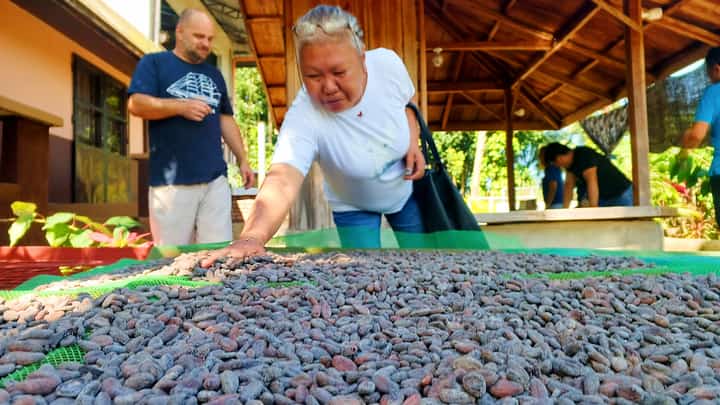
The Philippine Cacao Industry Council (PCIC) and the Philippine Cacao Industry Association (PCIA) are eyeing to boost the cacao development in the country by holding a consultation at the KDF Farm Training Center at Barangay Maliwalu in the town of Bacolor, Pampanga on 19 February 2026.
The Luzon Island-Wide Consultation for the Cacao Development Roadmap by the PCIC and PCIA are in collaboration with the Department of Agriculture (DA) Regional Field Office 3 (RFO3) and the Kapampangan Development Foundation, Inc.
DA Undersecretary for Identified High Value Export Crops and Agri-Fishery Export Development and Promotion Philip Young, along with 150 participants from various institutions and agencies in different areas of Luzon took part in the said consultation.
The activity aims to strengthen the coordination and collaboration of cacao stakeholders for the continuous growth of the Cacao Development Program in Luzon.
The Philippine cacao industry is currently transitioning to a new Five-Year Development Plan (2026–2030), unveiled in 2025 by the PCIC and the PCIA. This roadmap, themed “Convergence,” aims to unify farmers, processors, and government agencies to elevate the country’s global competitiveness.
The cacao industry in Luzon is experiencing a surge, driven by expanding production in Quezon province, which is emerging as a Calabarzon hub with initiatives in Gumaca and 9 other towns.
Aurora province and the Cordillera region are also boosting production through DTI-supported initiatives and climate-resilient farming.
The industry focuses on high-value products like tablea, utilizing superior varieties (UF18, BR25) to meet high local demand, though it faces challenges with low productivity and post-harvest skills.