
Supply chain gaps keep food prices under pressure
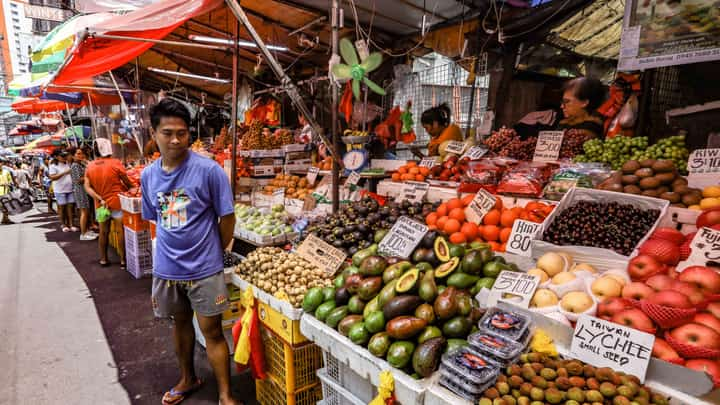
Persistent gaps in agricultural storage and transportation continue to threaten food price stability, prompting the Department of Agriculture (DA) to expand cold storage infrastructure and fuel assistance to reduce losses and contain distribution costs.
The agency on Friday inaugurated three modular cold storage facilities in Ilocos Sur and opened fuel assistance registration for agricultural truckers to address inefficiencies that erode farmers’ incomes and add pressure on consumer prices.
“Building our postharvest infrastructure is critical to ensuring that food supply and prices are stable. When farmers have access to proper storage, they have more flexibility in bringing their produce to market, reducing spoilage and protecting their income,” Agriculture Secretary Francisco Tiu Laurel Jr. said.
“At the same time, we must keep the agricultural logistics system moving despite higher fuel and other operating costs so food continues to reach consumers at reasonable prices,” he added.
The facilities in Sto. Domingo, Bantay and Narvacan will help farmers preserve perishable produce longer, consolidate shipments and avoid selling immediately after harvest when limited storage options weaken their bargaining power.
Meanwhile, the DA opened fuel assistance registration for agricultural truckers in Sto. Domingo and distributed fuel subsidy intervention monitoring cards to farmers.
The initiative aims to cushion transport operators against higher diesel prices and hauling expenses that can drive up food distribution costs.
DA Undersecretary Arrey Perez said the interventions would also help protect the sector against climate-related disruptions.
“These interventions are part of the Department’s proactive measures to cushion the agriculture sector from the adverse effects of El Niño while providing long-term support to our farmers and agricultural stakeholders. Beyond addressing immediate challenges, we are investing in infrastructure and systems that will strengthen the resilience and sustainability of our agricultural sector,” Perez said.
The projects fall under the DA’s Government Assistance and Interventions for National Agriculture Program, which seeks to address gaps in storage, logistics, market access, and climate resilience.