
Integrated ASEAN food market eyed by 2045
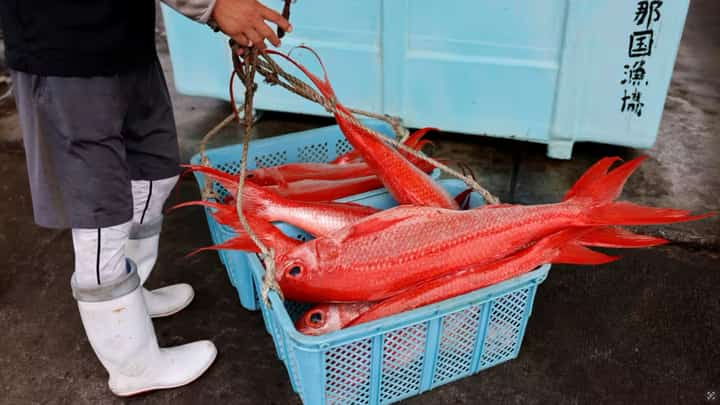
China stopped importing Japanese seafood in August 2023 over the release of treated wastewater from the Fukushima Daiichi plant.
ASEAN is moving to create a more integrated agricultural market by 2045, targeting fewer trade barriers, greater private investment and stronger regional food security amid rising climate risks and supply disruptions.
Under the ASEAN Leaders’ Declaration on the Vision for Food, Agriculture and Forestry Towards 2045, member states committed to improving market access, strengthening agricultural supply chains and accelerating investments in modern farming and food production.
The declaration seeks to strengthen Southeast Asia’s competitiveness as an agricultural trading partner while improving farmers’ incomes and productivity.
“We are committed to enhancing trade and market connectivity through the strategic market integration free of unnecessary trade barriers and through the strategic integration of science, technology, research, development and innovation,” ASEAN leaders said.
The regional bloc emphasized that predictable market access and profitable agricultural production are essential to encouraging farmers and businesses to invest in sustainable practices.
“Economic sustainability is a prerequisite for achieving environmental sustainability. Without a stable and profitable market, producers lack the resources and incentives to invest in sustainable practices,” the declaration read.
To attract capital, ASEAN committed to improving the investment climate through policy reforms, regulatory support and financial incentives for domestic and foreign investors.
Member states also plan to expand public-private partnerships and tap international financial institutions to finance agricultural infrastructure, research and innovation.
Green financing mechanisms, including green credits, were identified as potential funding sources for sustainable agricultural projects.
ASEAN also seeks to accelerate technology adoption by expanding farmers’ access to precision agriculture, weather forecasting, drought monitoring and market data analytics to improve productivity and reduce production risks.
The strategy includes stronger cooperation on climate-resilient farming, disaster preparedness, water management and renewable energy adoption.
ASEAN leaders tasked the region’s agriculture and forestry ministers to coordinate implementation with other relevant ministers.
The declaration is part of ASEAN’s 2045 vision to establish a more competitive, sustainable and resilient regional agricultural sector capable of supporting stable food supplies and economic growth.