
DENR, partners launch 30-hectare forest restoration project in Bataan

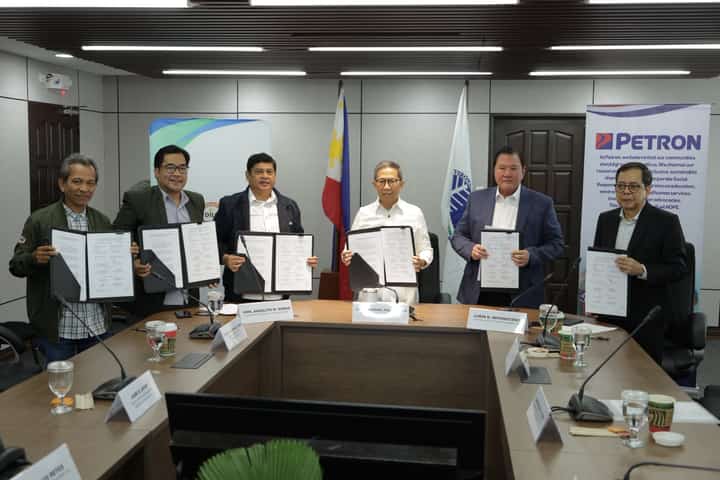
MULTI-SECTOR collaboration targets ecosystem recovery and community-based reforestation in Sitio Daing, Barangay Duale, Limay, Bataan.
DENR via Jing Villamente,
A multi-sector initiative has been launched to restore 30 hectares of degraded upland forest in Sitio Daing, Barangay Duale, Limay, Bataan. The Department of Environment and Natural Resources (DENR) described it as the official start of the five-year Puno ng Buhay–Limay Reforestation Project.
The project involves the DENR, the Provincial Government of Bataan, the Municipality of Limay, Petron Foundation, Inc., and the Samahang Magsasaka sa Kagubatan Limay Bataan, Inc. (SAMASAKA). Its objectives include rehabilitating denuded forestlands, protecting critical watersheds, and contributing to climate action through forest restoration and carbon sequestration.
The reforestation area lies within SAMASAKA’s Community-Based Forest Management area and will use a community-led approach. Plans include planting native species, including fruit-bearing trees, bamboo, and timber trees, to improve biodiversity and enhance ecosystem resilience.
Petron General Manager and Chairperson Lubin B. Nepomoceno said the project is intended to improve groundwater recharge and provide benefits to local communities.
At the end of the five-year term, all rehabilitated areas and project improvements will be formally turned over to the DENR for continued management and protection.