
DENR summit to strengthen pawikan conservation in 3 Luzon provinces
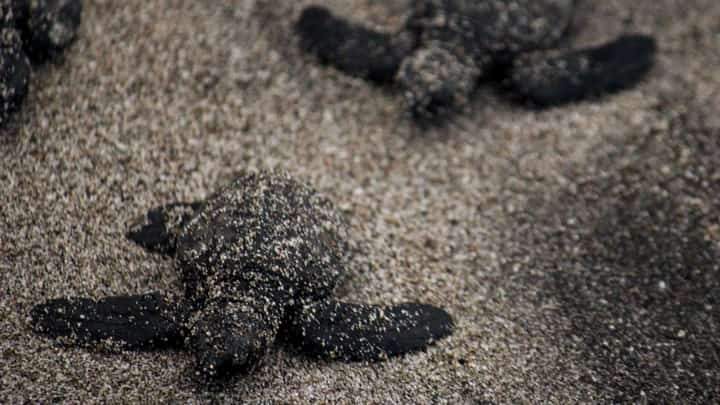
The Cavite, Bataan, and Zambales (CABATALES) Network Marine Turtle Conservation Summit is set to highlight marine turtle conservation efforts in the three provinces and establish a coordinated framework for protecting marine turtles and promoting coastal sustainability across Central and Southern Luzon.
Spearheaded by the Department of Environment and Natural Resources (DENR) Biodiversity Management Bureau–Coastal and Marine Division, together with regional offices, local government units, and conservation groups such as the Pawikan Conservation Center, the summit will be held from 15 to 17 November in Metro Manila.
The summit aims to consolidate baseline data on nesting sites and habitats, evaluate coastal erosion and vulnerabilities using Coastal Integrity Vulnerability Assessment (CIVAT) tools, and finalize a multi-party memorandum of agreement (MOA) to establish a synchronized regional pawikan conservation framework.
Ahead of the summit, the DENR conducted science-based assessments to identify vulnerable shorelines and protect critical marine turtle nesting habitats in Zambales. The findings will be presented during the gathering.
According to the DENR, it conducted Phase I of the CABATALES Marine Protected Area (MPA) Network Joint Field Assessment to establish baseline data for coastal management and biodiversity conservation across Cavite, Bataan, and Zambales.
In Zambales, the assessment aims to provide scientific information to guide coastal management measures and help protect marine turtle nesting habitats and other vital coastal ecosystems.
Marife Castillo, head of the DENR provincial office in Zambales, said the assessment covered Bani in Masinloc, La Paz in San Narciso, Driftwood Beach in Olongapo City, and Binoclutan in Botolan.
Technical teams conducted CIVAT and beach profiling to document shoreline conditions, assess erosion risks, and examine factors that may affect coastal stability and marine turtle nesting habitats.
Castillo said the findings will help guide future conservation measures and coastal management interventions, particularly in identifying areas that may require further assessment and protection.
DENR Regional Executive Director Ralph Pablo emphasized the importance of science-based planning and inter-agency cooperation in addressing coastal vulnerabilities and protecting marine biodiversity.
“Understanding the condition of our coastlines is essential to identifying areas that need protection and determining appropriate conservation measures. Through science-based assessments and close coordination with local government units and our partners, we can strengthen efforts to protect marine turtle nesting habitats, conserve coastal ecosystems, and help communities prepare for coastal hazards,” Pablo said.