
DENR rescues eight Philippine scops owls in Baguio
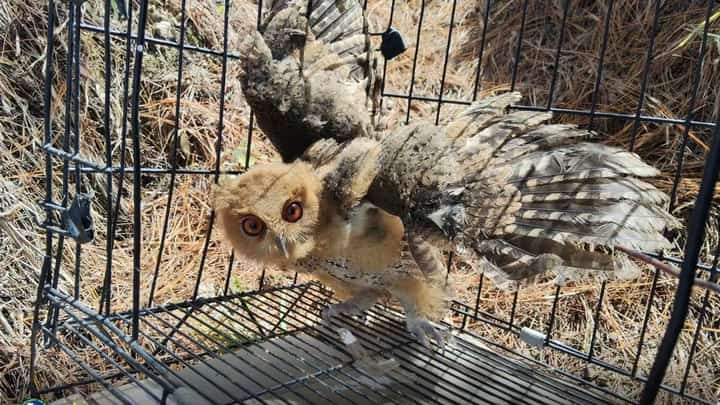
BAGUIO CITY — Eight Philippine scops owls (Otus megalotis), a species endemic to the Philippines, were rescued or voluntarily turned over to the Department of Environment and Natural Resources (DENR) Cordillera during the first half of the year, the agency reported.
The DENR Cordillera Regional Wildlife Rescue Center recorded eight separate rescues across Baguio City, involving four adult owls and four juveniles.
The rescued owls were named Ammay, Banni, Moji, Kasper, Joni, Jams, Gale and Gorgi by the residents who found them and the wildlife personnel who handled their care.
Ammay was the first owl recorded by the rescue center this year after being retrieved from Burnham Park in January. Subsequent rescues included Banni from the Department of Education compound, Moji from Bakakeng Norte, Kasper and Joni from Aurora Hill, Jams from Camp 8, and Gale and Gorgi from Pinsao Proper.
Wildlife experts said the frequent appearance of Philippine scops owls in urban areas is linked to their natural breeding cycle. Juvenile owls leave their nests before developing full flight capabilities, spending time on lower branches or the ground to strengthen their wings and learn to hunt while their parents remain nearby.
The DENR advised that human intervention is necessary only when young birds are injured, orphaned or exposed to immediate hazards such as vehicles and domestic animals.
The species continues to thrive in urban landscapes such as Baguio City because of pine trees, wooded parks and mature vegetation that provide habitats for prey, including insects, moths, lizards and rodents.
However, habitat fragmentation caused by ongoing urban development has increased encounters between humans and wildlife as birds search for food, nesting sites and territory.
DENR Cordillera attributed the increase in reported rescues to growing public awareness of wildlife conservation, noting that residents are increasingly contacting authorities for professional retrieval rather than keeping or ignoring the birds.
Each rescued owl undergoes a health assessment by wildlife personnel and a veterinarian before being cleared for release back into its natural habitat.