
100,000 Mindanao farmers to benefit from 10M coconut tree project
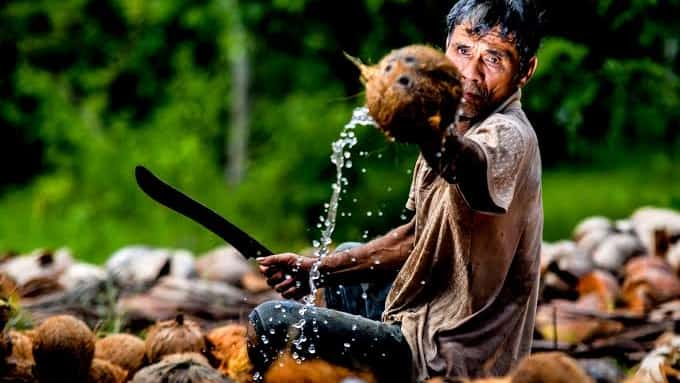
President Ferdinand Marcos Jr. on Thursday, 26 November 2026, witnessed the signing of a partnership with major food industry players to plant 10 million coconut trees in Mindanao, an initiative expected to benefit 100,000 smallholder farmers and strengthen the country's coconut industry.
During the signing ceremony at Malacañang, Marcos said the initiative would help improve food security, create jobs, boost farmers' incomes and increase the national supply of coconuts.
“Kapag namunga na ang mga puno, inaasahang kikita ang bawat magsasaka ng karagdagang 30,000 hanggang 65,000 piso bawat taon, sa loob ng humigit-kumulang 50 taon,” Marcos said.
The President said increased coconut production would provide additional raw materials for local processors, generate employment in rural communities and create opportunities to expand Philippine coconut exports.
The partnership brings together Metro Pacific Agro Ventures Inc., the Vita Coco Community Foundation, Century Pacific Food Inc. and HOPE to support coconut farmers through the distribution of quality seedlings, training in sustainable agricultural practices and assistance in connecting them with buyers.
Marcos also highlighted the potential benefits for local nurseries, noting that demand for coconut seedlings could create economic opportunities even before the newly planted trees begin bearing fruit.
The initiative forms part of the administration's broader goal of planting 100 million coconut trees nationwide.
According to Marcos, the government had planted nearly 29 million coconut trees under its replanting program as of October 2026.
He emphasized the importance of replacing aging and less productive coconut palms to ensure sustainable livelihoods for farmers, many of whom continue to depend on trees inherited from previous generations.
However, the President acknowledged that replanting requires substantial resources, particularly because newly planted coconut trees take several years to become productive.
He said private sector participation would be crucial in sustaining the program and supporting farmers during the transition.
Marcos directed the Department of Agriculture, Philippine Coconut Authority, local government units and other concerned agencies to coordinate closely with private partners to ensure farmers receive quality seedlings, technical assistance and continued support until the trees become productive.
Boosting Mindanao's coconut industry
HOPE founder and Chairperson Nanette Medved-Po said the partnership demonstrates the private sector's commitment to supporting the administration's efforts to revitalize the coconut industry and improve the lives of smallholder farmers.
Under the initiative, 10 million coconut seedlings will be distributed to 100,000 smallholder farmers across Mindanao.
HOPE and its partners will work directly with beneficiaries to provide seedlings, sustainable farming training and market linkages to help farmers secure buyers for their produce.
Mindanao was selected as the project's primary location because it accounts for more than 60 percent of the country's coconut production.
Beyond its economic benefits, the initiative is also projected to sequester more than four million metric tons of carbon dioxide, contributing to environmental sustainability and climate change mitigation.
The partnership is expected to strengthen the long-term productivity of the coconut industry while creating additional livelihood opportunities for farming communities.