
SC junks Duterte habeas corpus petitions
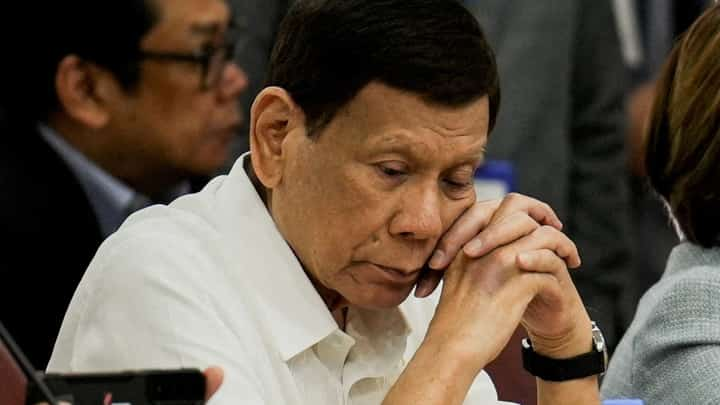
Voting 9–4, with one justice not participating due to official business, the Supreme Court dismissed the consolidated habeas corpus petitions challenging the arrest of former President Rodrigo Duterte, ruling that the issue is now moot because he is already in the custody of the International Criminal Court (ICC) in The Hague.
The high tribunal on Tuesday noted that Philippine courts can no longer enforce a writ of habeas corpus—a legal remedy against unlawful detention—since Duterte is outside local jurisdiction in the Netherlands.
The ruling, penned by Associate Justice Japar Dimaampao under Chief Justice Rodil Zalameda, was promulgated on 11 November 2026.
Joining Dimaampao and Zalameda in the majority were Associate Justices Alfredo Benjamin Caguioa, Marvic Leonen, Ricardo Rosario, Jhosep Lopez, Jose Midas Marquez, Maria Filomena Singh, and Raul Villanueva.
Associate Justices Ramon Paul Hernando, Amy Lazaro-Javier, Henri Jean Paul Inting, and Antonio Kho Jr. dissented, voting against the dismissal.
Associate Justice Samuel Gaerlan was on official business and did not participate.
Duterte was arrested and flown to The Hague on 11 March 2025, to face charges of crimes against humanity linked to his administration’s anti-drug campaign. His children—Sebastian, Veronica, and Paolo—filed separate petitions on his behalf the following day.
The high bench said the petitions filed by the children of Duterte became moot as a writ of habeas corpus is a "domestic remedy" that is enforceable only within the Philippines.
"This reflects the principle that a court cannot exercise authority outside its territory over persons or property located in another State," the Supreme Court said.
It said, "Regardless of whether these actions were lawful, the officials no longer had custody or control over him."
But the court emphasized that its dismissal of the petitions did not mean Duterte's arrest and transfer to the Hague were necessarily lawful or that his constitutional rights were not violated.
"The ruling only addresses whether habeas corpus remains an available and enforceable remedy under the circumstances," the SC said.
The separate opinions of other justices were mentioned by the SC, such as the concurring and dissenting opinion of Leonen, who asserted that while he joined the majority in holding that there are no legal barriers to Duterte’s prosecution before the ICC, the ponencia should have addressed “unresolved, grave and serious constitutional questions.”
"By leaving them unanswered, the Court fails to provide needed guidance to judges, lawyers, and law enforcement agencies on the proper application of constitutional provisions, Section 17 of Republic Act No. 9851, or the Philippine Act on Crimes Against International Humanitarian Law, Genocide and Other Crimes Against Humanity, and the Philippines' obligations under the Rome Statute," the SC statement read.
Hernando disagreed as he raised the exceptional circumstances of the case and its significance to the public justified the court’s review even if the issues were considered moot.
"He stressed that Duterte's surrender to the ICC violated constitutional rights, including due process, protection against unreasonable searches and seizures, freedom of travel, and the rights of persons under custodial investigation," the SC said.