
Lawmaker roasts tax-coffee pitch
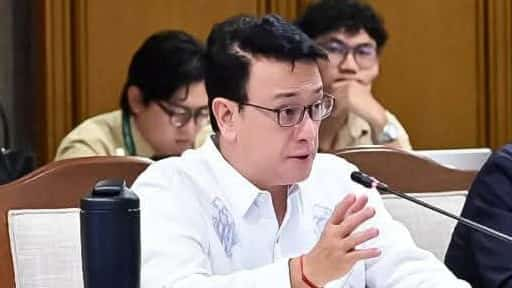
Marikina 2nd District Rep. Miro Quimbo said Thursday the House of Representatives (HoR) has no plans to tax coffee, insisting the proposal was dead.
“We have rejected it. It was dead on arrival at the HoR,” Quimbo said. “Leave coffee alone. There are already plenty of taxes burdening the public. Why include coffee?”
His remarks came a day after Distilled Spirits Association of the Philippines president Olivia Limpe-Aw revived the proposal during a House Committee on Ways and Means hearing on higher excise taxes for alcoholic beverages.
Limpe-Aw argued that consumer preferences were shifting, with younger people choosing coffee over alcohol, hurting liquor sales. She suggested taxing coffee instead of raising taxes on alcoholic drinks.
“Consumer behavior is changing. Like Gen Z, they don’t drink alcohol; what they want is coffee. That’s why we told Cong. Miro. ‘Cong. Miro, perhaps you’d prefer taxing coffee because that’s the bigger market, not alcohol,’” she said.
Quimbo rejected the suggestion during the hearing, joking that taxing coffee could leave more Filipinos restless.
Sin taxes
On Thursday, Quimbo said excise taxes were meant to discourage the consumption of products harmful to the health, such as alcohol, tobacco, and sugar-sweetened beverages. He said no studies had established similar health risks from coffee, with some even pointing to its potential benefits.
He also questioned how a coffee tax could be calculated given the variety of preparations and products.
“How do you even tax it? Based on caffeine content? Volume? It’s difficult,” he said.
Only a handful of countries impose coffee taxes, mostly in Europe. Germany, for instance, charges €2.19 per kilogram of roasted coffee and €4.78 per kilogram of instant coffee, while raw coffee is exempt.
In the Philippines, coffee was excluded from the sweetened beverage excise tax imposed under the 2018 Tax Reform for Acceleration and Inclusion law.