
Sabah-Mindanao undersea energy cable planned—Marcos
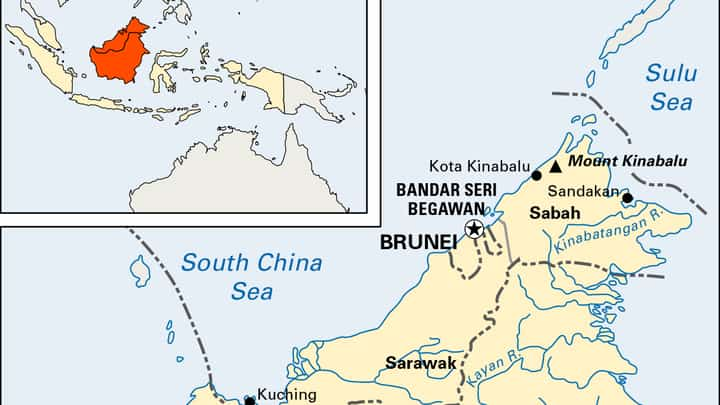
President Ferdinand Marcos Jr. has announced plans for an undersea electricity cable linking Sabah, Malaysia, and Mindanao as Southeast Asian countries move toward establishing a regional power grid to strengthen energy security.
Marcos said the proposed connection would mark a significant step in the ASEAN Power Grid initiative, which seeks to enable cross-border electricity trading and reduce the region's vulnerability to energy supply disruptions.
Speaking after the 49th ASEAN Summit on 17 November 2026, the President said several countries had already established arrangements for sharing electricity across borders.
“As a matter of fact, there are several countries that already have cross-border agreements on energy sharing. And I am also happy to report that the first undersea cable for sharing of energy is going to be laid between Malaysia, Sabah in particular, and the Philippines in Mindanao. And this is the first undersea cable as well. So that is – the beginnings that were on land are now extending into the sea,” Marcos said.
The proposed link would allow electricity to be exchanged between the Philippines and Malaysia, supporting efforts to diversify energy sources and improve supply reliability.
However, the Department of Energy has clarified that no formal agreement has yet been finalized for the Sabah-Mindanao cable project. The government has also not announced a construction timetable or project cost.
Marcos said progress on the broader regional power network was made possible by the enhanced Memorandum of Understanding on the ASEAN Power Grid.
“On the energy front, we advanced the ASEAN energy interconnectivity through operationalizing the enhanced Memorandum of Understanding on the ASEAN Power Grid, providing important institutional, planning and regulatory foundations to advance cross-border electrical connectivity.”
“Now those of you who have been following ASEAN know that we have been discussing this for a few years now. But we have made some serious progress,” Marcos said.
ASEAN announced on 15 November that all 11 member states had signed the enhanced agreement, establishing a stronger framework for developing power interconnections and facilitating cross-border electricity trade.
Strengthening energy security
Marcos also stressed the need to diversify energy sources and strengthen regional cooperation to protect economies against supply disruptions and sudden increases in global energy prices.
He said the conflict in the Middle East had accelerated discussions on preparing for future energy shocks, although regional efforts to improve energy security began before the conflict.
The President cited proposals involving Japan to strengthen energy stockpiles and coordinate emergency responses.
The Philippines and Japan also discussed closer cooperation on oil security, nuclear power and measures to address energy-related disruptions.
Meanwhile, ASEAN and its dialogue partners adopted the ASEAN Plus Three Leaders' Statement on Maritime Trade and Logistics Connectivity, emphasizing the need to strengthen energy and food security amid supply chain disruptions.
“At the APT Summit, we adopted the ASEAN Plus Three Leaders’ Statement on Maritime Trade and Logistics Connectivity on strengthening energy and food security resilience amid external shocks and supply chain disruptions,” Marcos said.
The President maintained that stronger regional cooperation would help ASEAN countries respond more effectively to future supply shortages and external economic shocks.