
Puno cites Marquez’s experience
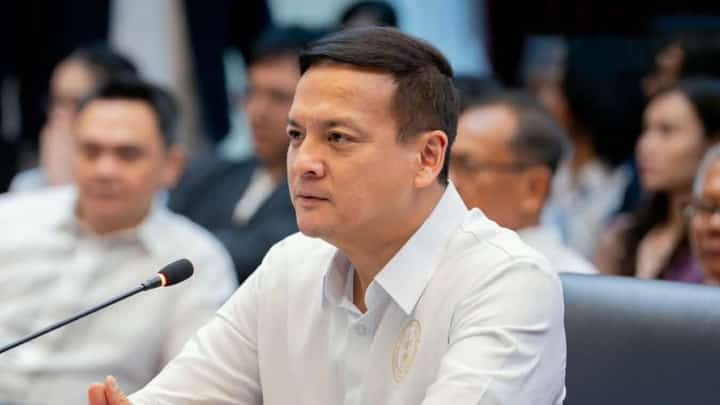
Retired Chief Justice Reynato Puno has cited Supreme Court Associate Justice Jose Midas Marquez’s extensive experience coordinating with the Executive and Legislative branches as a key qualification for becoming the country’s next chief justice.
Puno said the Judiciary needs a leader capable of working with the other branches of government to ensure the speedy delivery of justice.
In a letter dated 14 October, addressed to President Ferdinand Marcos Jr., Puno strongly recommended Marquez to succeed Chief Justice Alexander Gesmundo, citing his familiarity with the Supreme Court’s internal operations, administrative experience and ability to coordinate with other government institutions.
Puno said the country’s present problems require a whole-of-government approach, making it important for the next head of the Judiciary to be able to work beyond the Supreme Court’s formal structures and processes.
“Our problems today need the whole nation approach and we need officials like Justice Marquez who can work out the speedy delivery of justice to our people in seamless coordination with the Executive and Legislative branches of our government,” Puno said.
He recalled that during his 17 years at the Supreme Court, he had personally observed Marquez’s work ethic and professional competence, particularly when the latter served in several key administrative and communications positions.
When Puno became Chief Justice on 6 December, Marquez initially served as his chief of staff while concurrently holding the positions of assistant court administrator, chief of the Public Information Office and Supreme Court spokesperson.
Puno said Marquez performed these responsibilities with consistent excellence.
Marquez has served the Supreme Court for 30 years in various capacities, including approximately 12 years as court administrator and the last five years as an associate justice.
His lengthy administrative experience, Puno said, gives him an advantage in understanding how the Supreme Court operates, particularly its internal processes and the administrative requirements involved in running the Judiciary.
“More than any aspirant, Justice Marquez is most familiar with how the Supreme Court works, especially its internal processes,” Puno said.
He described Marquez as a judicial officer with “cerebral competence, compassionate heart and unquestionable dedication to public service.”
Puno also pointed to Marquez’s understanding of the Judiciary beyond its formal institutional structure, noting that he had been entrusted with important assignments requiring coordination with the Executive and Legislative departments.
Such experience, he said, would be important in addressing the challenges confronting the justice system and ensuring that the delivery of justice remains prompt and proper.
Puno expressed confidence that Marquez could lead the Judiciary to greater achievements, citing his standing among the Supreme Court’s justices, judges and court personnel.
“Given all his qualifications vis-à-vis the other aspirants, I am certain that Justice Marquez can lead the Judiciary to higher heights of achievements for he is beloved by all its components, the Justices, the Judges and the Court Personnel,” he said.