
DepEd eyes solar power for schools as extreme heat worsens

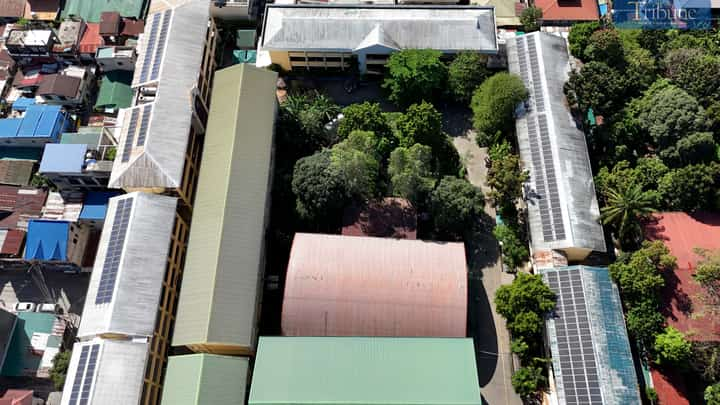
The Department of Education (DepEd) is looking at solar power for public schools as part of its long-term response to rising temperatures, while directing schools to improve classroom ventilation and ensure electric fans are working as extreme heat threatens learning.
Education Secretary Sonny Angara said the department expects hotter conditions and more severe weather disturbances in the coming years, making it necessary for schools to prepare for the effects of climate change.
“Although it takes time, it's quite expensive. Ito ang direksyon natin dahil siguro hindi nagbabago ang climate change natin and we will be seeing even hotter and more extreme weather disturbances,” Angara said Thursday.
The department has previously explored installing solar panels on school rooftops, with Angara identifying 2027 as a possible target for broader implementation. In April, he said DepEd had no dedicated budget for large-scale solarization in 2026 and would need to secure funding or identify available savings to proceed.
For now, the department is focusing on measures that schools can implement immediately, including improving ventilation and ensuring electric fans function properly.
Angara also said local government units may suspend classes when heat conditions become unbearable, emphasizing that the effects of heat vary from one location to another.
“Sometimes 42 is different in a tree-filled area. Pag may hangin, pero it's really the humidity,” he said, referring to how shade, airflow and humidity can affect conditions even when temperatures are similar.
Local officials have the authority to suspend classes based on conditions in their respective areas, he added.
DepEd is also relaxing uniform requirements for both learners and teachers to help them cope with hot weather, while allowing schools to use alternative learning arrangements when in-person classes are disrupted.
These may include printed modules, videos and online group chats, depending on the level of internet connectivity in a community, Angara said.
The measures come as the Philippines prepares for a potentially strong El Niño, which could bring higher temperatures and below-normal rainfall in the coming months, according to the Philippine Atmospheric, Geophysical and Astronomical Services Administration.