




JV pushes infra masterplan bill

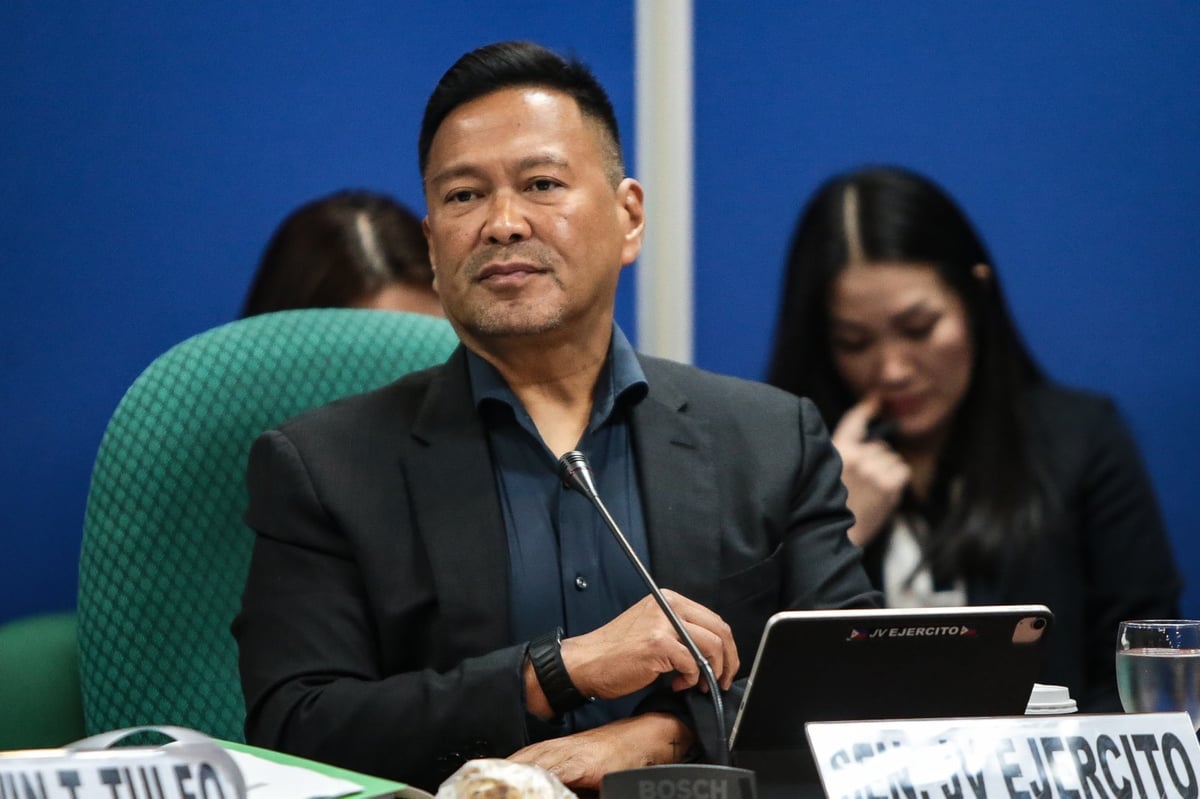
Senate Senior Deputy Majority Leader JV Ejercito is pushing to pass Senate Bill 2, or the Masterplan for Infrastructure and National Development (MIND) Act, which seeks to establish a long-term, unified infrastructure plan for the Philippines.
Ejercito, who has pushed for infrastructure development since the 19th Congress, said the country needs a masterplan that will keep infrastructure projects going even when the administration changes.
“The Philippines needs not only sustained infrastructure investment but also a truly integrated national infrastructure masterplan — one that transcends political administrations, connects our roads, railways, airports, seaports, energy, water and digital networks, and ensures that every project forms part of a long-term vision for national development,” Ejercito said in his privilege speech on 26 August.
He said the country can no longer afford to change direction every time a new administration takes over.
“Presidents may come and go, legacies may differ, and priorities may change, but the infrastructure that builds our nation must outlast any one administration,” he said.
Jobs, dev’t outside Metro
The senator from San Juan said the government must move away from short-term and disjointed infrastructure planning.
He said the MIND Act would help create jobs, attract investors and spread development across the country, not just in Metro Manila, Cebu and Davao.
Ejercito said the bill would ensure that infrastructure projects are planned as connected systems instead of standalone efforts. He gave an example: a port should be backed up by roads, railways, warehouses, cold storage, power and internet access. He added that flood control projects should follow river-basin planning, while housing projects should be linked to jobs, schools, hospitals and public transport.
A traditional dish called zongzi is served during China’s Dragon Boat Festival, which falls in June. It is a rice…
Divina credited the firm’s achievements to its members, thanking them for their ‘hard work, dedication, teamwork, and…
‘Sec. Vince Dizon, please explain how this finding of your own team should not be flagged as a ghost project in Taguig.’
