
Duterte denied opportunity to exercise rights under Rome Statute — Leonen
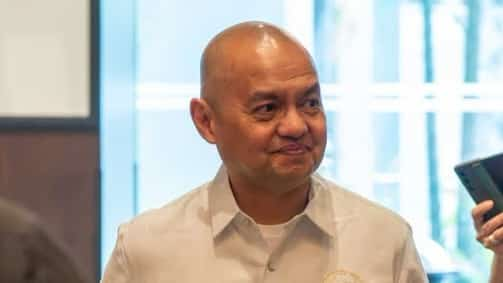
Supreme Court (SC) Senior Associate Justice Marvic Leonen said former President Rodrigo Duterte was not given the opportunity to exercise his rights under Article 59 of the Rome Statute following his arrest under an International Criminal Court (ICC) warrant.
In an updated press briefer sent to reporters, Leonen emphasized that Article 59 requires individuals arrested under an ICC warrant to be brought promptly before a competent judicial authority in the custodial state.
While Leonen concurred with the SC en banc's dismissal of the consolidated habeas corpus petitions filed by Duterte's children and agreed that there were no legal barriers to the former president's prosecution before the ICC, he disagreed with the majority's decision to leave constitutional questions surrounding Duterte's arrest and surrender unresolved.
Leonen warned that leaving these issues unaddressed could allow similar circumstances to recur and evade future judicial review.
He maintained that the High Court should have established clear guidelines for judges, lawyers and law enforcement agencies on the proper application of constitutional safeguards, Republic Act No. 9851, or the Philippine Act on Crimes Against International Humanitarian Law, Genocide, and Other Crimes Against Humanity, and the country's obligations under the Rome Statute.
The SC en banc previously dismissed the petitions as moot, explaining that the writ of habeas corpus is a domestic remedy enforceable only within Philippine territory.
The Court held that the writ could not compel the release of an individual detained outside the country's jurisdiction, such as Duterte, who is being held at the ICC detention center in The Hague, Netherlands.