
Marcos to East Asian nations: Overcome differences for regional stability amid rising geopolitical tensions
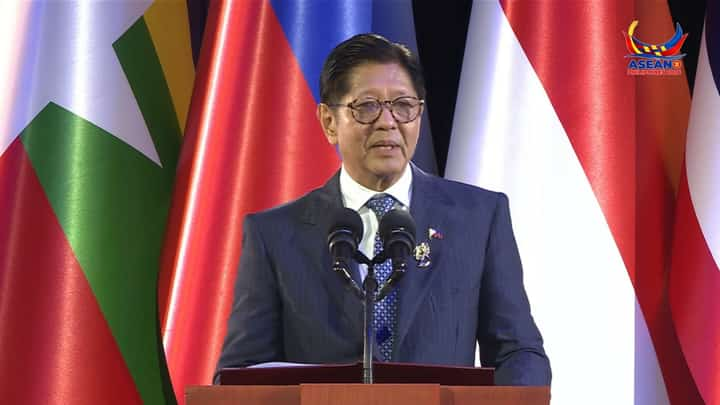
With geopolitical rivalries threatening regional stability and armed conflicts disrupting global energy, food, and broader supply chains, President Marcos Jr. urged East Asian countries to close ranks to preserve peace and prosperity in the region.
Marcos made the call at the 21st East Asia Summit, which he presided over as this year’s ASEAN chair before handing over the leadership to Singapore.
He cited growing strategic competition, supply chain disruptions linked to geopolitical conflicts and the threat of transnational crimes as challenges facing the region.
These emerging economic and security threats, he said, underscored the need for closer cooperation despite differences in national interests.
“The peace, prosperity, and well-being of our peoples are increasingly bound together. Regional stability strengthens our nations,” Marcos said in his opening remarks before the summit went behind closed doors.
“Cooperation across borders makes our peoples safer and our societies better prepared. What we strengthen together as a region strengthens each of our nations individually as well,” he added.
The East Asia Summit brings together 19 countries, including ASEAN members, the United States, China, Russia, Australia and Japan. Established in 2005 with 16 participating countries, it provides a forum for regional leaders to discuss strategic, political and economic issues.
Although Marcos did not name specific countries or conflicts, several summit members are involved in territorial disputes that fuel regional tensions, particularly in the South China Sea.
The Philippines, Vietnam, Malaysia and Brunei have overlapping maritime claims in the waters, where negotiations between ASEAN and China on a long-awaited Code of Conduct have stalled.
The agreement was expected to be completed in November, during the Philippines’ ASEAN chairmanship. However, negotiations remained unfinished after the two sides reached agreement on only 80 percent of the provisional text.
The proposed code aims to establish rules for managing maritime disputes, preventing armed clashes and maintaining peace and stability in the contested waters.
“We must continue to work together not despite the challenges before us, but precisely because they give us the opportunity to build a more peaceful, prosperous and secure future for our peoples,” Marcos said.
The summit capped the Philippines’ year as ASEAN chair, with Singapore expected to continue negotiations on the maritime code when it assumes the leadership.
Marcos also called on East Asian leaders to reinforce ASEAN centrality, expand practical cooperation and uphold international law amid regional uncertainty.
He said cooperation should cover peace and security, maritime affairs, trade and connectivity, energy, climate resilience, health, education and human development, in line with the ASEAN 2045 vision and the ASEAN Outlook on the Indo-Pacific.