
Two new rat species discovered in Mindoro
Scientists confirm two endemic species from specimens collected in 2013
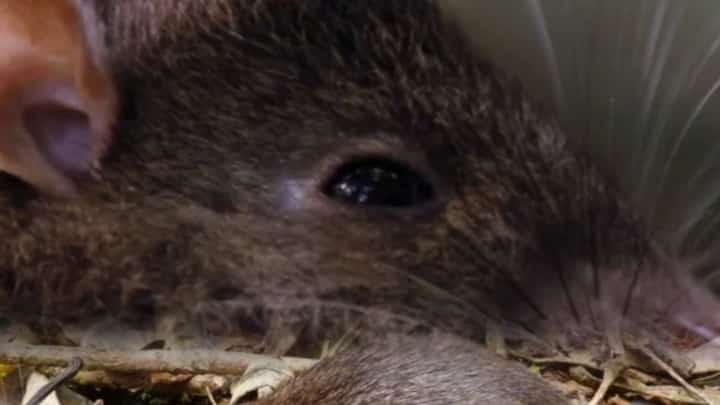
Two newly identified forest rat species, Crunomys halcon and Crunomys masulong, were documented on Mount Halcon and Mount Masulong in Mindoro. Specimens collected in 2013 led to their formal recognition as distinct species in 2026, highlighting the island's unique biodiversity.
UP DILIMAN INSTITUTE OF BIOLOGY
Scientists have formally identified two new species of forest rats in Mindoro, based on specimens collected during field surveys in 2013, providing fresh evidence that mammalian species can evolve independently even on relatively small islands.
The newly identified species, Crunomys halcon and Crunomys masulong, were documented on Mount Halcon and Mount Masulong, respectively, in Mindoro, Philippines.
Although the specimens were collected in 2013, the two species were formally recognized in 2026 following scientific examination and genetic analysis.
The research involved scientists from the University of the Philippines Diliman, the Field Museum of Natural History in Chicago, Louisiana State University, and the Natural History Museum of Utah.
Researchers examined 40 specimens collected from two mountainous areas separated by Mindoro's lowlands.
Through genetic sequencing and comparisons of physical characteristics, including skull structure, teeth, fur coloration, and tail length, the team established that the two populations represent distinct species.
The study found that the lineage leading to the Mindoro rodents diverged from relatives in mainland Southeast Asia approximately 5.7 million years ago, while the two species separated from each other around 1.3 million years ago.
The findings challenge a long-standing hypothesis suggesting that islands must cover at least 100,000 square kilometers to support the evolution of new mammalian species.
Mindoro, which covers approximately 9,735 square kilometers, is considerably smaller than the previously proposed threshold.
According to the researchers, the island's mountainous terrain and geographical isolation provided conditions that allowed separate populations to evolve independently over many generations.
The discovery follows earlier research identifying three previously unknown Apomys forest mouse species on Mindoro, providing further evidence of evolutionary diversification within the island.
Scientists emphasized the importance of continued field research and forest conservation, noting that the Philippines may harbor additional mammal species that remain undocumented.
The findings reinforce Mindoro's significance as a center of biodiversity and highlight the need to protect isolated mountain habitats where endemic wildlife continues to thrive.