
Tamaraw population in Mindoro increases, according to DENR

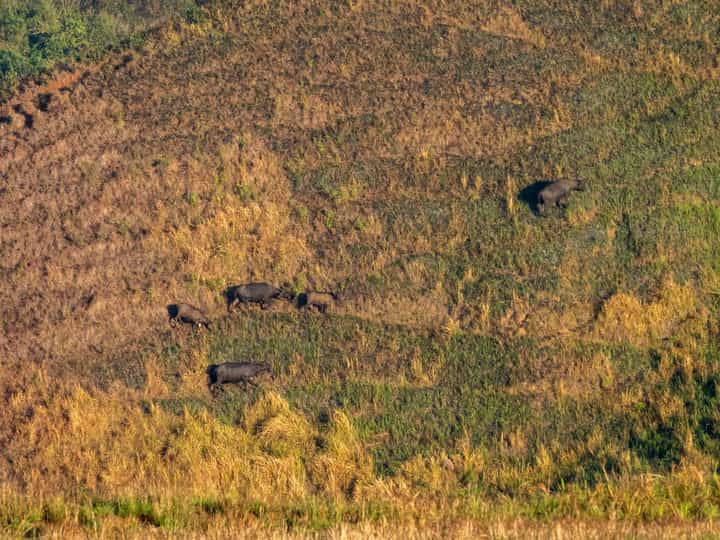
The Department of Environment and Natural Resources (DENR) - MIMAROPA has confirmed a positive trend in the tamaraw population in the province of Mindoro.
Through the Tamaraw Conservation Program Office (TCPO), which conducted the count from 15 to 20 April in the designated Core Zone of Mounts Iglit-Baco Natural Park (MIBNP) for the 2026 Annual Tamaraw Population Count, the number of tamaraws residing in the area has reached 425. This reflects an approximate 12 percent increase from the 380 recorded last year.
Furthermore, there are additional confirmed tamaraw populations within the Siburan–Aruyan–Dangari–Iyason–Kinarawan (SADIK) Critical Habitat and the Upper Amnay Watershed.
According to the agency, the data collection was conducted simultaneously across multiple vantage points over a five-day period. This was made possible through the joint efforts of trained observers from the DENR, the MIBNP Protected Area Management Office, local government units, partner agencies, academic institutions, non-government organizations, and Indigenous Peoples.
The tamaraw is a small but strong type of buffalo found only in the Philippines, specifically on the island of Mindoro. It is known for its short, V-shaped horns and its elusive nature around humans.
It is considered endangered, which is why it is strictly protected by law.
The DENR emphasized that as the government’s flagship species-specific program, the Tamaraw Conservation Program continues to enhance habitat protection, ranger-based enforcement, scientific monitoring, research, and partnerships with various sectors to secure the species’ future in the wild.