
Region 1 identifies priority actions to address SDG gaps
Region 1 is identifying priority interventions to address development gaps and accelerate progress toward the United Nations Sustainable Development Goals (SDGs), with only four years remaining before the 2030 deadline.
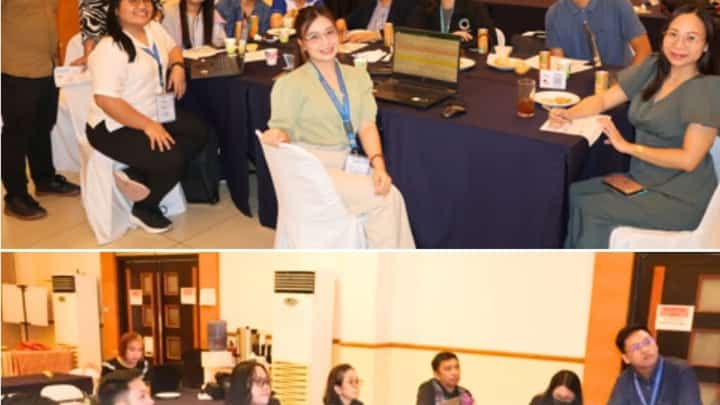
The Department of Economy, Planning, and Development Regional Office 1 (DEPDev RO1) convened the Region 1 SDG Catch-Up Plan 2026–2030 Regional Updating Workshop on 29 October 2026 at Hotel Ariana & Restaurant to assess areas where progress has lagged and identify measures to improve implementation.
Data presented by the Philippine Statistics Authority Regional Statistical Services Office 1 showed that of the 54 SDG indicators assessed in the region, only 21 are on track, while 18 require accelerated action and 15 are regressing.
During the workshop, DEPDev RO1 presented the implementation status of the 2024 Region 1 SDG Catch-Up Plan, identifying programs, activities and projects that need to be sustained, strengthened or accelerated to address continuing development challenges.
Representatives from national government agencies, state universities and colleges, local government units and the private sector were divided into three sectoral groups to identify implementation gaps, proposed interventions and areas requiring regional or national government support through 2030.
Among the priorities identified were classroom construction, skills training and integrated livelihood programs, which are intended to improve access to education, strengthen workforce capabilities and expand economic opportunities.
A panel composed of Department of Education Regional Office 1 representative Stephanie T. Montemayor, private sector representative Mary Jane C. Ortega and Nutridense Food Manufacturing Corp. president Racky D. Doctor reviewed the proposed interventions to ensure their alignment with the Philippine and Regional Development Plans.
Doctor also shared sustainable business practices and nutrition initiatives, underscoring the role of private enterprises in supporting the achievement of the SDGs.
The workshop outputs will serve as the basis for updating the Region 1 SDG Catch-Up Plan 2026–2030. The revised plan will undergo review and endorsement by the appropriate Regional Development Council (RDC) Sectoral Committees before its submission to the RDC Full Council for approval.
DEPDev Regional Director Stephanie F. Christiansen stressed the importance of translating the identified priorities into concrete and funded interventions.
She called for the integration of priority initiatives into the 2028 budget proposals, resource mobilization and the inclusion of key projects in the electronic Regional Project Monitoring and Evaluation System (eRPMES) to strengthen implementation and accountability.
The regional government is expected to measure progress through tangible development outcomes, including reduced poverty, improved access to quality education and healthcare, increased employment opportunities and stronger community resilience against economic and environmental challenges.
The initiative seeks to build a more Resilient, All-inclusive, Competitive and Healthy (REACH) Region 1 as the region works toward meeting its 2030 sustainable development targets.