
Mama Lou's Italian kitchen: A family space in Camp John Hay
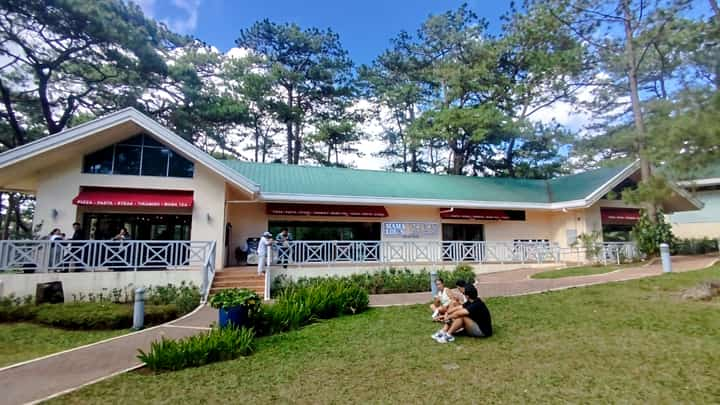
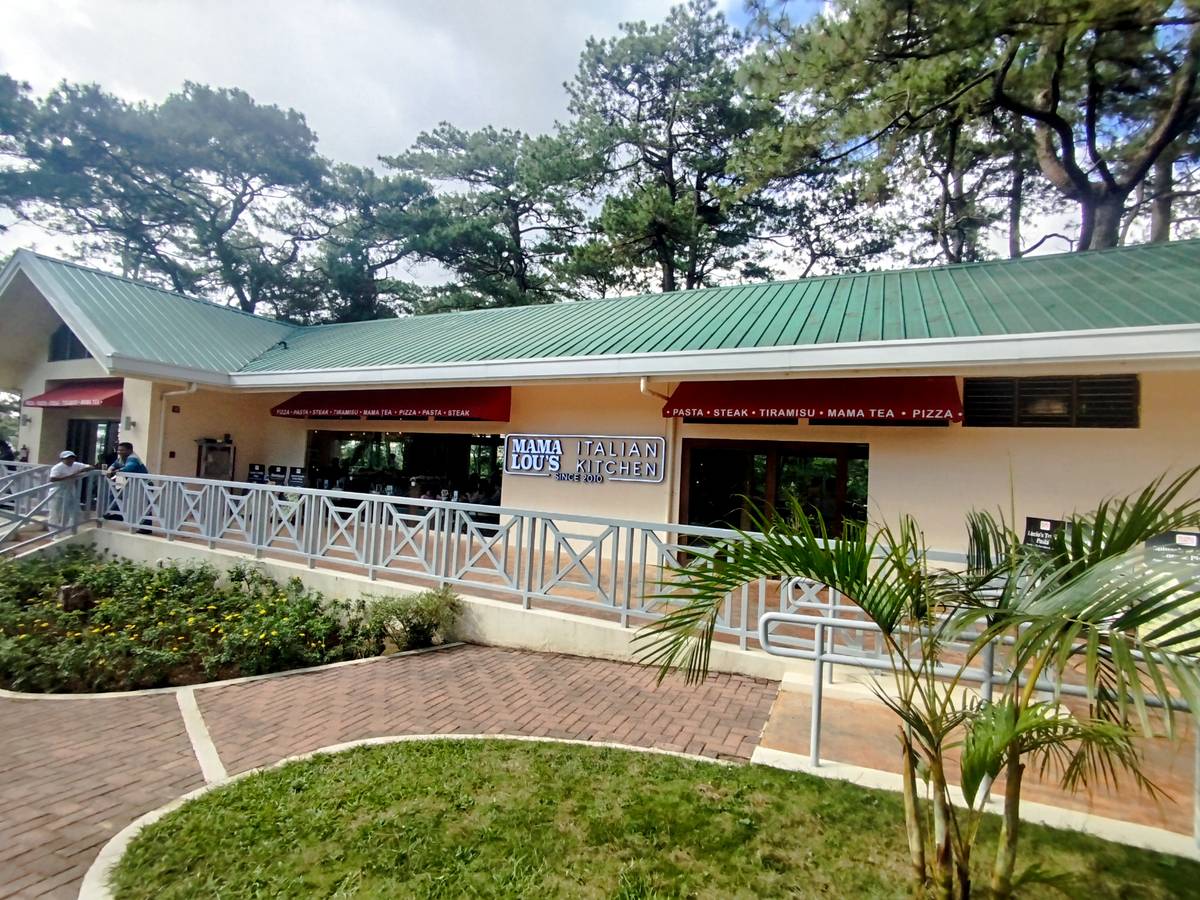
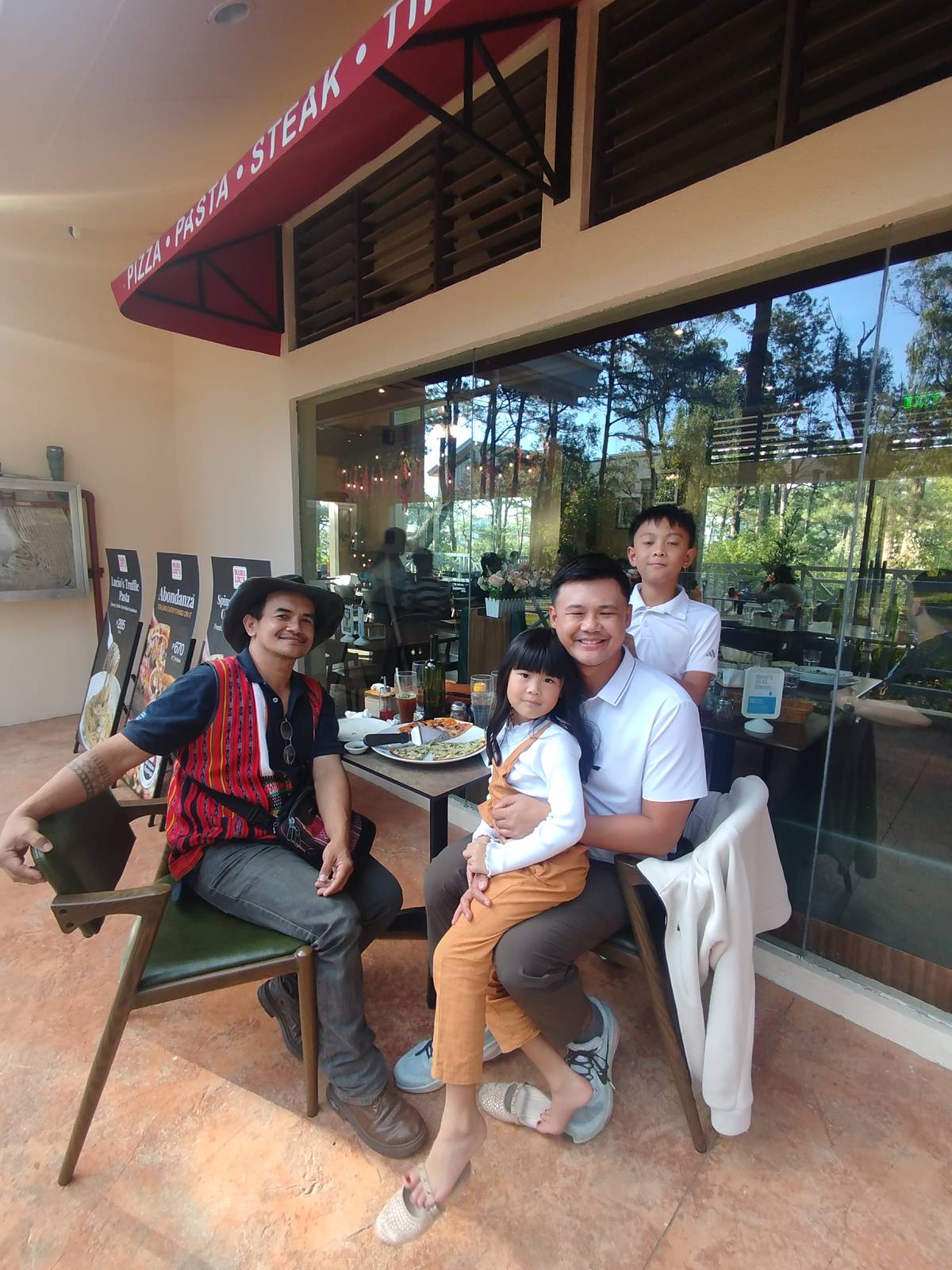
A family treat. Designed for unhurried family meals, the dining space at Mama Lou's Camp John Hay combines warm interiors with the cool mountain atmosphere of Baguio City. The restaurant's owner together with his daughter Mia and Son Lucio show Daily Tribune the atmosphere of family dining. Photos by Aldwin Quitasol.
For the owner of Mama Lou's Italian Kitchen, opening a branch in Camp John Hay is the result of years of persistence and personal history. During the 2022 pandemic, when travel restrictions kept families close to home, Baguio became a frequent retreat for his family. His father, who was ill at the time and passed away three years ago, preferred the cool, quiet, and unpolluted environment of the city over the beach.
Whenever the family stayed in John Hay, the owner looked at the retail space that used to house a store selling branded shoes and prayed with his wife, Crystal, that the space would become available for their restaurant. They sent repeated letters to Ayala until last year, when they were finally offered the spot. Setting up in Baguio is a way to honor his father's memory, which ties into his own roots in the city—his parents spent their honeymoon in Baguio in January 1985.
Opening its doors at the Retail C Building of the Baguio-AyalaLand Technohub in Camp John Hay, Mama Lou's marks its expansion into northern Luzon with its signature Italian comfort food. Built as a casual gathering space for both residents and visitors, the branch turns a long-time family goal into a permanent dining spot in the city. The restaurant offers a relaxed setting where guests can share freshly cooked meals and spend time together.
Behind the Brand
Behind this expansion is David Sison, the president and chief executive officer (CEO) of Mama Lou's Group Holdings. Together with his wife, Crystal, he transformed what began as a modest family restaurant in BF Homes, Parañaque, into a growing multi-concept hospitality company. With a background in business and marketing, Sison took charge of scaling the brand's operations, building its corporate structure, and guiding its expansion across Metro Manila and key provincial destinations while preserving the home-cooked recipes started by his mother-in-law, Lou.
Recipes Build Restaurants, Systems Build Companies
Mama Lou's began 16 years ago with his in-laws, whose background in running a European restaurant laid the groundwork for simple, family-oriented Italian dishes. While pizza and pasta—such as their truffle pasta, seafood olio, and thin-crust spinach pizza—remain popular across the Philippines, Sison emphasizes that good taste alone is not enough to sustain a growing business. He operates on the principle that recipes build restaurants, while systems build companies. Rather than using a centralized commissary, sauces are cooked fresh in-house for hours, iced tea is brewed with fresh basil, and tomatoes are sourced from both local farmers and Italy. To keep the flavor identical across every branch, a team of industrial engineers designs strict kitchen protocols that are passed down to their learning and development department to train staff on a single standard.
Supporting the highland agricultural community is also part of their daily operations, as the restaurant sources its fresh vegetable supplies directly from Benguet farmers through local cooperatives. Produce such as arugula, tomatoes, and other highland greens are delivered straight from these farming groups, ensuring crisp ingredients for their pizzas, pastas, and salads while helping sustain local growers.
Slowing Down in the City of Pines
Sison views Baguio's unhurried pace as a natural match for Italian dining culture. Coming from the constant rush of Manila, he observes that residents in Baguio appear more relaxed, a lifestyle he associates with longevity and well-being. He compares this to daily life in Italy, where meals, coffee, and long conversations with family and neighbors are central to the community. For him, Mama Lou's is built around that same habit of sitting down and spending unhurried time with loved ones, particularly children, who are among the biggest fans of the restaurant's pasta dishes.
Navigating Logistics and Local Growth
Operating a restaurant in the mountains comes with practical hurdles, including high transport costs for ingredients, rising prices on imported goods, and managing staff recruitment and lean tourist seasons. Despite these challenges, he welcomes the presence of other Italian and local restaurants in the city. He compares the local dining scene to fast-food rivals or competing soda machines placed side by side: competition educates the market and grows overall customer interest rather than shrinking it. Looking ahead, the team is studying other parts of Baguio, such as Session Road and SM, hoping to open more spaces where families and visitors can build their own memories over a shared meal.