
Protein and your kidneys
Protein can come from animal sources – like beef, pork, poultry, eggs, fish, shellfish and dairy products – and plant sources, including beans, legumes and…
· 3 MIN READ


Protein can come from animal sources – like beef, pork, poultry, eggs, fish, shellfish and dairy products – and plant sources, including beans, legumes and…
· 3 MIN READ
Magnesium is an important mineral in the body, helping with muscle, nerve and heart function, and in the production of energy.
· 3 MIN READ
Phosphorus is naturally present in many foods, and a phosphorus deficiency is rare if you have a balanced diet with no need to take supplements.
· 3 MIN READ
Educating others about the dangers of getting infected with leptospirosis and the measures that can be taken to prevent and treat this infection can greatly…
· 3 MIN READ

The symptoms of a stroke can happen when you least expect it, without any warning. You could have sudden trouble speaking or walking, one-sided weakness, or…
· 4 MIN READ
When there is an excess of sodium in the body, this can cause an imbalance in body fluids. Too much sodium attracts water, and this increase of blood volume in…
· 3 MIN READ
Also known as renal calculi, these are small, hard mineral deposits made up of crystals that typically form in the kidneys. It is estimated that one in ten…
· 4 MIN READ

In general, healthy potassium levels can be maintained with a balanced diet and eating the recommended number of servings for fruits and vegetables
· 3 MIN READ
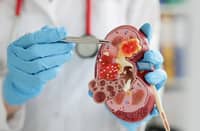
An excess of protein in urine, termed proteinuria, indicates kidney damage. A positive dipstick test should be confirmed with a quantitative measurement like…
· 2 MIN READ
What patients should appreciate is that dialysis is a lifesaving treatment for people with kidney failure. Many people on dialysis continue to live active and…
· 3 MIN READ