




Understanding sodium
When there is an excess of sodium in the body, this can cause an imbalance in body fluids. Too much sodium attracts water, and this increase of blood volume in the body can lead to an increase in blood pressure.


Text size
When there is an excess of sodium in the body, this can cause an imbalance in body fluids. Too much sodium attracts water, and this increase of blood volume in the body can lead to an increase in blood pressure.
CHIPS are high in sodium.
photograph courtesy of mustafa-bashari/unsplash/
USE salt substitues including citrus flavorings, herbs and spices.
photograph courtesy of sarapulsar38/unsplash
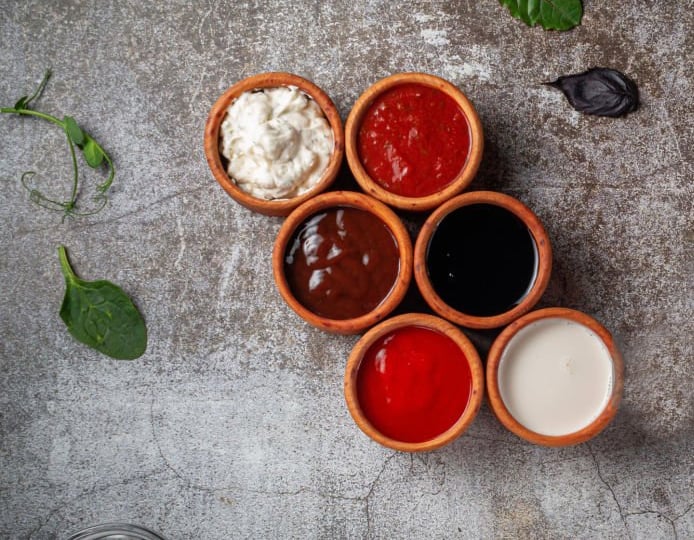
LIMIT the use of sauces.
photograph courtesy of alelsndr g./unsplash
Salt, in the form of sodium chloride, is a necessary mineral in the body. It is also known as an electrolyte, and it helps with the proper functioning of the body and the control of body fluids and blood pressure.
When there is an excess of sodium in the body this can cause an imbalance in body fluids. Too much sodium attracts water, and this increase of blood volume in the body can lead to an increase in blood pressure. This, in turn, makes the heart work harder to pump against the higher force of blood flow in the body. The kidneys also have to work harder to get rid of the excess fluid. In the long term, high sodium levels can cause damage to the heart, kidneys, eyes, brain and bones.
Signs and symptoms of taking too much sodium include fatigue, headache, elevated blood pressure, feeling excessively thirsty, bloating, swelling of the hands and feet and insomnia.
It is recommended to consume about 1,500 mg of sodium per day, and to not exceed 2,300 mg a day — which is the amount of sodium in one teaspoon of fine iodized salt. There is a minimal difference in the amount of sodium per teaspoon of other forms (sea salt, Himalayan pink salt, black salt) and preparations (coarse vs. fine). These different salts are chosen more for flavor than sodium content.
Most natural and unprocessed foods are low in sodium and these include vegetables, fruits, whole grains, nuts, fresh meats and dairy foods. Even salt added to cooking or while eating at the table does not contribute much, about 150 to 300 mg of salt. Most of the salt in our diets comes from processed and commercially prepared foods.
The top sources of sodium come from fast foods like pizza, sandwiches and burgers, cheese, cold cuts and cured meats, crackers, canned soups and meats, and savory snacks like chips, pretzels and popcorn. Some foods high in sodium may not even taste salty, such breakfast cereals and bread.
Housing is probably the biggest issue affecting people the world over.
Malacañang on Monday called for a more thorough investigation into the questioned flood control projects in Taguig…
The defense on Monday backed the move by senator-judges to exclude a prosecution witness who testified on the firearms…
So how can you cut down on your sodium intake?
1. Remember that you still need sodium for your body to function properly and that you don’t have to completely eliminate sodium from your diet. You can still enjoy sodium-rich foods but in smaller amounts.
2. You can also use salt substitutes, including citrus flavorings, herbs and spices.
3. Preparing your own meals can help cut down on sodium content. Restaurant and fast food meals tend to contain more sodium.
4. If eating out, ask for low sodium or reduced sodium options.
5. Limit the use of sauces, mixes, and instant products, such as cup noodles.
6. Rinse canned food if possible and throw away the brine in the can.
7. Read nutrition labels and pay attention to the amount of sodium present per serving.
8. Be careful with foods labeled as “low sodium” as they can still contain a fair amount of salt.
9. Be wary as well of sodium-free substitutes which do not contain sodium but are made of potassium chloride or potassium salt. This can taste bitter when heated, so it is not recommended for use in cooking. Potassium salts might not be safe for patients with kidney problems or taking certain blood pressure medications. Check with your doctor first to see if sodium-free substitutes are right for you.
10.Combat salt cravings by consistently cutting down on your sodium intake. It can take about 6-8 weeks for you to get used to it, but once you are used to less sodium, you may find it difficult to eat more than a few potato chips because they taste too salty.
You do not have to completely eliminate salt from your diet to be healthy. Use salt sparingly while cooking and opt to eat more natural and whole foods over highly-processed, commercial and fast foods.
