
Sulu power coop gets 24 years to clear P4.15-B debt
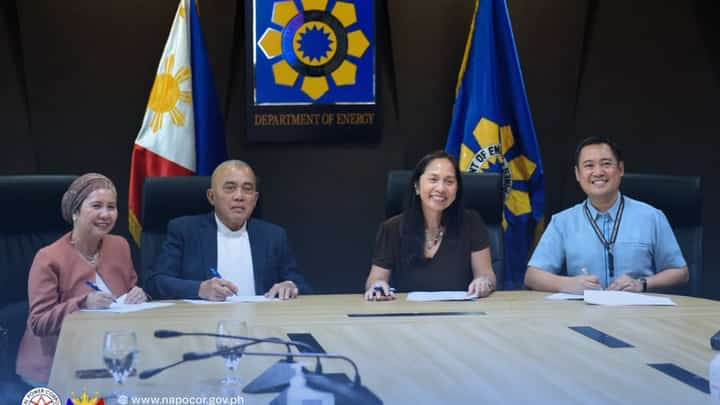
Debt-ridden electric cooperatives may have a new way to settle billions in unpaid power bills after the government allowed Sulu Electric Cooperative Inc. (SULECO) to repay its P4.15-billion debt over 24 years without interest.
The agreement with the National Power Corp. (NAPOCOR) could serve as a model for other struggling power distributors, easing their financial burden while helping sustain electricity services critical to businesses and local economies.
Under the deal, SULECO will settle its debt through 288 monthly installments while continuing to pay its current electricity bills on time.
The cooperative must also provide security equivalent to 12 months of payments through a real estate mortgage, bank guarantee or surety bond.
“As security for both agencies and to ensure the successful implementation of the agreement, SULECO shall provide a real estate mortgage over its assets, a bank guarantee issued by a universal or commercial bank, or a surety bond issued by an insurance company,” NAPOCOR Senior Department Manager for Finance Lorlina Bomediano said on Monday.
NAPOCOR President and Chief Executive Officer Jericho Jonas Nograles said the deal shows that longstanding power debts can be addressed through better financial management without requiring new legislation.
“Napocor cannot emphasize enough how truly grateful we are for the leadership of SULECO on the reforms that we have done. We’d like to take this moment to recognize that they would not sign a restructuring agreement if they could not afford it. For that you have earned our utmost respect and support,” Nograles said.
SULECO secured the agreement after achieving a 100 percent payment rate on current power bills and cutting system losses from 25 percent in 2018 to eight percent in 2025.
NAPOCOR hopes other indebted cooperatives will follow suit.
“We hope that others follow suit since this restructuring agreement not only strengthens our partnership with SULECO but also ensures the sustainability of operations of both institutions. After all, sustaining electricity services and driving progress in the islands requires every stakeholder to uphold its responsibilities and work collectively toward a common goal,” Nograles said.