
Baguio transport groups warn jeepney modernization favors corporations
BAGUIO CITY — Transport groups in Baguio City have sought the local government's intervention against a proposed public transportation modernization program, warning that the initiative could benefit corporations at the expense of traditional jeepney drivers, small operators and commuters.
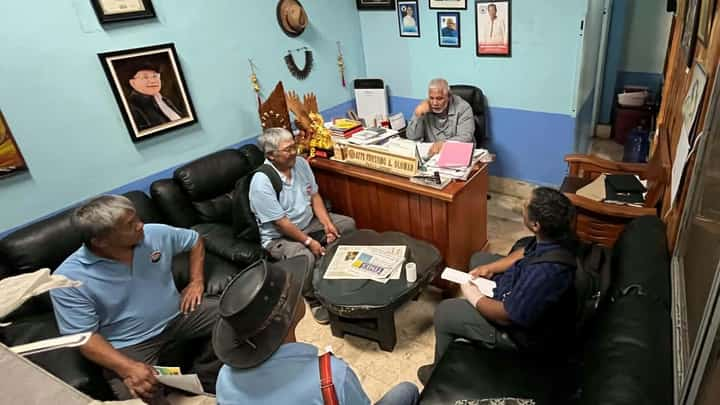
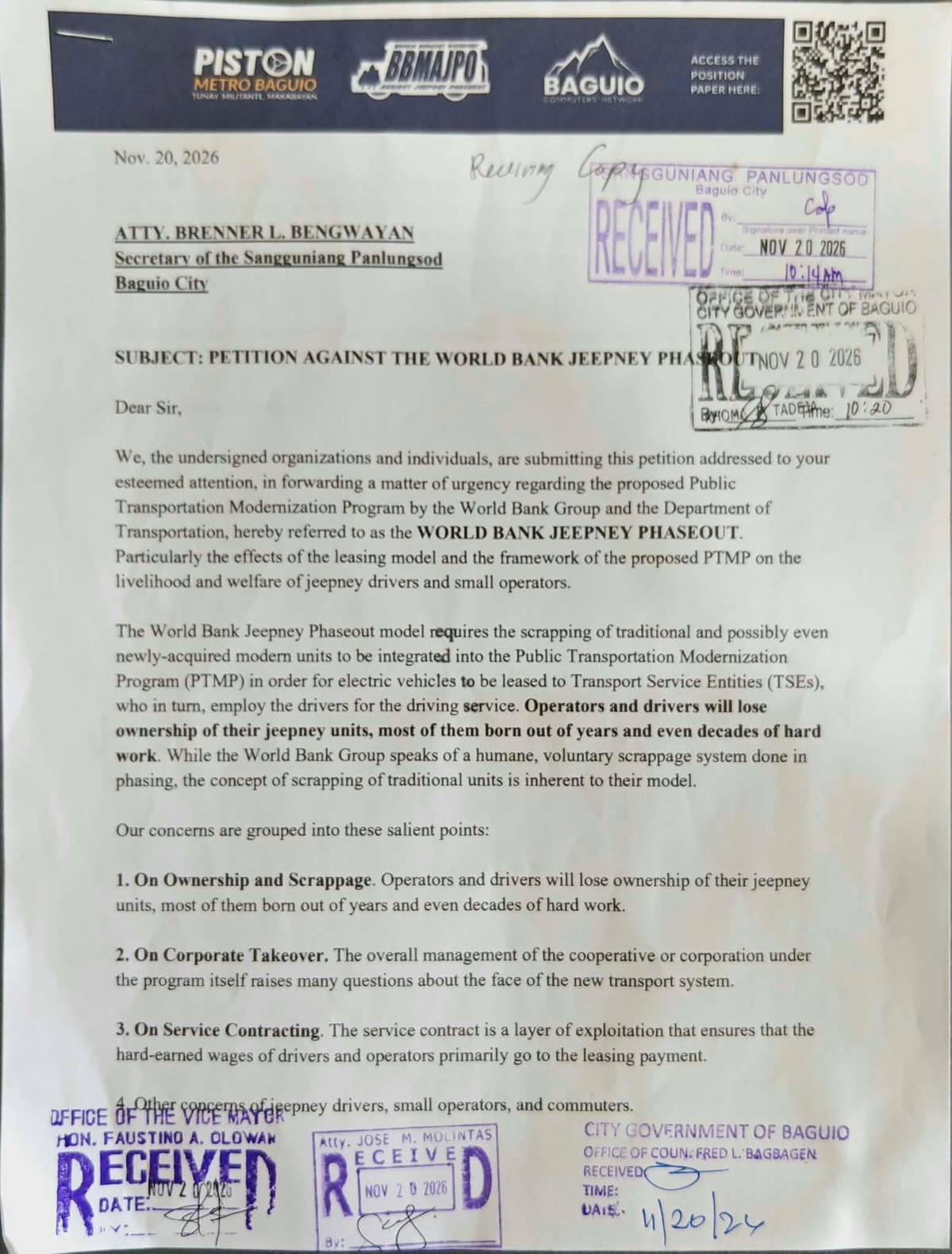
Representatives of PISTON Metro Baguio and the Baguio-Benguet Movement Against Jeepney Phaseout submitted a joint position paper to Vice Mayor Faustino Olowan on Friday, 20 November 2026, opposing the proposed Area-Focused Urban Transport Modernization program.
The initiative involves the World Bank Group, the Department of Transportation (DOTr) and the Baguio City Council.
The groups argued that the proposed framework favors corporate profits over workers' livelihoods, despite assurances from Mayor Benjamin Magalong and the World Bank that the project remains in its early consultation stages.
Among their primary concerns is the proposed replacement of traditional jeepneys with electric vehicles under a corporate leasing arrangement.
According to the position paper, Baguio's existing fleet of 1,886 jeepneys would be reduced to 750 electric units owned by leasing companies and rented to transport service entities.
The groups warned that the arrangement would deprive small operators of vehicles they had acquired through years of work while subjecting drivers to strict performance targets, GPS monitoring and eight-hour continuous shifts.
They also questioned the proposed automated fare collection system, under which passenger payments would be processed electronically through a fiduciary entity.
The groups claimed that leasing companies would receive payments before transport cooperatives and drivers, potentially leaving workers with minimum wages, additional monthly fees and depreciation charges.
Route rationalization also drew opposition, particularly the proposal to consolidate 49 existing routes into eight major lines.
The alliances disputed the World Bank's assessment of a jeepney oversupply, citing long passenger queues during rush hours across Baguio's 129 barangays.
They warned that reducing the number of vehicles could worsen transportation shortages and inconvenience commuters.
The groups also alleged that the proposed route changes were developed without sufficient consultation with barangays, transport associations and passengers.
They expressed concern that a corporate-controlled transport system could lead to higher fares and reduced service quality as operators prioritize profitability over affordable transportation.
The alliances further argued that the modernization program would fail to address the underlying causes of Baguio's traffic congestion, which they attributed partly to the city exceeding its carrying capacity.
Instead of replacing traditional jeepneys, the groups proposed rehabilitating existing units to comply with safety and emissions standards.
They urged the government to redirect modernization funds and subsidies toward local automotive shops, vehicle fabricators and parts manufacturers to support upgrades without imposing substantial debt on drivers and operators.
The groups also called for meaningful public consultations and community-led studies involving drivers, operators and commuters before any agreements are finalized.
They maintained that transportation modernization should prioritize public welfare, environmental sustainability and workers' livelihoods rather than corporate interests.