
DICT flags AI cyber risks to ASEAN summit
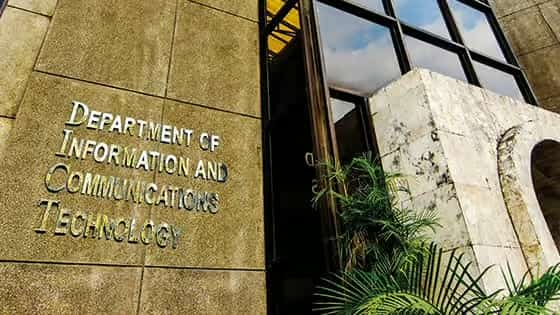
The Department of Information and Communications Technology (DICT) is pushing for tighter cybersecurity defenses across ASEAN summit venues as artificial intelligence (AI)-powered cyber threats raise the risk of attacks on critical communications networks and sensitive data.
DICT Secretary Robert Joseph Montes de Claro warned Saturday that cyber threats are becoming increasingly sophisticated, with automated systems and AI technologies posing greater risks to interconnected networks serving thousands of summit delegates and journalists.
“So we don’t want the situation where this will be the point of breach, considering that many people will be accessing the internet through this site,” de Claro said.
He said recent Microsoft outages and disruptions affecting US airspace prompted the government to reassess existing cybersecurity measures and strengthen network protection ahead of the regional gathering.
“So we’re introducing additional, I would say, cyber tests to ensure that the delegates and the media will be secure during the ASEAN Summit,” he said.
De Claro stressed that protecting the International Media Center at the World Trade Center in Pasay City was particularly critical because its network is interconnected with other summit venues.
The tighter safeguards, however, have slowed wireless internet connectivity at the media center, frustrating local and foreign journalists covering the summit.
De Claro clarified that the problem was insufficient internet capacity but rather the additional security checks that network traffic must pass through.
“We’re working around the clock to provide more access points because the challenge is not the internet speed coming to the World Trade Center,” he said.
He said the facility has an estimated 600 to 700 megabytes of internet speed, but additional security layers were necessary to minimize vulnerabilities and prevent potential breaches.
Meanwhile, a Presidential Communications Office (PCO) official clarified that authorities had not identified any specific cybersecurity threat against the summit.
“There’s no one specific threat, but it’s really a heightened alert and focus on making sure that we do a proper assessment and evaluation,” the official said.
The official said wired internet connections were functioning properly, while authorities were working to improve wireless access without compromising network security.
“Our problem now is the Wi-Fi, the wireless, and that’s where we’re making sure that additional security layers are put in place, but also that you have access to free, fast Wi-Fi,” the official said.
The government expects to improve wireless connectivity by installing additional access points as the DICT continues its cybersecurity assessments.