
‘Pag-Uwi’ brings Bishop Cesar Maria Guerrero’s legacy home
‘Bishop Guerrero is not only from 1885 to 1961. Bishop Guerrero is a gift from God for a long time.’ — Archbishop Socrates Villegas
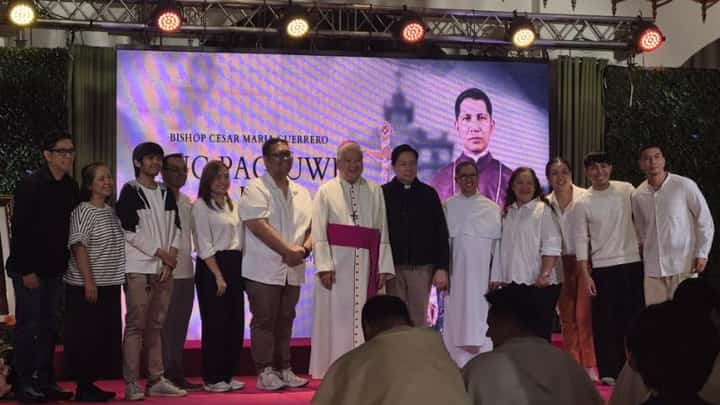
Who or what do you come home to?
It is a question that invites people to pause and reflect on their lives, choices, and the things that give them a sense of purpose. It is also the central thought behind Pag-Uwi, a short film that revisits the life and legacy of Bishop Cesar Maria Guerrero through contemporary storytelling.
Produced by the Archdiocese of Lingayen-Dagupan and co-produced by the University of Santo Tomas (UST) and DivinaLaw, the film draws inspiration from the bishop’s journey of faith, struggles, and devotion to his vocation. Rather than simply recounting historical events, it uses a modern narrative to encourage audiences to reflect on their own journeys and what it means to find their way home.
The story follows two characters, Atty. Cesar and Father Mario, as they contemplate their lives and the decisions that have led them to where they are. Through their experiences, the film explores how returning home can offer a renewed perspective, allowing people to rediscover what truly matters.
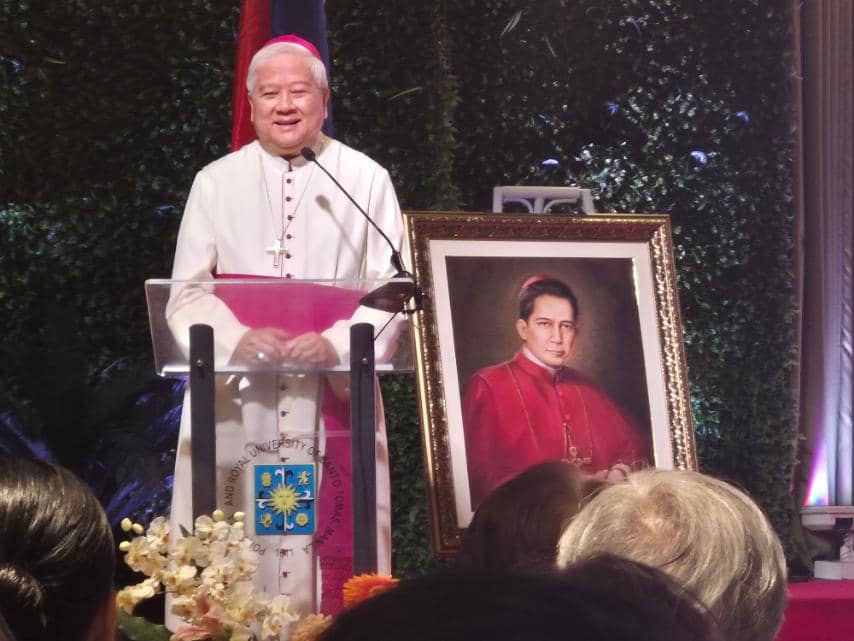
ARCHBISHOP Socrates Villegas of Lingayen-Dagupan discusses the deeper message of ‘Pag-Uwi,’ highlighting the theme of coming home and its connection to Bishop Guerrero’s life and vocation.
But to understand the heart of Pag-Uwi, one must first understand the man whose life inspired it.
As explained by professor Melanie Turingan-Marcos, PhD, dean of UST’s Faculty of Arts and Letters, Bishop Guerrero lived a life marked by simplicity and dedication to God, choosing religious service over the comforts and opportunities that came with his prominent family background.
Born on 26 January 1885 in Ermita, Manila, Cesar Maria Guerrero was the eldest son of Leon Maria Guerrero, a distinguished Thomasian, pharmacist, and public servant who was part of the Malolos Congress and served under the administration of Emilio Aguinaldo.
Despite coming from an influential family, Guerrero felt called to a different path. His decision to enter the priesthood was initially met with opposition from his father, but he remained steadfast in pursuing his vocation.
Before becoming a priest, Guerrero studied law at the University of Santo Tomas. He later continued his religious and academic formation in Rome at the Pontifical Gregorian University, where he became the first Filipino graduate of the institution, earning doctorates in theology and canon law. He was ordained a priest in Rome on 28 October 1914.
Upon returning to the Philippines, he served as assistant parish priest in Binondo and later as chaplain of Hospicio de San Jose.
His dedication to the Church eventually led him to become the first bishop of Lingayen in 1929, a position he held until 1937. He later served as auxiliary bishop of Manila, where he organized the Catholic Action of the Philippines in 1939 and became its first director.
In 1949, he became the first bishop of San Fernando, Pampanga, where he continued strengthening the Church and encouraging a deeper sense of responsibility among the faithful.
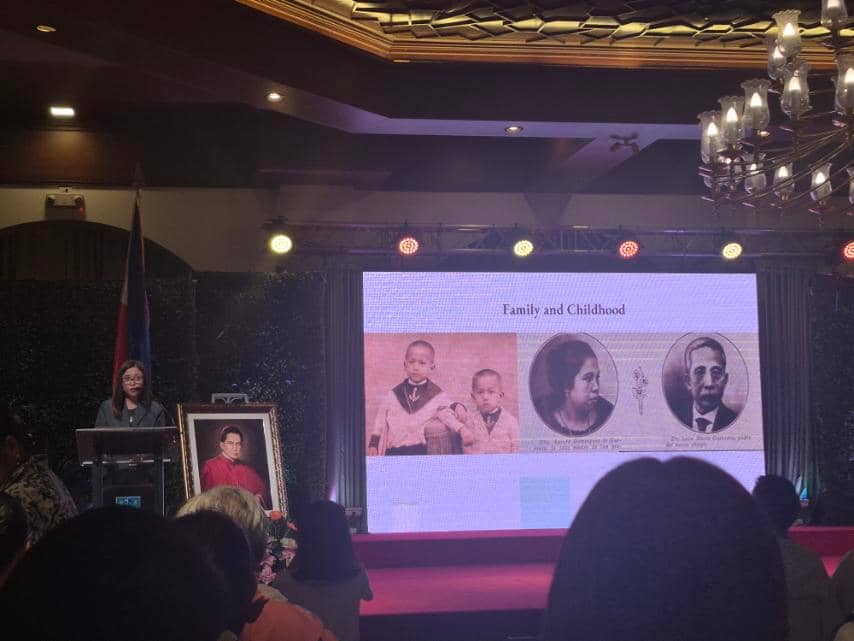
PROFESSOR Melanie D. Turingan-Marcos, PhD, dean of the University of Santo Tomas Faculty of Arts and Letters, shares the historical background and legacy of Bishop Cesar Maria Guerrero ahead of the film’s premiere.
Guerrero was known not only for his religious leadership but also for his emphasis on charity, humility, and moral renewal. He spoke against excessive displays of wealth and lifestyles that prioritized social standing over compassion for others. His message was captured in the phrase, “Mucha sociedad, poca caridad” — a reminder that outward displays of religiosity and social prominence mean little without genuine concern for those in need.
He also established seminaries to help form future priests, including Mary, Help of Christians Seminary in Pangasinan and Mother of Good Counsel Seminary in Pampanga. Later in his ministry, he promoted devotion to the Virgen de los Remedios through the Cruzada de Penitencia y Caridad, encouraging prayer, penance, and charitable action among communities experiencing unrest.
These efforts reflected a bishop who believed that faith should extend beyond the walls of the Church and translate into meaningful service to others.
For Turingan-Marcos, this is where the film’s message becomes relevant to audiences today. Coming home, she explained, does not necessarily mean returning to a physical place. It can also mean rediscovering one’s identity, recognizing one’s purpose, and understanding what one truly wants in life.
“Returning home in the physical sense, where we are talking about a space, not in a house, a literal house. But deep down, returning home is related to knowing what you really want,” she said.
The film encourages viewers to look beyond the demands and distractions of everyday life and reflect on the values that guide their decisions. With faith and the Lord’s guidance, finding one’s way back can become an opportunity to recognize a calling that may have been overlooked or set aside.
For Archbishop Socrates Villegas of Lingayen-Dagupan, Guerrero’s story should not be confined to history books or remembered only for the years he lived.
“But our movie, our short film, is for our time. Because we want to say that Bishop Guerrero is not only from 1885 to 1961. Bishop Guerrero is a gift from God for a long time,” Villegas said.
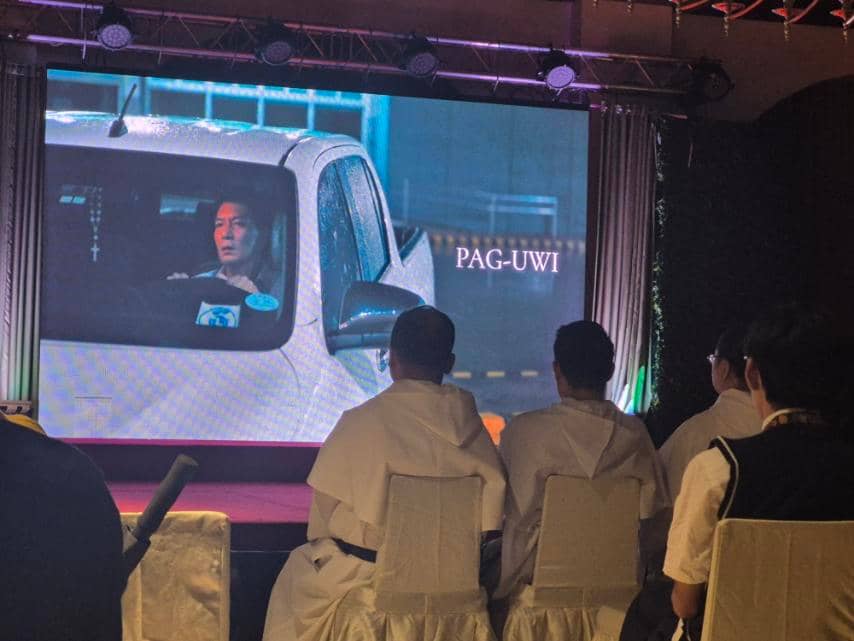
GUESTS gather for the premiere of ‘Pag-Uwi,’ a short film inspired by Bishop Cesar Maria Guerrero’s life and its themes of faith, purpose, and calling.
That continuing relevance is particularly meaningful as the Church moves forward with Guerrero’s cause for beatification. In 2026, the Holy See granted permission for the opening of his cause, recognizing him with the title Servant of God. The Archdiocese of Lingayen-Dagupan formally opened the process on 27 March 2026, the 65th anniversary of his death.
Through Pag-Uwi, the filmmakers hope to introduce a new generation to a man whose life was defined by the courage to follow his calling, even when it meant going against expectations.
Ultimately, the film’s message extends beyond religious vocation. It speaks to anyone who has questioned their direction, struggled with difficult decisions, or found themselves searching for something more meaningful.
Sometimes, coming home is not about returning to where you started. It is about remembering who you are, understanding what you are meant to do, and finding the courage to follow that path.