
Meet the director of Cinemalaya’s ‘Status: Rejected’
Young filmmaker Vahn Leinard C. Pascual reflects on his unconventional introduction to cinema, his family’s filmmaking legacy, and the personal inspiration behind Status: Rejected. He also shares lessons from directing his first full-length feature and the stories he hopes to soon share.

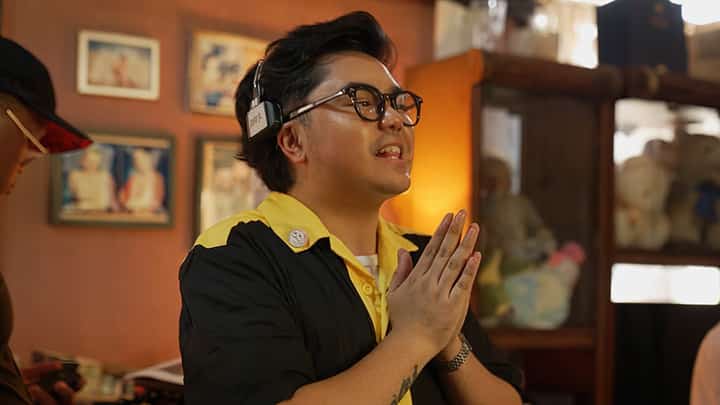
Vahn Leinard C. Pascual began his love affair with film through pirated DVDs!
This eventually blossomed into a curious interest in local movies, especially the obras of directors Wenn Deramas and Cathy Garcia-Molina. Keeping at heart the uniquely Filipino stories showcased in these classics, he made his own full-length feature film, Status: Rejected, which drew attention at the recently concluded Cinemalaya Philippine Independent Film Festival 2026 and earned the NETPAC Award.
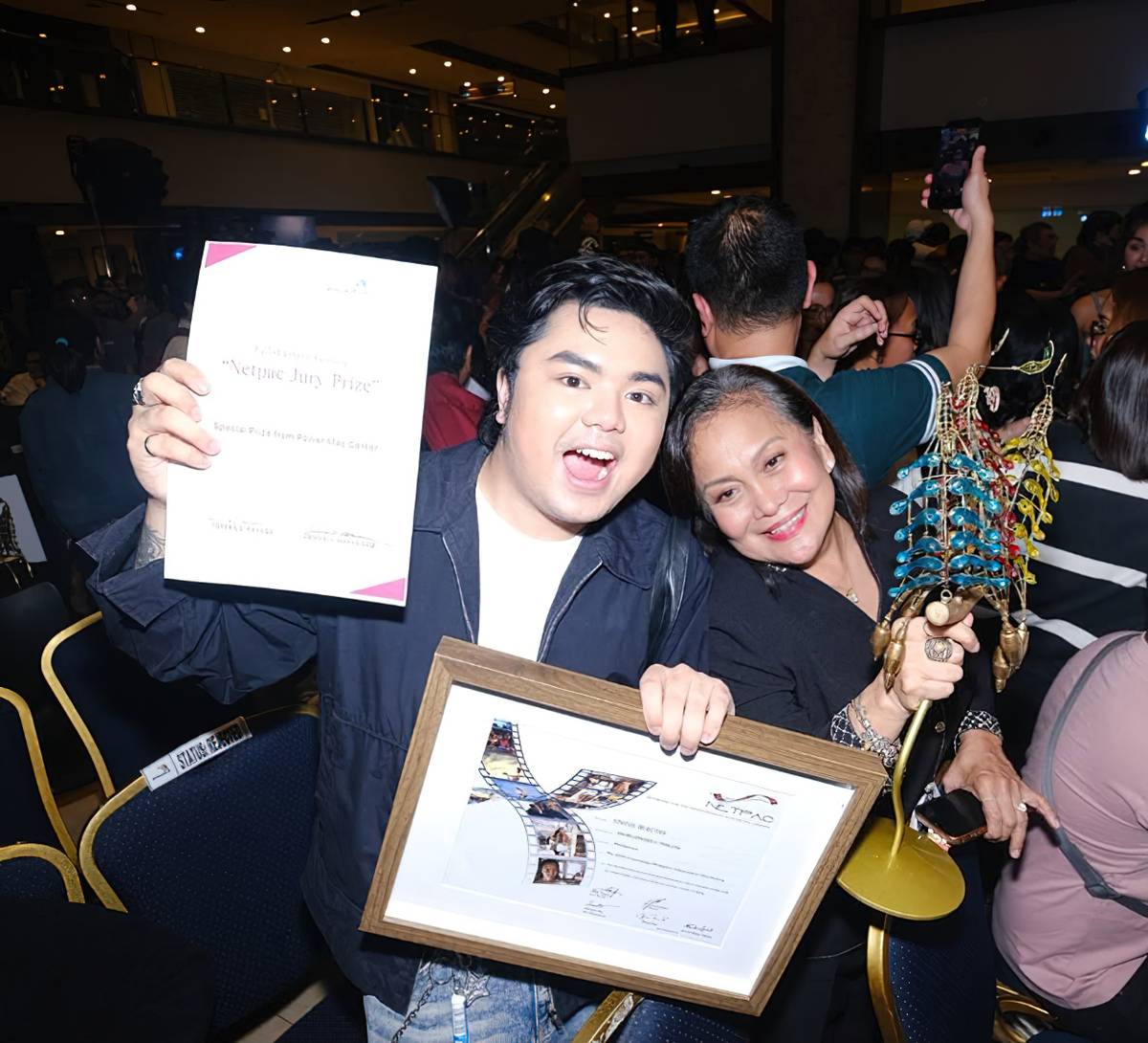
THE director holds the NETPAC Award for ‘Status: Rejected,’ alongside lead actress Ruby Ruiz with her Balanghai trophy for Best Actress, at the 22nd Cinemalaya Philippine Independent Film Festival.
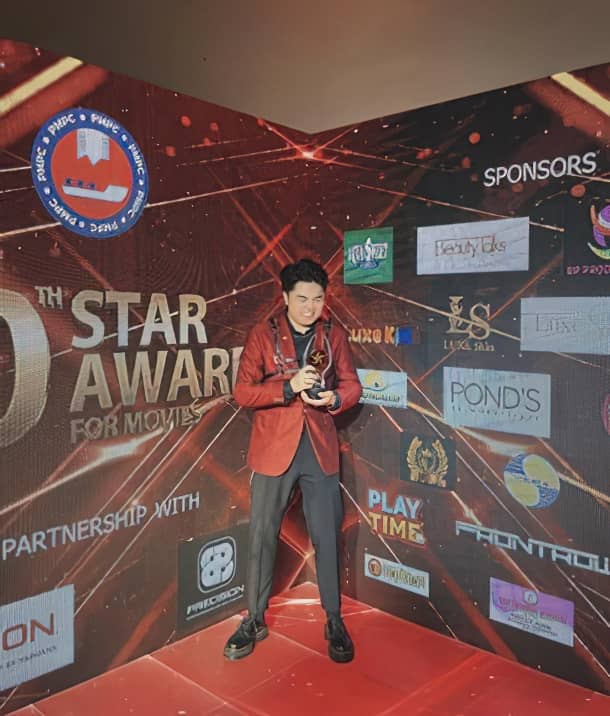
VAHN Pascual receives the Best Short Movie Director of the Year award at the 40th Star Awards for Movies.
With grandparents who met through the film industry — his grandfather was action film director Leonardo “Ding” Pascual — he was the only one from the clan’s younger generation to pursue filmmaking.
“What I find bittersweet is that while my grandfather was still alive, to be a filmmaker had never crossed my mind. I was still in junior high school when he passed away, so I never really had the educational opportunity to discuss filmmaking with him or ask him about his experiences in the industry,” he said.
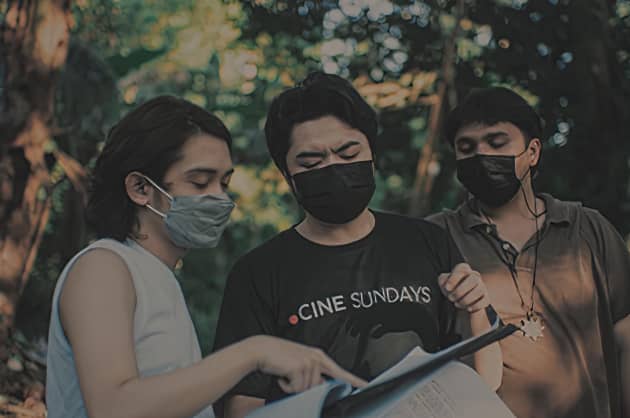
THE young filmmaker directs ‘Alingasngas ng mga Kuliglig’ in 2021.
This all changed during senior high school when they had to frequently direct short films. “I found my way into the same industry as my grandfather, but at a point when I could no longer ask him about it. It makes the connection feel even more meaningful to me now,” he said.
We sat down with the director, who graduated from De La Salle-College of Saint Benilde with a Bachelor of Arts in Digital Filmmaking, to listen more to his thoughts on film:
Tell us more about your college internships.
“I had my internship at the North Luzon Cinema Guild. Unfortunately, it happened during the pandemic, so everything had to be done online. I still learned from it, but part of me wishes I had been able to encounter the actual fieldwork which normally comes with a film-related internship.”
Describe when filmmaking caught your eye for the very first time.
“One of my earliest memories of the cinema was Enteng Kabisote with my parents. The theater was full; we ended up sitting on the stairs. We also bought pirated DVDs, usually those ‘three for P100’ bundles — so movies were always around me growing up.
“My love for cinema didn’t begin with studying arthouse films or knowing who the great auteurs were. It started very simply. I loved movies because I enjoyed watching them.”
Please tell us more about your film Status: Rejected.
“Status: Rejected follows Virginia ‘Biring’ Divinagracia, an elderly widow who dreams of going to America to reunite with her youngest son. Being repeatedly denied a US visa and feeling increasingly ignored within her own family, she reconnects with an old friend who introduced her to the world of online dating. Eventually, she meets an American man online. What begins as daily companionship and hope slowly becomes much more complicated.
“On the surface, the film deals with the American Dream, visa rejection, and a woman searching for possibilities. Personally, it delves into the many different forms of rejection Biring suffers.”
What inspired you to direct this film?
“A big part of the inspiration came from my own grandmother. I was raised by her as both of my parents were OFWs. I grew up very close to her. Due to the relationship, I’ve always been interested in older women and the way, once they reach a certain age, their wants and desires are dismissed. We tend to see them primarily as mothers or grandmothers and forget that they are still individuals with their own loneliness, frustrations, need for companionship and dreams.”
What learnings have you garnered throughout the shoots of Status: Rejected?
“Directing does not mean having all the answers. The best thing you can do is listen. You have actors, producers, cinematographers, production designers, editors, sound designers, and many other collaborators who bring their own understanding of the film.
“More than anything, Status: Rejected taught me a film depends on trust. You begin with an idea which exists only in your head or on a page, and eventually so many have to believe in it enough to help turn it into reality.”
Name your top four favorite films and briefly explain why.
“Barber’s Tales by Jun Robles Lana is one of my favorites because of how personal and political it is at the same time. I love films where politics isn’t separate from everyday life but is lived through ordinary people and their relationships.
“The Shape of Water by Guillermo del Toro, at its core, is about two beings who are considered different or incomplete by the world finding love and acceptance in each other. I love its tenderness, its fantasy, and how it finds beauty in characters who exist outside what society considers normal.
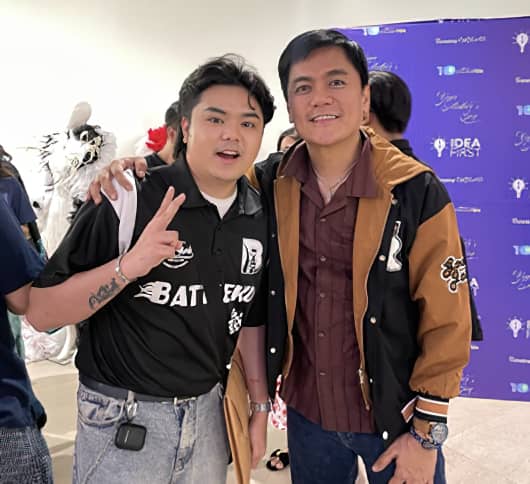
VAHN with director Jun Robles Lana during his filmmaking masterclass.
“Cleaners by Glenn Barit. I have a particular attachment to stories about high school, for I genuinely loved that period of my life. The film captures the awkwardness, chaos, insecurities, friendships — and the intensity of being young. I also really love its use of mixed media and its very distinct handmade visual language.
“Die Beautiful by Jun Robles Lana is important to me due to its queerness and its portrayal of identity, friendship, dignity, and family. It is colorful, funny, painful, and deeply emotional all at once.
Name other projects, art or non-art, you are currently up to.
“I’m currently part of Sir Ricky Lee’s Batch 31 scriptwriting workshop, and I’m developing another full-length screenplay.
“The project is particularly personal to me because it is an expansion of my college thesis short film. It’s a queer tale I’ve carried with me for a long time, and I’ve always felt there was still much more of that world and its characters I wanted to explore.”
If there are statements or thoughts you are passionate about, what are they?
“To be honest, one question I’ve become a little afraid of hearing lately is ‘What’s next?’
“After Status: Rejected, I understand why people ask. There can be expectations about what the next film is, what festival you’re aiming for, or bigger plans. But the truth is, I’m still figuring things out.
“I’m still young, I’m currently doing freelance work, and I’m also trying to find more stability in my life and career.
“I still want to make films. I still have narratives to share. I’m currently developing one that is very close to me. At the same time, I don’t want to pressure myself into creating simply because people are waiting to see what I do next.
“I don’t know exactly what’s in the future, and I’m slowly becoming okay with that.”
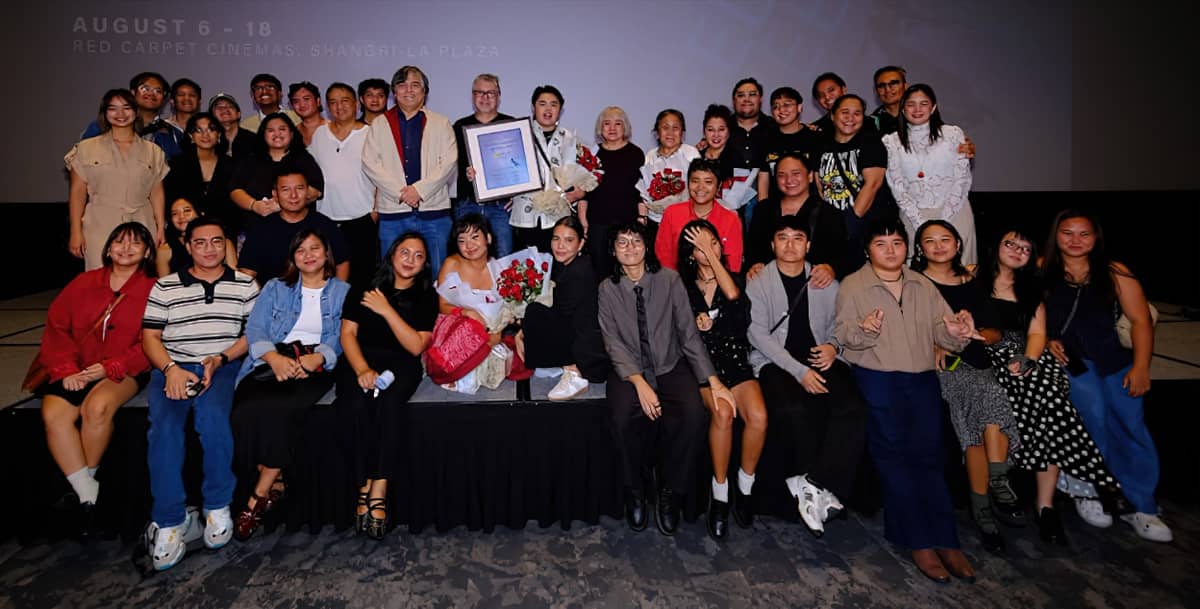
WITH the cast and crew of ‘Status: Rejected’ during the film’s gala screening at the 22nd Cinemalaya Philippine Independent Film Festival.