
DOT-2 urges tourism sector to prepare for El Niño through 2027

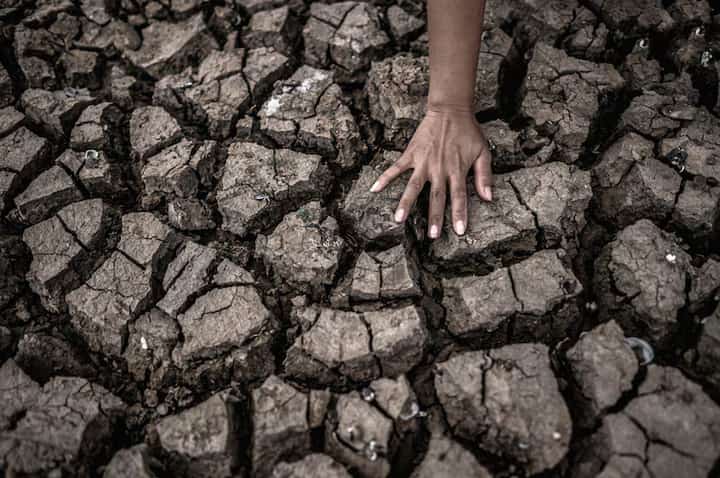
The Department of Tourism (DOT) in Cagayan Valley has urged tourism establishments, tour operators and destination managers to strengthen their preparations for the possible effects of El Niño, including water shortages, prolonged dry spells and extreme heat.
In an advisory, the DOT Region 2 cited the climate phenomenon’s potential impact on tourism operations and destinations, as moderate to strong El Niño conditions in the tropical Pacific could persist until the first half of 2027, according to the 7 September advisory of the Philippine Atmospheric, Geophysical and Astronomical Services Administration.
Tourism stakeholders were encouraged to monitor official weather bulletins, conserve water, maintain adequate supplies for guests and employees, and prioritize the safety of tourists and tourism workers during periods of extreme heat.
The agency also called for stronger coordination with local government units and emergency response agencies, particularly in preparing contingency plans and adjusting outdoor activities when weather conditions pose risks to visitors.
Tourism operators were likewise advised to promptly inform guests of changes in schedules, temporary closures, restrictions or adjustments to activities because of weather-related concerns.
Travelers, meanwhile, were reminded to drink water regularly, avoid strenuous outdoor activities during the hottest hours, wear lightweight clothing, use hats and sunscreen, and seek medical attention if they experience severe symptoms of heat-related illness.
The advisory also cautioned tourists against assuming tap water is safe to drink, urged compliance with local water-conservation measures, and warned against activities that could trigger grass or forest fires.
Visitors were encouraged to follow instructions from tour guides and local authorities, particularly when participating in outdoor excursions, water-based activities or transport services that may be affected by changing conditions.
The DOT also advised travelers with children, older adults, disabilities or existing health conditions to take additional precautions against extreme heat.
Tourists needing assistance may contact their tour operators, accommodation establishments, local tourism offices or emergency services, the agency said.