
Rules loaded toward Mr. Bigshot


Nosy Tarsee has a riddle: Which conglomerate, the kind that is a household name, just got a whole power plant for free?
Not free, its people will say. They paid.
They did. But look at with what. Back in 2010, the government put a big gas-fired plant in Batangas up for grabs.
It was one of the biggest in the country, over a thousand megawatts. The conglomerate gave an offer for the right to run it. The bid was around $870 million. Big number. Big headline.
Here’s the trick. It did not write a check.
The deal worked like this. The company would run the plant, sell the power, and keep the money. In return, it would pay the government a fixed sum every month. It could pay that sum because the plant was making the money. The plant paid for itself.
Think of it this way. You want a house but have no cash. The landlord says: Live in it, rent it out to others, and use the rent to pay me. When you have paid enough, the house is yours.
That is what happened. Twelve years passed. Every month the plant sold power. Every month the government got its share. The company’s own pocket stayed shut.
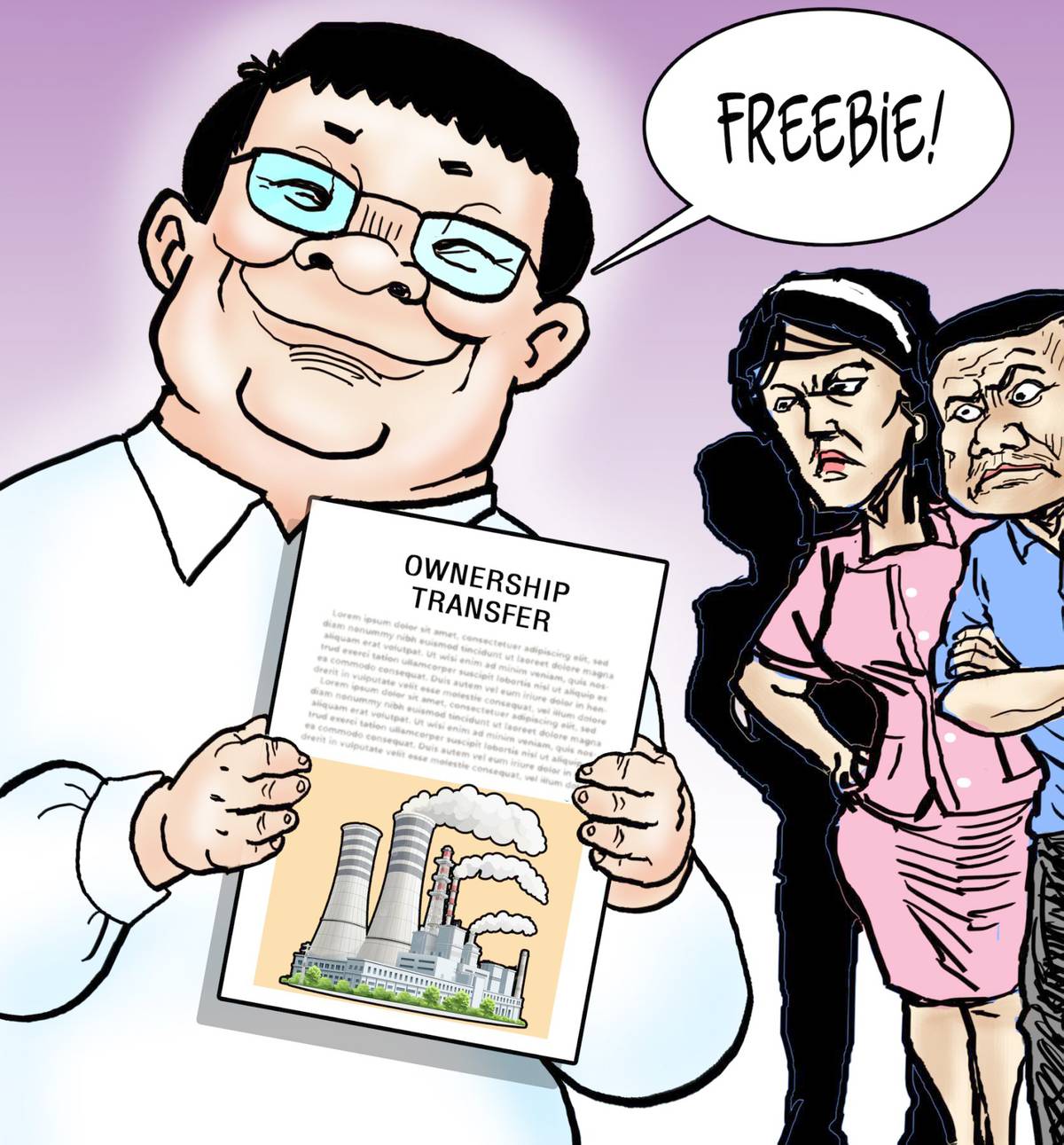
Then June 2022 came. The old contract ended. The papers were signed. The plant changed hands. No new payment. No final bill. The title just moved over.
The numbers are worth a second look. By 2021, the fixed payments alone had passed P83 billion. They were on the way to nearly P98 billion. That is well above the original bid. So the government was paid, and paid well, on paper.
But ask the fair question. Who took the risk? Not the giant’s own cash. Who took the profit for twelve years? The giant. Who owns a prized plant today? The giant.
Small firms cannot do this. A small firm would not clear the bond. It would not survive the first bad year of prices. It would not pass a bank’s test. Only a big name can carry a deal like this, and only a big name is trusted to.
Is that wrong? Not by the rules. The rules allowed it. There were fights along the way over how some fees were counted, but the sale went through.
Still, Nosy Tarsee’s little bird friend asked: When the rules let the biggest player win with the smallest outlay, who wrote the rules? And who else dared try?