
Hold the money
Nosy Tarsee found a realty firm that waited almost 20 years for its money and received no interest at all. The Supreme Court just said no to it.
The firm’s shares in a mining company were frozen back in 1986. The government said the shares belonged to a prominent businessman during the term of Ferdinand Marcos Sr. The firm denied this.
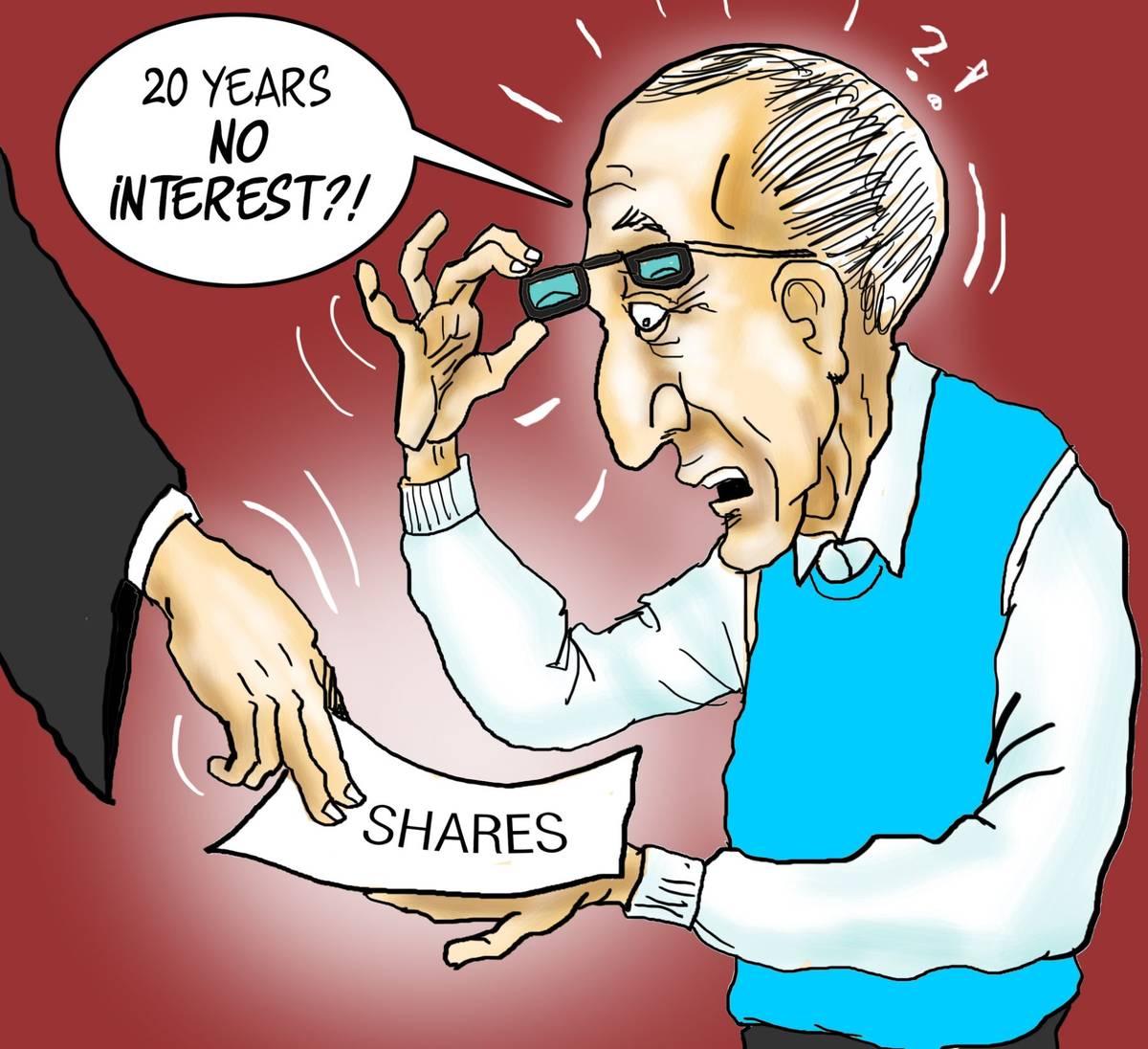
The shares earned dividends and were later sold. That left almost P198 million in cash. Some of it sat in an escrow account, where it earned a lot of interest, more than P273 million. But more than P110 million was moved to a land reform fund, where it earned nothing.
The firm cried foul. It said the government had no right to move the money. It wanted interest for all the years it lost. The anti-graft court first agreed. Later, it changed its mind.
The Supreme Court had the last word. In a decision, the Court said no. The firm got back every peso, plus the interest the money had earned. That was all.
The justices gave three simple reasons for the ruling.
First, freezing assets is not a business. The state only keeps the money safe; it does not have to make it grow.
Second, the firm could not use its money because of the freeze. The move to the land reform fund did not cause the loss. The firm also showed no proof of how much it lost.
Third, and this is the part our readers should note, the firm compared its case to land grabs by the state. When the government takes your land for public use, it must pay fair value. This is a clear order in the Constitution. If it pays late, it owes interest. The Court said a freeze is different. The state does not take the property. It only holds it for a while, so no payment is due.
So here is the lesson. When the state takes your land, it must pay you, and it must pay on time. When it only freezes your money, the wait is on you.
Nosy Tarsee’s tipsters say the lawyers of other frozen-asset owners are reading the decision closely. Many have similar claims. Some may now think twice before filing.
The decision came from the First Division, and one of the magistrates stayed out of it. He once served at the anti-graft body that froze these assets.
How many other cases are waiting in line?