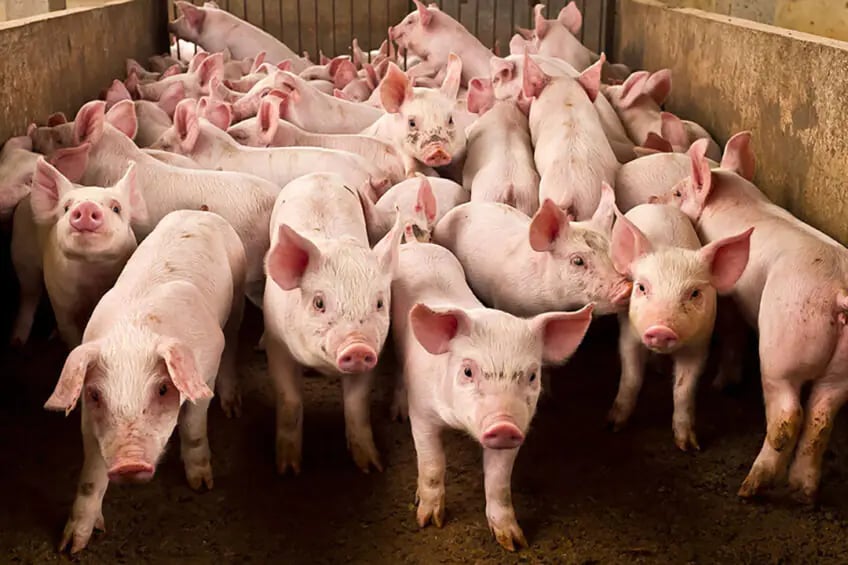
Agriculture Secretary Francisco P. Tiu Laurel Jr. said the vaccine would support the government’s efforts to restore the local hog population.
Crucial to hog repopulation program
“The availability of a commercially approved ASF vaccine is crucial to our repopulation program,” Tiu Laurel said. “It gives hog raisers another tool to protect healthy animals as we work to rebuild the industry and secure a more stable supply of pork.”
Agriculture Undersecretary for Livestock Constante J. Palabrica said a second vaccine, South Korea’s PROVAC, is undergoing BAI evaluation and could provide hog raisers with another option as early as next year.
Urgent need for additional protection
The need for additional protection remains urgent. ASF outbreaks have been reported in 76 of the country’s 82 provinces, with backyard raisers bearing much of the burden because of limited resources for biosecurity and disease losses.
Palabrica said he has requested P1 billion for next year to subsidize vaccination programs, including for backyard farms.
The government plans to combine vaccination with disease surveillance, stricter biosecurity, movement controls and targeted restocking as it works to bring the national herd back to pre-ASF levels.
Humans un-infected, but can cause loss among pigs
ASF does not infect humans, but it can cause severe losses among pigs and disrupt pork supplies. A stronger domestic herd could eventually reduce supply gaps, lessen dependence on imports and help stabilize pork prices.
For hog raisers who have spent years battling the disease through culling and containment, the vaccine marks a major shift toward prevention and recovery.