
A short film finds a way through
In her debut short film ‘Para-Paraan,’ Mae Chan Li follows wheelchair user Katrina Hernandez as she navigates everyday spaces riddled with physical and social barriers.


A parked vehicle blocks Hernandez’s path, forcing her to find another way through.
PHOTOGRAPHS courtesy of Cinemalaya Foundation
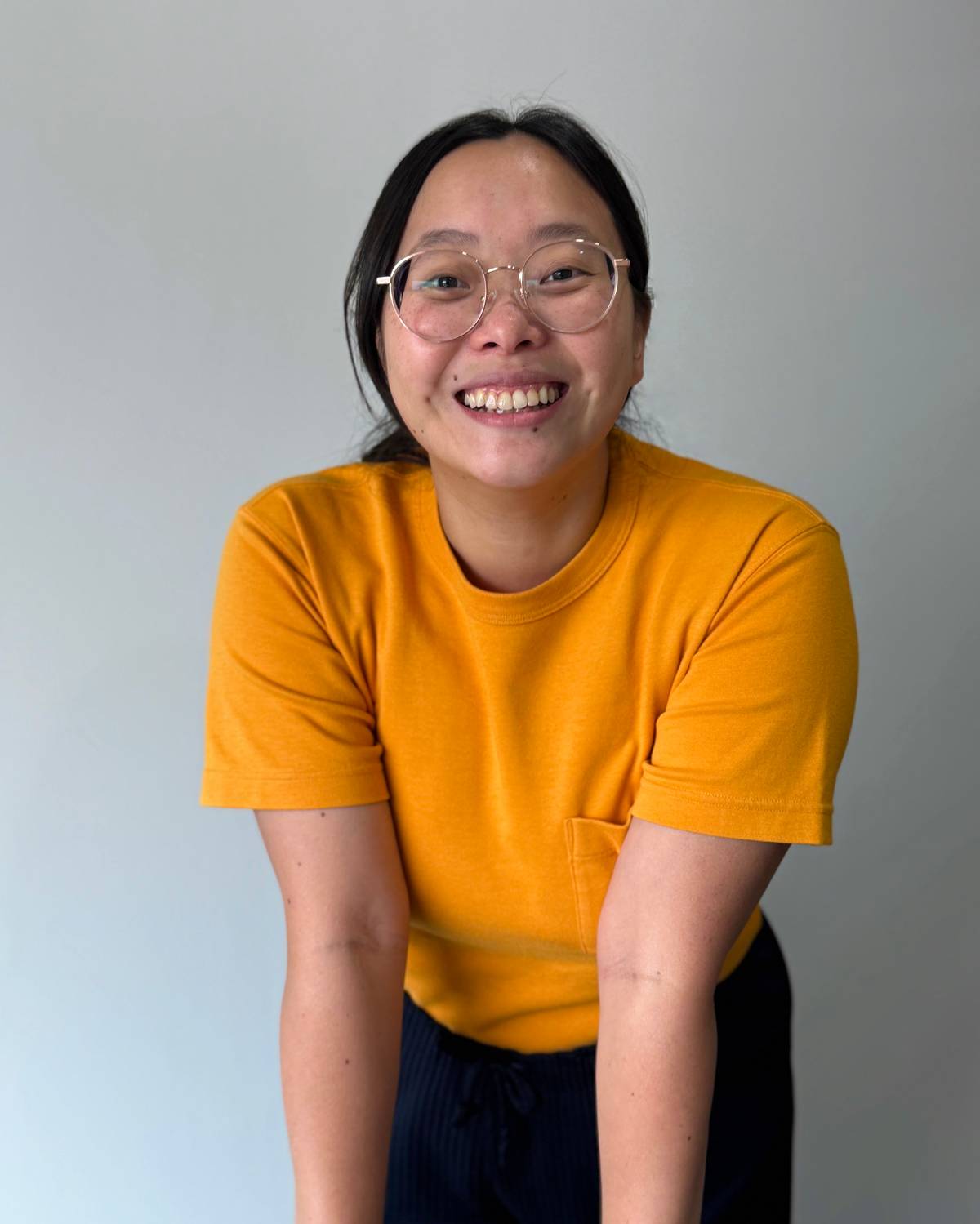
Filmmaker and disability advocate Mae Chan Li, director of ‘Para-Paraan.’
For many persons with disabilities in the Philippines, an ordinary journey means searching for safe ramps, passable sidewalks and alternative routes through spaces not designed with them in mind. While laws such as the Accessibility Law and the Magna Carta for Disabled Persons mandate accessible facilities and a barrier-free environment, steep ramps, obstructed sidewalks and unusable entrances reveal the persistent distance between legal standards and everyday experience.
It is within this gap that Para-Paraan (Finding a Way Through) finds its story. The short film has been selected as one of 10 works competing in the Short Film category of the prestigious Cinemalaya Philippine Independent Film Festival this year, a major feat for the debut film of its director, disability advocate Mae Chan Li, an accounting management graduate who has been producing online content.
The 10-minute documentary follows Paralympic powerlifter and wheelchair user Katrina “Kat” Hernandez through a city where access must continually be improvised. Instead of staging extraordinary ordeals, the film observes ordinary streets, buildings and routines that become altogether different when experienced from a wheelchair.
Its title carries the film’s central tension. Para-paraan suggests resourcefulness — the strategies and adjustments people employ when the direct route is unavailable. For Hernandez, however, the expression holds a more complicated truth.
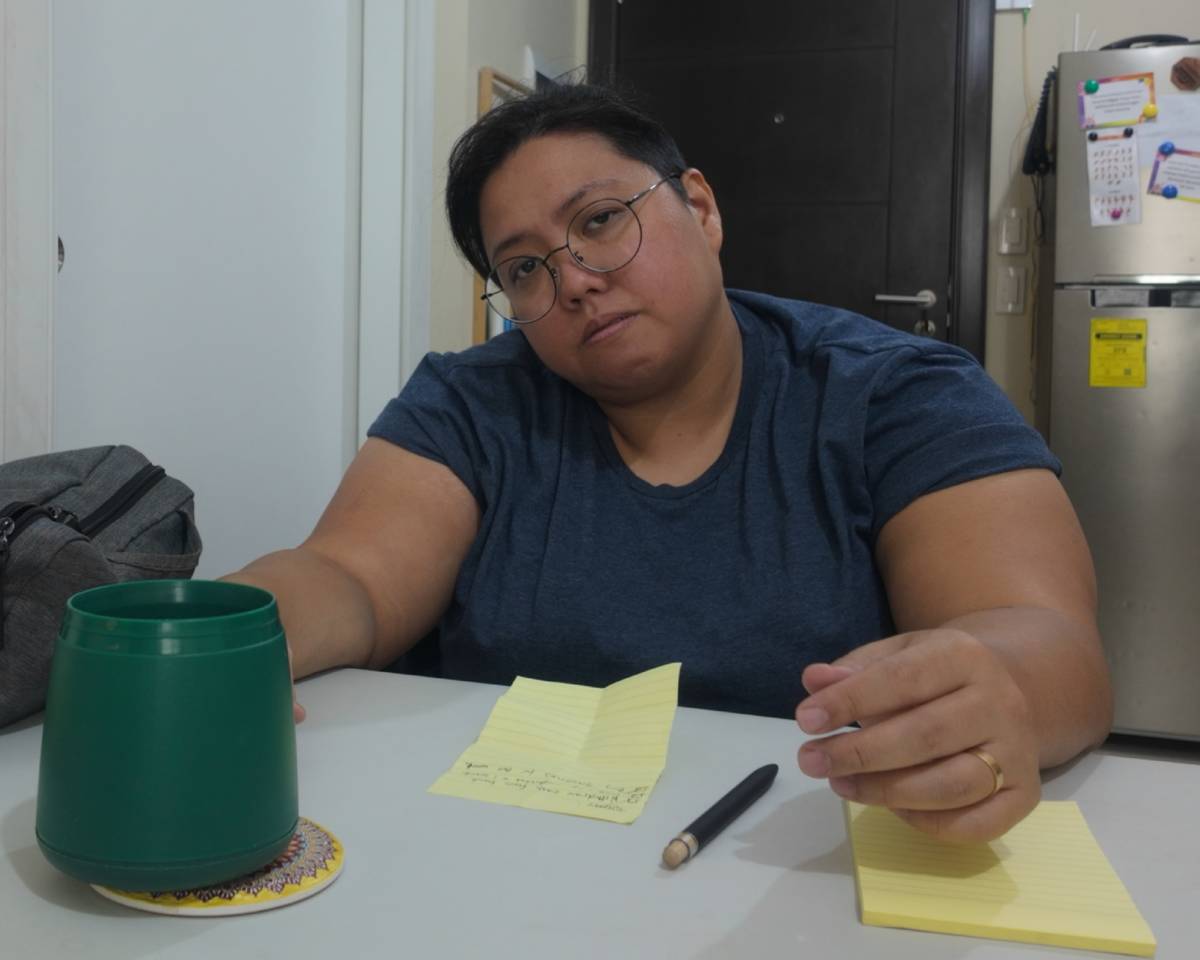
Katrina Hernandez, the central subject and executive producer of ‘Para-Paraan.’
“Since the world is not designed with us in mind and accessibility is treated as an afterthought, life is not as straightforward for me as it is for people without disabilities,” she said. “As a person born with a disability, I’ve had to learn how to troubleshoot and find creative ways to get around life — mga para-paraan.”
For her, the phrase refers to “‘yung mga diskarte natin sa buhay para lang makasabay” — the ways one devises simply to keep pace. Resourcefulness may be admirable, but it should not be the price of participating in ordinary life.
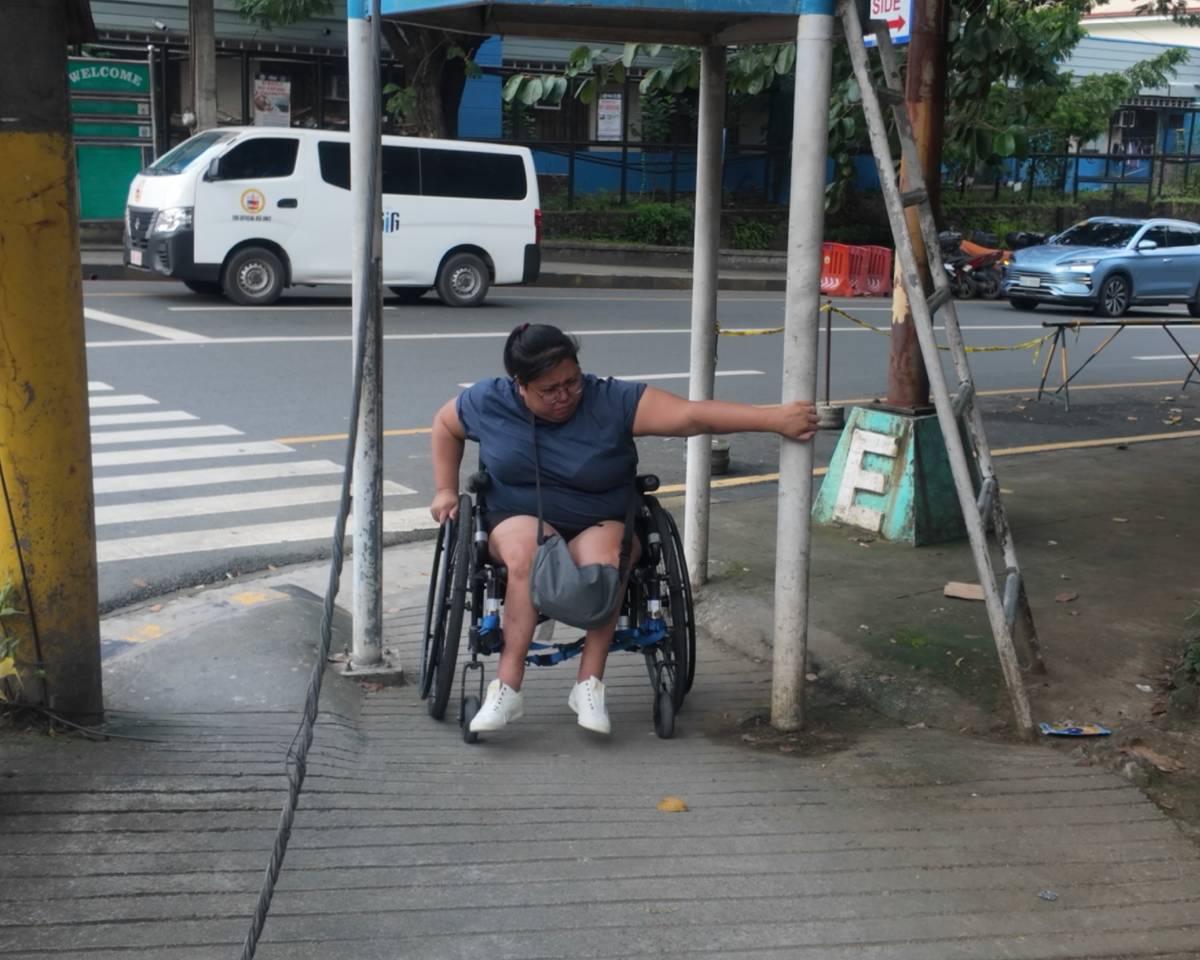
Posts and other obstructions narrow Hernandez’s passage along a city sidewalk.
Barriers in familiar places
The film developed from Li and Hernandez’s work through Kat Out of the Box, an online platform where they document inaccessibility and challenge stigma surrounding disability.
“Para-Paraan became our first attempt to bring that advocacy into film,” Li said. “I chose Kat as the central narrative because I felt that she embodies both lived experience and a genuine can-do attitude. Her story isn’t just about the challenges of living with a disability, but also about her determination to live her life on her own terms.”
Through Hernandez, Li wanted audiences to experience what it means to navigate a world that was not always designed with them in mind.
The documentary begins from a simple recognition: persons with disabilities perform the same ordinary tasks as everyone else. They work, shop, cross streets, enter buildings and meet friends. What often makes these activities difficult is not the disability itself but the barriers in the surrounding environment.
“We wanted to show two truths,” Hernandez explained. “One, that people with disabilities do the same things as those without disabilities; and two, that it’s not just the disability, but the barriers, that stop us from being able to do these tasks.”
One example is the badly designed ramp — a feature that may allow a building owner to claim accessibility while remaining unusable in practice.
“In buildings that have no ramp, what some building owners do to ‘save’ money is put a ramp over the stairs,” Hernandez said. “But the problem is the ramp becomes unusable and unsafe kasi sobrang tarik ng (because of very steep) incline, so hindi rin magamit (it is not usable) and therefore no way in.”
Li did not deliberately take Hernandez to unusually hazardous locations. There was little need because almost any ordinary place presented difficulties.
“Many people are surprised when they recognize these places because they look accessible, with wide roads, sidewalks and even bike lanes, but navigating them with a wheelchair tells a very different story,” Li said. “Inaccessibility doesn’t always look inaccessible.”
Obstacles everywhere
Para-Paraan did not emerge from an elaborate screenplay. Reality supplied its scenes.
“It wasn’t hard to find a plot to work with because the obstacles were everywhere,” Li wrote in her director’s statement. “What shaped the film was not invention, but selection: choosing which realities to frame, which moments to hold and which negotiations to share.”
The barriers were not staged. The filmmakers conducted a walkthrough and documented what it was like to move through the city in a wheelchair.
“Because the barriers were unstaged, it gave me mixed feelings — relief that everything was raw and organic, but also frustration that we ran into the obstacles we wanted to show with so much ease,” Hernandez said.
That ease is one of the film’s most disturbing revelations. Li and Hernandez did not have to manufacture conflict because the conflict had already been built into the landscape.
Li chose familiar places and mundane activities to allow audiences to see everyday surroundings from another perspective. She focused on moments that might seem insignificant to a walking person but become entirely different when one lacks the same options.
The film relies on minimal dialogue, ambient sound, and quiet observation rather than extensive interviews or narration. Viewers are invited to notice the delay, obstruction and negotiation required to complete what should be a simple action.
“I didn’t want people to be distracted by being told what to think,” Li said. “I wanted them to simply watch, listen to the surroundings and connect with the elements of the film.”
The film does not cast the people around Hernandez as villains. They are familiar figures — the passerby, driver, or fellow elevator passenger who witnesses a difficulty and continues with the day.
“The film isn’t meant to shame anyone,” Li said. “It asks you to reflect on your part in those moments. What did you do? And what would you do differently the next time it happens?”
Neither filmmaker had a formal film background. Li took on the roles of director, screenwriter, cinematographer, editor, production designer, composer, sound designer, and producer. Hernandez was also executive producer and co-editor.
“At one point, I was literally Googling how to do film credits because we didn’t even know how,” Li recalled. “We had limited resources and limited time, but we had a meaningful story we really wanted to share.”
Beyond pity and inspiration
Disability stories in popular media are frequently confined to two extremes: helplessness deserving pity or extraordinary courage presented for inspiration. Para-Paraan resists both.
“Disability narratives in media often fall into two extremes: either inspiration or tragedy,” Li said. “We wanted to move away from both and show what life looks like for Filipinos with disabilities in between.”
The documentary does not ask viewers to pity Hernandez, nor does it transform every action into a heroic triumph. It observes a woman living her life while directing attention toward the environments that obstruct it.
“We grounded the story in tasks that people need to do in order to live, to show that people don’t need to overcome a disability just to live life,” Hernandez said.
Helping shape this representation was important to her. As executive producer and co-editor, she participated in deciding how her experience would appear onscreen. The process also became personal.
“Looking back, it was actually a therapeutic experience for me, because it was like I was healing my inner child,” she said. “I grew up surrounded by narratives of pity, awa, or being the butt of jokes.”
Creating the stories she needed while growing up, she added, is both a privilege and a responsibility.
Beyond resilience
The so-called Filipino resilience is often celebrated, but Para-Paraan asks whether such admiration sometimes excuses social neglect.
“People with disabilities often develop a strong sense of troubleshooting because we’re used to things not going our way,” Li said. “While resilience is something to be proud of, I wanted to challenge the idea that the responsibility should always fall on the person with the disability.”
Instead of merely celebrating Hernandez for continually adjusting, Li wants audiences to ask why she must always be the one adapting.
This is the heart of Para-Paraan. The film shifts attention from the individual body toward the environments and attitudes that determine who can participate. As Hernandez observed, “It’s not the disability that’s the most crippling part about life with a disability, but the barriers and the stigma that make life difficult.”
The filmmakers hope audiences will examine their own surroundings, speak up when they notice barriers and include persons with disabilities in decisions about public spaces and systems.
In Para-Paraan, finding another way is both an expression of human ingenuity and an indictment of collective failure. Every improvised route demonstrates Hernandez’s determination, but it also reveals a direct route that should have existed from the beginning.
Persons with disabilities have long been finding ways through. It is now society’s responsibility to clear the way.
Para-paraan is being screened at the 22nd Cinemalaya Independent Film Festival, which runs from 6 to 18 August, primarily at Red Carpet Cinemas in Shangri-La Plaza in Mandaluyong City, alongside partner venues such as Gateway Cineplex 18 and select Ayala Malls Cinemas.