
NCDA condemns TikTok’s ‘Emily Blind Prank’ trend
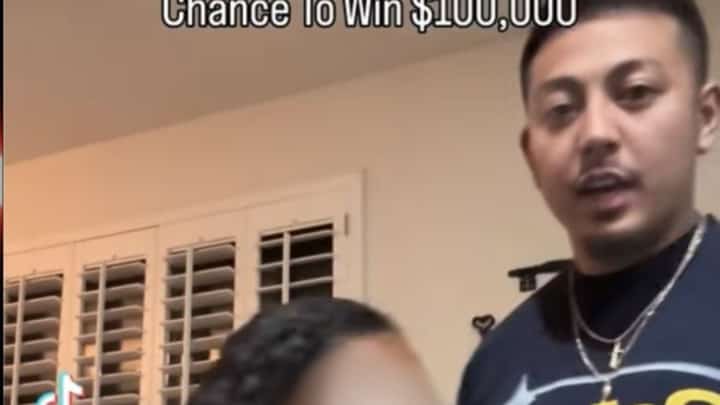
The National Council on Disability Affairs (NCDA) on Thursday strongly opposed the “Emily Blind Prank” trend on TikTok and other social media platforms.
The trend encourages people, especially children, to pretend to be blind for rewards or attention — an act the Council described as disrespectful and harmful.
The NCDA said more Filipino TikTok users are taking part in the prank and involving their younger siblings, leading to discrimination against persons with disabilities.
One example is a user named “keyliee24,” who uses her daughter in the act to try to win P100,000 in a contest.
“Disability is not a costume. It is not a challenge to be faked for entertainment. These prank videos diminish the gravity of what it means to acquire a disability or fight through illness. These videos make fun of the real fundraising efforts by persons with disabilities and their families, who face financial hardship in seeking care, rehabilitation, and support,” the NCDA said.
The agency added that seeking treatment is often a long and difficult process filled with emotional and financial challenges. For individuals who acquire a disability due to trauma or illness, it requires grief and resilience.
“When creators portray blindness or disability without understanding, it minimizes these experiences and suggests that asking for help is just for show,” it added.
The NCDA emphasized that these videos mock disability and violate Republic Act 9442, which prohibits the public ridicule and vilification of persons with disabilities. Under the law, any act that subjects persons with disabilities to shame, humiliation, or scorn — whether in public spaces or online platforms — is punishable.
The Council also reminded all content creators, parents, and platform moderators that digital content is not exempt from accountability.
The NCDA called on the public to take action and report content that mocks or misrepresents disability. Reports and documentation may be sent through the NCDA’s official channels for monitoring and proper response.
“Let us protect the dignity of persons with disabilities and uphold the values of inclusion, respect, and human rights,” the NCDA said.