
Phl’s next challenge: reaching high-income status — WB

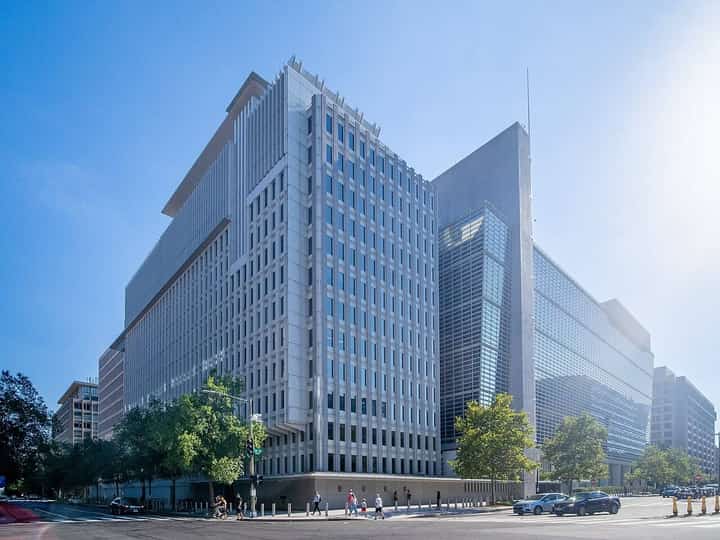
The Philippines has officially entered the ranks of upper-middle-income economies, but the next challenge is sustaining growth and accelerating reforms to achieve high-income country status, the World Bank (WB) said in its latest Philippines Economic Update.
The multilateral lender said the country’s transition to upper-middle-income status marks the culmination of two decades of sustained economic expansion and rising living standards, driven by reforms that strengthened macroeconomic stability, improved the business environment, facilitated trade, and attracted private investment.
Deeper structural reforms
The World Bank, however, cautioned that maintaining the country’s development momentum will require deeper structural reforms to generate more quality jobs, restore investor confidence and reduce poverty and inequality.
“This is a milestone the Filipino people have earned. The World Bank is proud to have been supporting the Philippines in its continuous development,” said Zafer Mustafaoglu, World Bank Division director for the Philippines, Malaysia and Brunei.
“Sustaining it requires going further — prioritizing reforms that lower the cost of doing business, restore investor confidence, and create more and better jobs for Filipino families. That work continues, and so does our partnership,” he added.
The World Bank said reforms over the past two decades stabilized the economy, earned the country investment-grade credit ratings, and supported inclusive growth by encouraging investments and expanding employment opportunities.
Despite the milestone, the lender expects economic growth to moderate to 3.7 percent this year due to policy uncertainty that has dampened fixed investments, private sector confidence, and foreign direct investment, as well as higher global energy prices that pushed domestic inflation to an average of 4.8 percent in the first half of 2026.
The report noted that the combined impact has weighed on household consumption and employment, particularly among the poorest 30 percent of Filipino households.
With the right policy responses, however, the World Bank projects the Philippine economy to recover and expand by 5.2 percent in 2027.
Road to high-income status
The report said the country must pursue three key reforms to sustain its progress and move closer to becoming a high-income economy.
First, it urged the government to strengthen support for vulnerable sectors by expanding targeted social assistance, including temporarily extending the Pantawid Pamilyang Pilipino Program (4Ps) to near-poor households to cushion the impact of rising energy prices.
Second, it stressed the need to keep inflation under control without undermining the country’s economic recovery.
Third, it called for measures to restore investor confidence by addressing uncertainties in infrastructure governance and lowering the cost of doing business to encourage both public and private investments.