
LTFRB shifts fuel subsidies to GCash

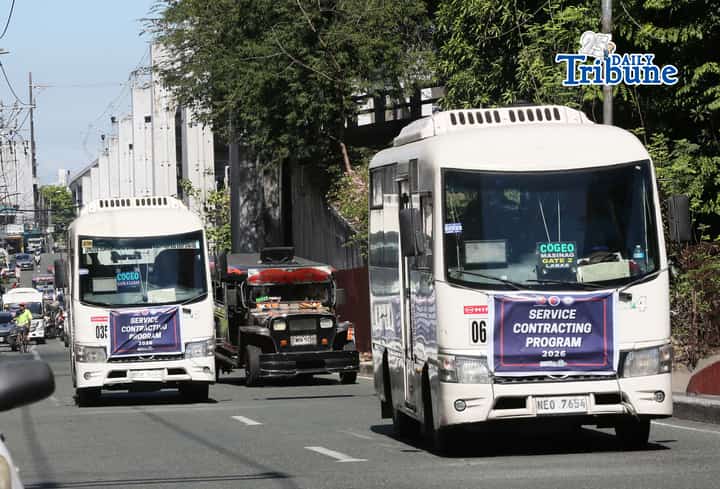
Public utility vehicle (PUV) drivers nationwide will now receive government fuel subsidies directly through their GCash accounts under a new digital disbursement program between the Department of Transportation (DOTr), the Land Transportation Franchising and Regulatory Board (LTFRB), and GCash.
Under the program, the LTFRB verifies eligible beneficiaries, while fuel assistance is credited directly to fully verified GCash accounts of drivers who selected the e-wallet as their preferred payout channel.
"GCash is committed to working with the government to ensure that digital financial infrastructure advances equitable access to essential services and upholds the dignity of every Filipino,” GCash B2B Sales Head Cleo Celeste Santos said on Tuesday.
“In partnership with the LTFRB, this initiative demonstrates how digital subsidy disbursement can remove structural barriers, such as long queues and manual processes, while strengthening transparency and accountability in delivering government support to Filipinos,” he added.
Drivers may verify if they are included in the LTFRB's list of beneficiaries through the agency's official Viber hotline. Those without verified GCash accounts are required to complete the platform's identity verification process before receiving the subsidy.
Once the LTFRB releases the assistance, eligible recipients will receive an SMS notification from GCash confirming that the fuel subsidy has been credited to their accounts.
The program was launched in response to higher global fuel prices triggered by geopolitical tensions in the Middle East, which have increased operating costs for public transport drivers and operators.