
Boosting the immune system
The digestive system plays a central role in supporting immune function.

There is a tangible connection between the immune system and nutrition, Eating a balanced diet requires ensuring that there is optimal nutrition intake at a cellular level.
When people think about their immune system, they usually consider its role in fighting a cold or infection. However, there is a direct connection between the immune system and nutrition.
Our immune system is one of the most effective forms of defense against viral infections. There are two categories of immune functions in everyone’s body — innate immunity which prevents diseases from entering the body, and adaptive immunity which eliminates or prevents the growth of pathogens, such as viruses and bacteria, in the body.
In a person who is malnourished, the immune system shuts down. In people who are overweight or obese, the immune system becomes hyperactive and causes inflammation. This is particularly concerning in the Philippines, where the 2021 Expanded National Nutrition Survey (ENNS), revealed that 29.5 percent of Filipino adults are overweight, and 14.8 percent are obese — a growing trend linked to sedentary lifestyles and poor dietary choices.

There is a tangible connection between the immune system and nutrition.
There is a tangible connection between the immune system and nutrition. What we eat, where we live, how much we sleep, how we exercise, and even who we live with, are all caused by chemical reactions that can alter our health status.
Four tips to increase nutrients for the immune system:
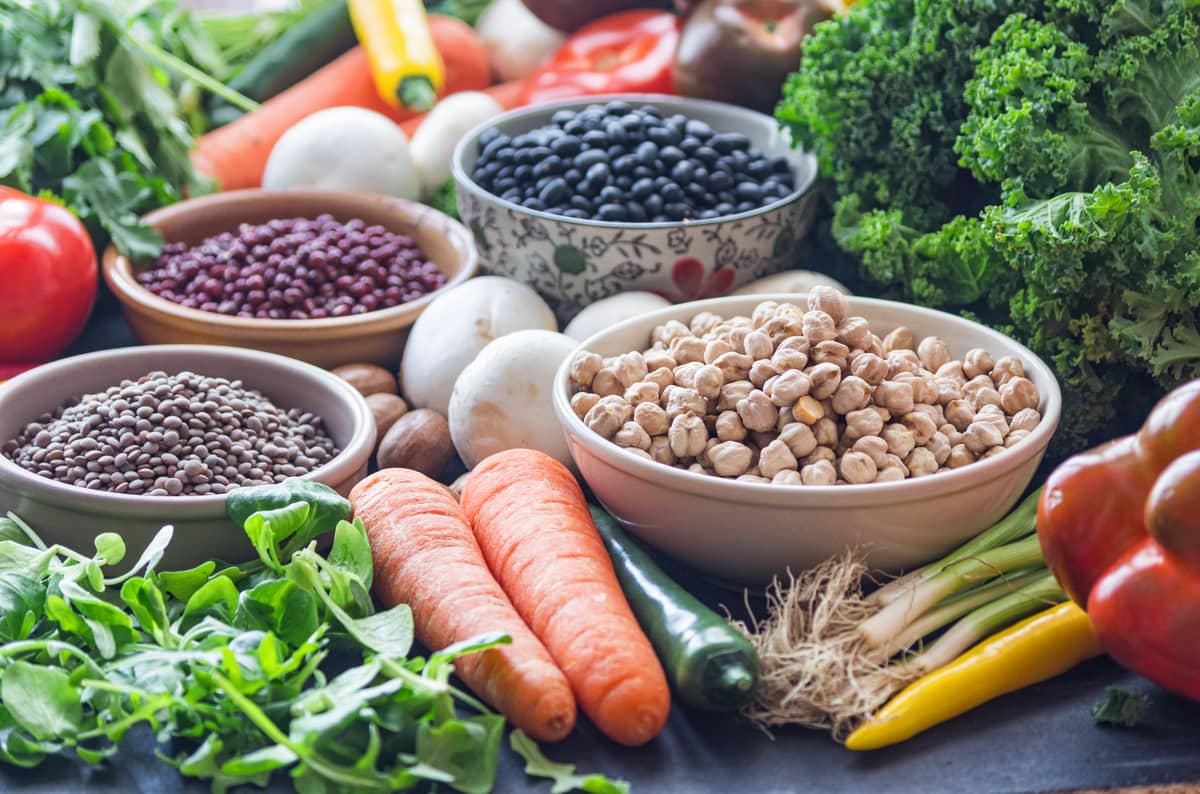
Eating a balanced diet requires ensuring that there is optimal nutrition intake at a cellular level.
Eating a balanced diet requires ensuring that there is optimal nutrition intake at a cellular level. Make sure you consume enough of the following nutrients:
Include protein in your daily nutrition
Also known as the basic building block of the body, protein allows the body to manufacture antibodies that it requires to defend against invading viruses and bacteria. To ensure that we have sufficient levels of protein in our diet, we can eat more healthy protein foods such as fish, poultry, lean meats, soy foods like tofu and tempeh as well as low-fat dairy products.
Incorporate vitamins and phytonutrients
Vitamins A and C, as well as phytonutrients, are key players in immune system health. As one of the biggest immune system boosters, Vitamin C encourages our body to produce antibodies that fight diseases. It is essential to maintain a daily intake of vitamin C as the body does not produce or store it. Vitamin A supports the health of our skin, tissues of our digestive tract, and respiratory system.
Phytonutrients, which are found in vegetables and fruits, reduce our body’s oxidative stress, which may weaken its ability to fight off illnesses. A number of phytonutrients have been shown to reduce the risk of cancer and cardiovascular diseases, fight inflammation, lower blood pressure, and boost the overall health of our immune system.
Focus on gut health with probiotics and prebiotics
The digestive system plays a central role in supporting immune function. The intestinal tract is the main route of contact with the external environment and is a pathway that contains the microbiome that aids digestion as well as the absorption of nutrients. Having the right gut bacteria has been associated with benefits such as weight loss, improved digestion, healthier skin, and, most importantly, enhanced immune function, although research in these areas is not conclusive or universally applicable.
Increase omega-3 fatty acids
Omega-3 fatty acids, such as DHA and EPA, are healthy and essential types of fat, which can be found in food such as seafood, flax and chia seeds and supplements such as fish oil. Omega-3 fatty acids may enhance the functions of immune cells, which play a large role in both the innate and adaptive system that responds to infections.