
When women stop normalizing discomfort
Many women learn to live with pain, fatigue and hormonal changes without realizing when these symptoms deserve medical attention.
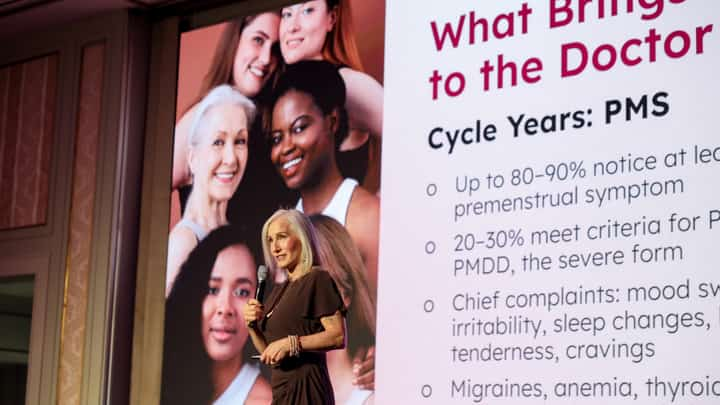
Discomfort has quietly become part of everyday life for many women.
Painful menstruation is often brushed aside as something to endure. Constant exhaustion is blamed on a hectic schedule. Mood changes, restless nights and unexplained shifts in energy are frequently dismissed as inevitable consequences of getting older. Over time, these experiences become so familiar that many stop questioning whether something more is going on.
Health experts, however, say that accepting every symptom as “normal” can delay important conversations about women’s health.
Studies have long pointed to gaps in healthcare access and awareness among Filipino women, with many delaying consultations or overlooking symptoms they consider routine. As a result, conditions linked to reproductive health, hormonal changes and nutrition may go unrecognized until they begin affecting daily life.

SALMON is a nutritious addition to a balanced diet, offering protein and healthy fats.
PHOTOGRAPH COURTESY OF UNSPLASH/CAROLINE ATTWOOD
Hormones are often associated only with menstruation, yet they influence far more than monthly cycles. They play an essential role in regulating sleep, metabolism, stress responses, mood, reproductive health and overall energy. As hormone levels naturally fluctuate throughout different stages of life, women may notice physical and emotional changes that vary from one person to another.
Because these changes can appear gradually, they are sometimes mistaken for ordinary stress or aging.
According to naturopathic physician and wellness educator Dr. Debra Rouse, caring for women’s health begins with paying closer attention to what the body is communicating rather than ignoring persistent symptoms.
“Taking care of your body is not about perfection or control, or adding one more thing to your to-do list,” she said. “It comes down to self-awareness, self-forgiveness, profound self-compassion, and self-love. When we learn to listen to our bodies with love rather than judgment, everything shifts.”
She added that informed decisions about nutrition, lifestyle and overall wellness can help women navigate every stage of life more confidently.
Rather than relying on quick fixes, health professionals encourage building habits that support overall well-being. Eating balanced meals rich in vegetables, fruits, whole grains and quality sources of protein, staying physically active, getting enough sleep and managing stress all contribute to better health.
Simple routines can have a meaningful impact. Regular walks, strength-building exercises, spending time outdoors and maintaining strong social connections have all been linked to improved physical and emotional wellness.
Nutrition also plays a role. Depending on an individual’s needs, healthcare providers may recommend nutrients such as vitamin D, magnesium or omega-3 fatty acids to address deficiencies or support overall health. Experts stress, however, that supplements should complement — not replace — a healthy diet and should ideally be taken under professional guidance.
Medical professionals also remind women that hormonal changes are not always the sole explanation for symptoms such as fatigue, poor sleep or mood swings. Similar concerns may stem from thyroid disorders, nutritional deficiencies or other health conditions, making proper medical evaluation essential when symptoms persist or interfere with daily activities.
Perhaps the most important message is that women’s health deserves open conversations rather than quiet acceptance.
As discussions surrounding menopause, reproductive health and hormonal wellness become more common, experts hope more women will feel empowered to ask questions, seek reliable medical advice and better understand how their bodies change over time.
Recognizing when something feels different can be just as important as any treatment. Listening to the body’s signals may be one of the simplest ways women can take a more active role in protecting their long-term health.