
Eating healthy shouldn't feel like a chore
For many people, eating healthier is easier said than done. Busy schedules, changing routines and the temptation of convenient meals can make it difficult to get enough vegetables and greens into everyday diets. Even knowing what a balanced meal should look like does not always translate into healthier habits.
Chef Gerick Manalo knows this struggle firsthand. Despite years of experience preparing food for others, he admits that maintaining his own healthy eating habits was not always easy.
“As a chef, I could tell you exactly what a balanced plate should look like, how to prepare vegetables, and even make them taste good for other people,” Manalo says. “But when it came to my own plate, I was the one avoiding them.”
As his schedule became busier, vegetables were often among the first things he skipped. He tried making up for it by blending greens and vegetables at home, hoping to find an easier way to get the nutrients he needed. However, the experiment did not go as planned.
“It tasted terrible,” he says, laughing. “I was drinking it because I knew I needed it, but eventually, I gave up.”
The experience highlighted a familiar problem in healthy living: knowing what is good for the body is one thing, but finding a way to incorporate it into everyday life is another.
“I’ve learned that knowing what’s healthy is easy. Making it a habit is the hard part,” he says. “The challenge is doing those things consistently, especially when life gets busy.”
Making healthy choices easier
For people juggling work, family responsibilities and personal commitments, maintaining a balanced diet can sometimes feel like another task on an already full schedule. Preparing vegetables, planning meals and finding nutritious options require time and effort, which can make convenience an important factor in everyday food choices.
For Manalo, the answer lies in making healthy food more enjoyable rather than treating it as something people simply have to tolerate.
“I think the biggest misconception is that eating well means forcing yourself to eat things you don’t enjoy,” he says. “For me, it’s really about finding a way to make better nutrition work for you.”
His perspective comes from his experience in the kitchen, where taste, texture and presentation are just as important as the ingredients. He believes healthier choices are more likely to become lasting habits when they fit naturally into a person's lifestyle.
“What I felt was missing was something made for real people, not just people who are already obsessed with wellness,” Manalo says. “Make it simple. Make it enjoyable. Make it fit real life.”
This philosophy eventually inspired him to establish EarthLab & Co., a wellness venture that explores more convenient ways of incorporating greens and other nutrients into daily routines.
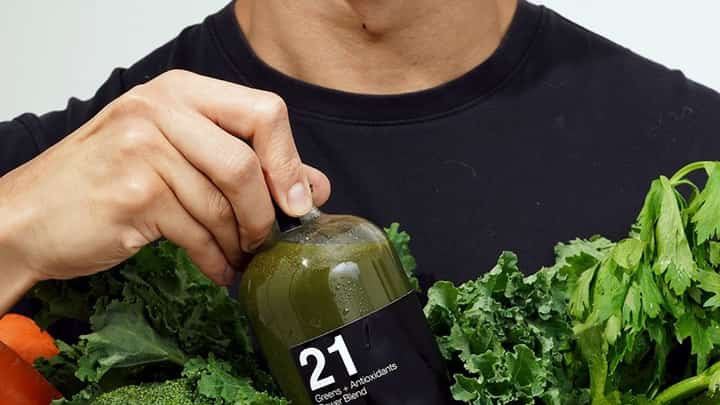
Its first offering, 21 Greens + Antioxidants Power Blend, took more than two years to develop, involving repeated rounds of formulation, ingredient sourcing, tasting and production.
For Manalo, creating the blend was much like developing a new dish. The ingredients had to work together, but the taste had to encourage people to make it part of their routine.
“For me, taste was non-negotiable,” he says. “If I’m going to ask people to make this part of their daily routine, it has to taste good enough that they actually want to come back to it.”
The blend combines greens, fruits, antioxidant-rich ingredients and probiotics, offering another option for people looking to add more greens to their diets.
However, Manalo emphasizes that convenient nutrition should complement, rather than replace, a balanced diet.
“We’re not here to replace a healthy diet,” he says. “We’re here to make getting more greens easier in real life.”
Small habits, lasting changes
Beyond the business, Manalo's experience points to a broader lesson about wellness: healthier living does not necessarily begin with an elaborate diet plan or a complete lifestyle overhaul.
Sometimes, it starts with identifying the small things that make eating well difficult and finding realistic ways to address them.
For those who struggle to eat enough vegetables, that could mean preparing meals ahead of time, experimenting with different cooking methods, adding greens to familiar dishes or finding convenient options that complement their existing eating habits.
The important thing is consistency, not perfection.
“There were moments when we questioned whether we should keep going, but I believed in the problem we were solving,” he says. “After more than two years of testing, failing, adjusting, and refining, we finally created something I was genuinely proud to put the EarthLab name on.”
For Manalo, the journey from avoiding vegetables to developing a wellness product has reinforced one simple idea: eating healthier should not feel like a punishment. It should be something people can enjoy and sustain, even on their busiest days.
Your sign today
Pick your Chinese zodiac sign for a daily forecast by Master Hanz Cua.