
DOH urges Filipinos to take precautions against heat-related illnesses
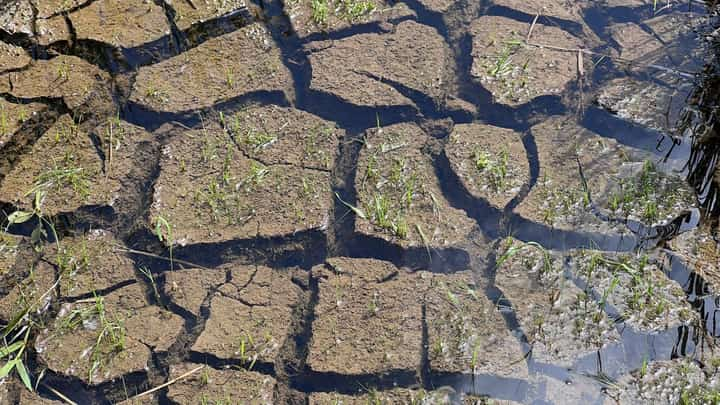
The DOH urges Filipinos to stay hydrated and take precautions against heat exhaustion and heat stroke amid rising temperatures linked to El Niño.
The Department of Health (DOH) is urging the public to stay hydrated and take precautions against heat exhaustion and heat stroke as rising temperatures driven by the El Niño phenomenon continue to affect the country.
As extreme heat persists, the risk of heat-related illnesses, ranging from mild heat cramps and exhaustion to life-threatening heat stroke, increases.
To protect households and communities, the DOH advised Filipinos to drink at least eight to 10 glasses of clean water daily, even when they do not feel thirsty. It also urged the public to reduce consumption of caffeinated, sugary and alcoholic drinks, which can accelerate fluid loss.
The agency recommended wearing light-colored, loose-fitting and breathable clothing, limiting strenuous outdoor activities during the hottest hours of the day, and taking frequent breaks in shaded or well-ventilated areas.
The DOH also urged the public to closely monitor senior citizens, infants, young children, pregnant women, outdoor workers and people with pre-existing conditions such as hypertension and heart or respiratory diseases.
In response to the heightened public health risks posed by El Niño, Health Secretary Dr. Edwin M. Mercado has directed all DOH regional offices, retained hospitals and partner local government health units to ensure operational readiness for heat-related medical emergencies.
"I have directed all DOH hospitals and regional health offices to ensure uninterrupted water supply, maintain adequate stocks of oral rehydration salts and emergency supplies, and set up dedicated fast-track hydration and cooling stations while coordinating closely with local government units to protect our most vulnerable citizens against preventable heat-related illnesses," Mercado said.
He also instructed local health teams to monitor heat index advisories issued by the Philippine Atmospheric, Geophysical and Astronomical Services Administration (PAGASA) and immediately activate response protocols when heat index levels reach the "Danger" (42°C to 51°C) or "Extreme Danger" (52°C and above) thresholds.
The DOH reminded the public to watch for symptoms of heat exhaustion, including heavy sweating, extreme fatigue, dizziness, muscle cramps and nausea.
If left untreated, heat exhaustion may progress to heat stroke, a medical emergency characterized by very high body temperature, confusion or slurred speech, difficulty breathing, seizures and loss of consciousness.
Anyone experiencing or witnessing these symptoms should immediately move the affected person to a cool, shaded area, loosen tight clothing and apply cool, wet cloths to the body. Offer sips of water only if the person is fully conscious and seek urgent medical attention at the nearest health facility.