
Bishops seek probe into alleged rights abuses against Indigenous peoples
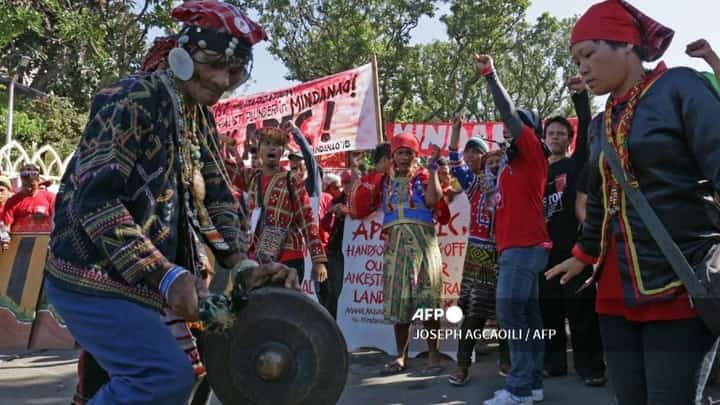
Two Catholic bishops have appealed for investigations to be conducted against alleged harassment committed against indigenous peoples (IPs) in the provinces of Nueva Vizcaya and Quirino.
“We call on the Commission on Human Rights and other competent authorities to investigate allegations of intimidation, violence, red-tagging, and judicial harassment,” said Caritas Philippines president Bishop Gerardo Alminaza and Catholic Bishops’ Conference of the Philippines-Episcopal Commission on Indigenous Peoples (CBCP-ECIP) chairperson Bishop Moises Cuevas said in a joint statement.
They stressed that the rights of IPs to peaceful assembly, expression, and due process must be upheld.
The bishops added that the IP communities as well as human rights defenders must be protected also from threats and retaliation.
The prelates made the appeal after meeting with various IP communities who have been protecting their lands and learned of accounts of various human rights violations.
“These accounts must be taken seriously and with urgency,” stressed Alminaza and Cuevas.
The bishops lamented that these communities face threats to their water sources, agricultural livelihoods, and ancestral domains.
During their talks with the communities, the bishops said the IPs expressed concerns whether certain permits, Certificates of Non-Overlap, and consent processes adequately respect their rights.
“For Indigenous Peoples, ancestral land is more than a source of livelihood. It is inseparable from their identity, culture, spirituality, and community life. It carries the memory of their ancestors and the hopes of future generations,” stated Alminaza and Cuevas.
The prelates reminded that Republic Act (RA) No. 8371, also known as the Indigenous Peoples’ Rights Act, recognizes ancestral-domain rights and safeguards these rights through free, prior and informed consent (FPIC).
“These rights must be respected and protected. Consent must be freely given through legitimate Indigenous decision-making processes, without manipulation, coercion, or intimidation,” they said.
Alminaza and Cuevas said the Church teaches that the protection of people and creation cannot be separated.
“Forests, watersheds, farms, and rivers sustain communities. Development must serve the common good and not threaten livelihoods, food security, and the well-being of future generations,” stated the bishops.