
Leadership lessons from chairing an ASEAN working group
The experience taught me that leadership in ASEAN is not about imposing one’s country’s priorities on others.
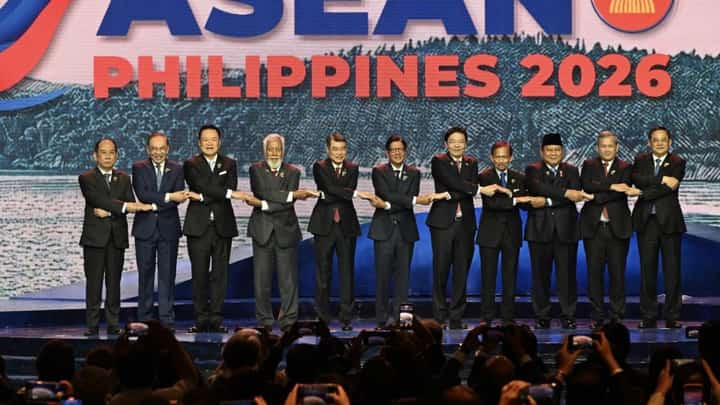
As the Philippines’ chairmanship of ASEAN comes to a close this year, I am reminded of my own experience leading one of the region’s important technical working groups — the ASEAN Working Group on Intellectual Property Cooperation (AWGIPC).
It was in 2021, during my tenure as director general of the Intellectual Property Office of the Philippines (IPOPHL), that an unexpected opportunity for leadership presented itself. Under the established rotation, the next ASEAN member states in line to chair the AWGIPC declined the responsibility because of Covid-19. This created a leadership vacuum at a time when regional cooperation on intellectual property (IP) was becoming increasingly important. Singapore was not interested because its chief executive had just assumed office. I told them that I, too, had been in office as IPOPHL director general for only a year.
After the members of the IPOPHL Executive Committee gave their blessings, I decided to offer myself for the responsibility. I believed that the Philippines should not shy away from an opportunity to lead, particularly when regional cooperation needed continuity and direction, especially during a difficult period. Thus, from March 2021 to March 2023, I served as chair of the AWGIPC.
It was not an easy assignment. We were still dealing with the effects of the Covid-19 pandemic, which significantly affected the way governments and institutions operated. Meetings, consultations and negotiations had to be conducted virtually at the start.
Building consensus among ASEAN member states, each with different priorities, levels of development and institutional capacities, required patience, diplomacy and a clear understanding of our common objectives. Worse, it was difficult to build relationships through virtual means.
Our principal guide was the ASEAN Intellectual Property Rights Action Plan 2016-2025, which provided the framework for strengthening the region’s IP ecosystem. The plan sought to improve IP protection and enforcement, enhance IP services, promote innovation and creativity, and encourage greater utilization of intellectual property as an economic asset.
I am particularly proud that during my two-year chairmanship, we successfully hit our target of 75-percent accomplishment of the 56 deliverables under the ASEAN IP Action Plan. This was a significant achievement considering the circumstances under which we worked and the level of accomplishment of only 30 percent during the six years before we assumed the chairmanship.
More than accomplishing targets, however, I valued the relationships and partnerships we developed among the ASEAN IP offices. We recognized that while our countries differed in economic development and institutional capabilities, we shared a common aspiration: to make intellectual property an important driver of innovation, investments, competitiveness and inclusive economic growth in the ASEAN region.
The experience taught me that leadership in ASEAN is not about imposing one’s country’s priorities on others. It is about listening, building trust, finding common ground and moving forward together. Progress may sometimes be slow because consensus requires time, but the results are more sustainable when every member state has a sense of ownership.
As the Philippines chairs ASEAN again, I hope our leaders will recognize the importance of continuity in the work of the various sectoral bodies and working groups. The success of an ASEAN chairmanship should not be measured solely by the number of meetings conducted or declarations issued, but by concrete outcomes that benefit our people and strengthen regional cooperation.
Looking back, I consider my AWGIPC chairmanship one of the most meaningful experiences of my public service career. I did not originally plan to lead the ASEAN working group, but when the opportunity arose, I believed it was the right thing to do.
Sometimes, leadership is not about waiting for your turn. It is about stepping forward when the situation calls for it, accepting the responsibility and bringing people together toward a common goal.
That, to me, is what ASEAN leadership is all about — not simply taking the chair, but making a difference while sitting in it.