
Northern Cebu shipyard park eyed easing repair shortage
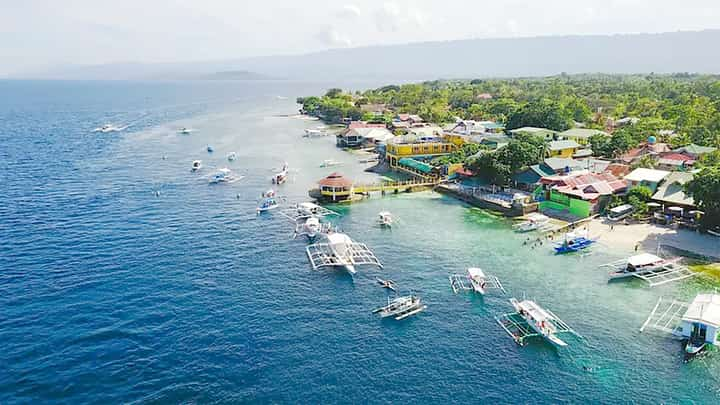
NORTHERN Cebu is being actively explored as a potential location for a maritime industrial park. Initial assessments by industry stakeholders such as the Philippine Coastal Shipping Association have identified potential 100-hectare or larger sheltered coastal sites in Northern Cebu (such as areas around Tabogon and the eastern side of the province) that could physically accommodate vessel construction, maintenance, and fabrication.
Photograph courtesy of Traveloka
The Philippine Coastwise Shipping Association (PCSA) is exploring the establishment of a maritime industrial park in Northern Cebu to attract shipyard investments and address the shortage of ship repair facilities across the country.
PCSA president Paul Rodriguez said the group is discussing the proposal with Cebu Governor Pamela Baricuatro.
PCSA chairman Lucio Lim Jr. said the country had not built enough new shipyards to keep pace with the growing number of vessels requiring regular maintenance and inspection.
Severe lack of shipyard, ship repair facilities
“There is a severe lack of shipyard, ship repair facilities now, not only in Cebu, all over the country for that matter,” Lim told reporters.
He said passenger and cargo vessels must undergo dry-docking every two years for inspections of their underwater structures, propulsion systems and propellers. However, the limited number of facilities has made ship repair capacity a growing concern, particularly in Cebu, a key shipping hub.
Lim said the proposed industrial park could make it easier for investors to establish shipyards by addressing regulatory hurdles, including difficulties in converting agricultural land for industrial use.
He cited a proposed investment in Tabogon that encountered a lengthy land-conversion process, which he said took three years and eventually reached government offices in Manila.
Wider transport infrastructure improvements
The association is also pushing for wider transport infrastructure improvements, including strategic expressways across the Visayas and Mindanao, as well as the removal of roll-on/roll-off (RoRo) terminal fees.
Lim proposed a 230-kilometer expressway from Bogo City to Santander in Cebu, a 214-kilometer route from Caticlan in Aklan to Iloilo City, and a 391-kilometer corridor connecting Surigao City to Davao City.
He said a feasibility study could be funded through public-private partnerships or long-term congressional appropriations.
RoRo vessels
The PCSA also wants RoRo vessels treated as bridges and their ports as extensions of the national highway network, arguing that terminal fees add to freight costs.
Lim said these charges account for about 5 percent to 10 percent of freight costs for a 10-wheeler truck and can reach 15 percent on some short-haul routes, with the added expenses eventually passed on to consumers.