
Manila Mafia Film Festival
They were winning awards, too, and raking it in at the box office. Which proves the saying, ‘may pera sa basura.’
Two years ago, the Metro Manila Film Festival (MMFF) made much ado about its 50th anniversary with a host of commemorative ceremonies. The funny thing is that the MMFF has very little to celebrate.
Now in its 52nd year in 2026, where’s the Palme d’Or? The Leone d’Oro? The Golden Bear? The Grand Jury Award? Even the Grand Prize from Busan? Or even from Donostia? None, nein, nada, nichevo, zilch, camote.
It’s sad because the MMFF had grandiose plans and, when it started in 1975, was doing quite well in terms of quality. The first best picture winner, the Joseph Estrada starrer Diligin Mo Ng Hamog Ang Uhaw Na Lupa, was a well-crafted Augusto Buenaventura opus that had a strong social message, as well as an A-list cast that made it both a commercial and critical success.
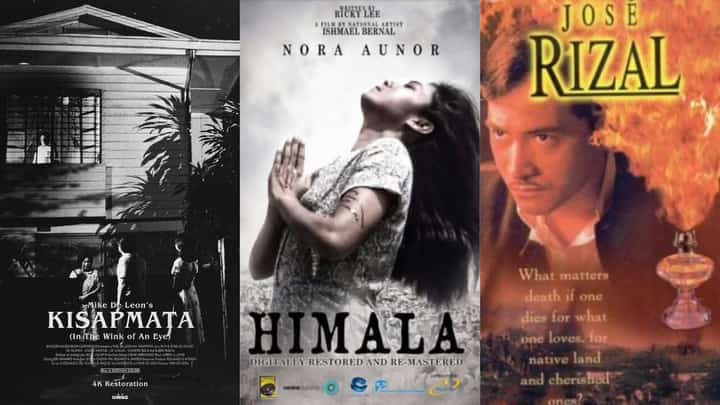
Other great movies in the MMFF included Kisapmata (1981), Himala (1982), Jose Rizal (1998) and Paradise Inn (1985).
Then, to quote from a popular Earth, Wind & Fire song, “Something happened along the way.”
While some great movies — such as Yamashita (2001), Baler (2008) and Manila Kingpin (2011) — managed to get their best picture awards, the rest of the lot were middling at best and, more often than not, pure unadulterated rubbish. And they were winning awards, too, and raking it in at the box office. Which proves the saying, “may pera sa basura.”
So, why has the MMFF become crapola lately?
First, the fact that — unlike most film festivals that are run by nonprofits composed of people who actually know movies — the MMFF is run by the Metropolitan Manila Development Authority, an agency created to run the metropolis and populated by persons who are political appointees.
These people know as much about films as I know of celestial mechanics. Heck, they can’t even run Metro Manila well.
Second, the emphasis has always been on commercial appeal rather than cinematic excellence.
This is because the local government units of Metro Manila get a share of the take at the till by way of amusement taxes. Thus, the entries that are awarded are those that pander to the lowest and basest tastes of the moviegoing public.
Third (and most recently), there is now a mafia in the selection process that guarantees slots to favored film companies. If you don’t believe me, look at the studios that made the festival in the last 10 years or so — it’s always the same producers making the same formulaic films. At the expense of innovative filmmakers eager to try new themes and new approaches.
A case in point: Our entry in 2024, The Gringo Honasan Story, epic in scope and budgeted at almost P80 million, was beaten out by a weird, low-budget thriller just because it starred the then-girlfriend of Sandro Marcos.
Sadly, the culture of “bend the law” has also crept into the MMFF. The rule that movies previously screened commercially are no longer qualified for the MMFF has been roundly ignored in the case of the present entry, Seeds of Peace, just so a certain religion can use the festival to enhance the beatification of an unknown priest whose only claim to “fame” was that he was accidentally captured by Muslim insurgents and executed.
So there you have it, ladies and gents, the New MMFF. Run like a syndicate, churning out trash for money and contributing nothing to the prestige of the country’s moribund film industry.