
Paper pesos don’t fill empty stomachs
If our government continues to treat this crisis as a series of slow-moving press opportunities rather than an absolute emergency, we are heading toward widespread devastation.
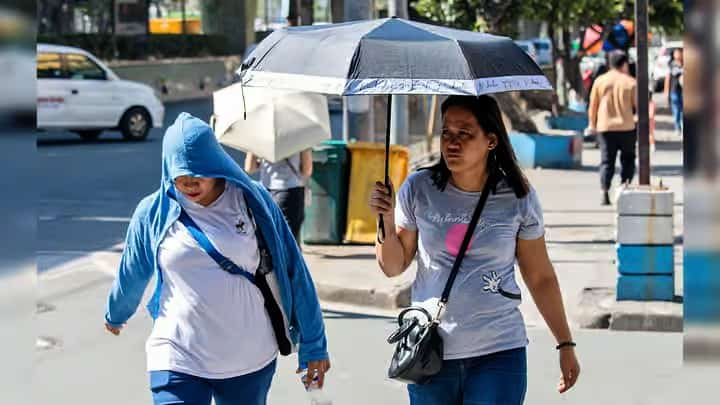
The heat in Metro Manila this year doesn’t just burn your skin; it scorches your soul. You feel it the moment you step outside, but more critically, you feel it at the dinner table. Or, in far too many Filipino homes today, at the empty table.
We are living through a quiet, excruciating catastrophe. The latest Social Weather Stations survey tells us that involuntary hunger has surged to a staggering 22.6 percent. Think about that number for a second. Strip away the sterile statistics and economic jargon — that is nearly one in every five Filipino families staring at an empty plate, listening to the agonizing wails of their hungry children, and putting them to bed on a glass of tap water.
In Metro Manila, that rate skyrockets to 27 percent. Read that again. In the gleaming capital — where power decisions are made and multibillion-peso budgets are drawn — more than a quarter of our neighbors are starving.
Go to any wet market in Quezon City or Tondo. Watch a mother negotiate for a fraction of a kilo of rice while her eyes well up with tears. Rice inflation has hit an unforgiving 20.3 percent. Overall food inflation has climbed to a three-year high of 7.2 percent. The basic staples that kept this nation alive are fast becoming luxuries reserved for the rich. A bag of vegetables now costs a small fortune; a decent meal is a distant memory.
And what are our leaders doing? They parade numbers. They talk about a ₱231.5-billion budget for agriculture and ₱68.9 billion for social protection. They tout a P62-billion emergency response plan for the brutal El Niño cycle choking our palay and corn fields. But here is the bitter truth: paper pesos do not fill hungry stomachs.
A recent study by the Philippine Institute for Development Studies exposed the grotesque reality behind our national policy: the Department of Agriculture’s budget disbursement rate sits at a pathetic 62.5 percent.Bureaucrats are sitting on funds while farmers in the provinces watch their crops wither into dust, and families in the cities pick through trash for “pag-pag,” other people’s leftovers. It is not just an administrative failure; it is a moral crime.
We talk big about modernizing. We pass laws like the Integrated Urban Agriculture bills, offering tax incentives for turning idle lots into community gardens. Urban vertical farming sounds wonderful in press releases. But let us be painfully real: a few balcony tomato plants in a crowded barangay will not save a family from systemic starvation when the cost of the basic grain has outstripped their daily wage. Urban agriculture is a desperate safety net, not a substitute for a functioning national agricultural policy.
El Niño is projected to stretch its dry, choking grip into 2027. We are facing crop losses of up to 700,000 metric tons of palay. If our government continues to treat this crisis as a series of slow-moving press opportunities rather than an absolute emergency, we are heading toward widespread devastation.
Hunger is not an abstract policy problem. It is a slow, agonizing violence inflicted on our people every single day. Our leaders need to stop hiding behind promises and disburse the aid NOW.
Because a nation that cannot feed its own people is not just failing — it is breaking.