
A barangay’s past comes to life in ‘Lahug’
‘Lahug, Gikan sa Tudling: A History of a Cebuano Locale’ makes local history studies more exciting, bringing together family archives, residents’ memories, and research to trace the Cebu City community’s transformation from an agricultural landscape to an urban center.

History is often told through the stories of nations, provinces and cities. Lahug, Gikan sa Tudling: A History of a Cebuano Locale brings the lens closer, tracing the life of a single barangay in Cebu City.
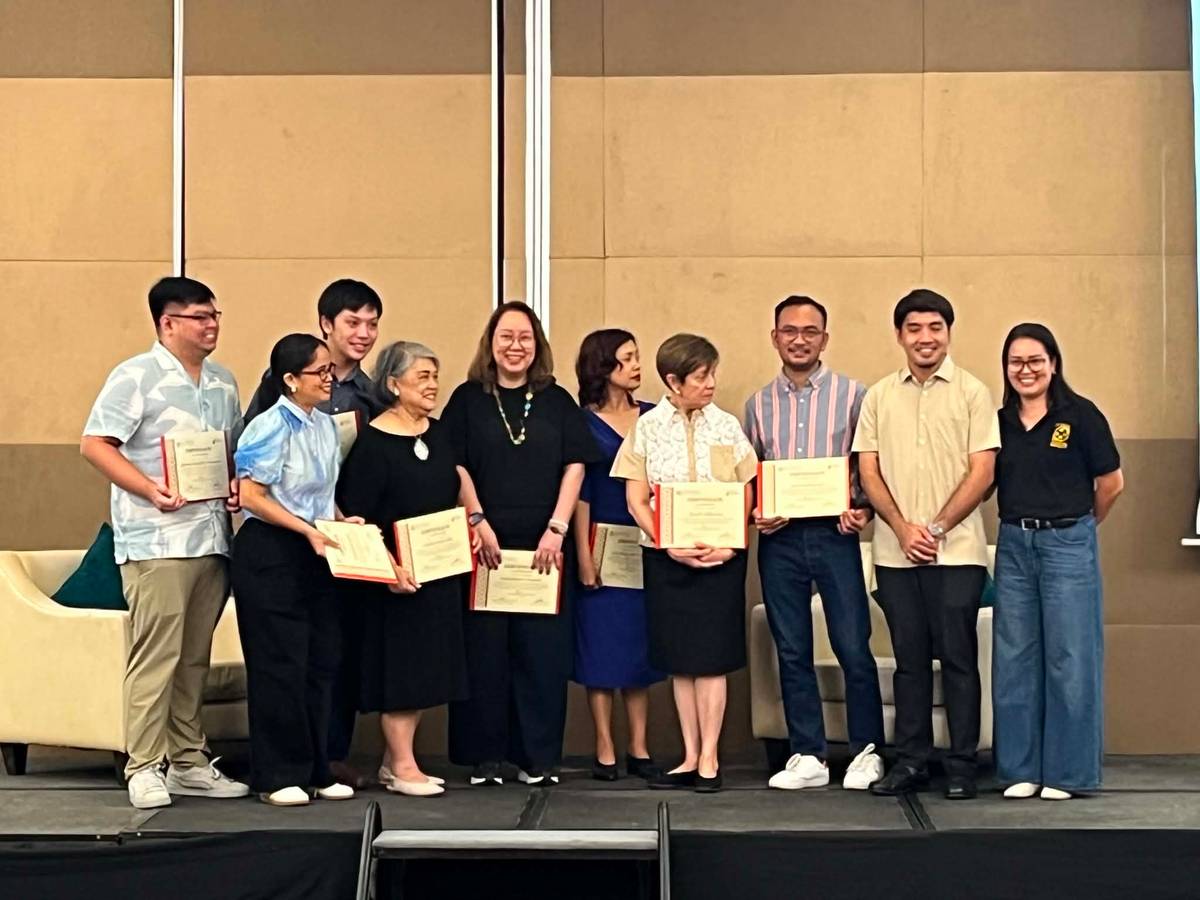
CONTRIBUTORS to 'Lahug, Gikan sa Tudling' gather for a photograph.
Edited by Maria Karina “Kara” Garilao and published by the University of San Carlos Press, the book began with an idea from Garilao’s mother, Polly. It grew into a collaboration among historians, researchers, writers, artists and photographers. Through family archives and interviews with longtime residents, it looks beyond Lahug’s high-rise buildings to the people and places that shaped the community.
The more than 300-page volume follows Lahug from its early history through 1986. Archival images appear alongside photographs by Cebuano photographer Stan Cabigas. Garilao said the work demanded considerable time and effort, particularly in gathering oral histories and gaining access to family collections. The team paid special attention to the mid-twentieth century, a period she said has received limited attention in local histories.
The contributors are Louella Alix, Virla Jeaeve Castillanes, Jeremy Gerald Clemente, Joselito Corpuz, Laya Boquiren Gonzales, Jay Nathan Jore, Katherine Lacson, Socorro Velez Lienaw and Noah Iñigo Toledo Tan. Carla Gamalinda created an insert mapping memories of Lahug in the 1960s, while Michael Pante copyedited the book.
A complex history
Clemente opens with Lahug’s changing landscape: its early settlement, place within a hacienda, territorial disputes and agricultural life in the nineteenth century. He also examines the possible origins of the name Lahug or Lahog, without settling on a single meaning.
He then turns to the dissolution of haciendas in the early American period, including the Banilad estate of which Lahug had been a part. Lacson traces Lahug’s transformation into a suburb during the American period, followed by the war years and postwar reconstruction.
Tan, an 18-year-old history student at Ateneo de Manila University, writes about families who settled in Lahug from the late nineteenth to the early twentieth century. Members of some of these families later became prominent in Cebu’s business and political life.
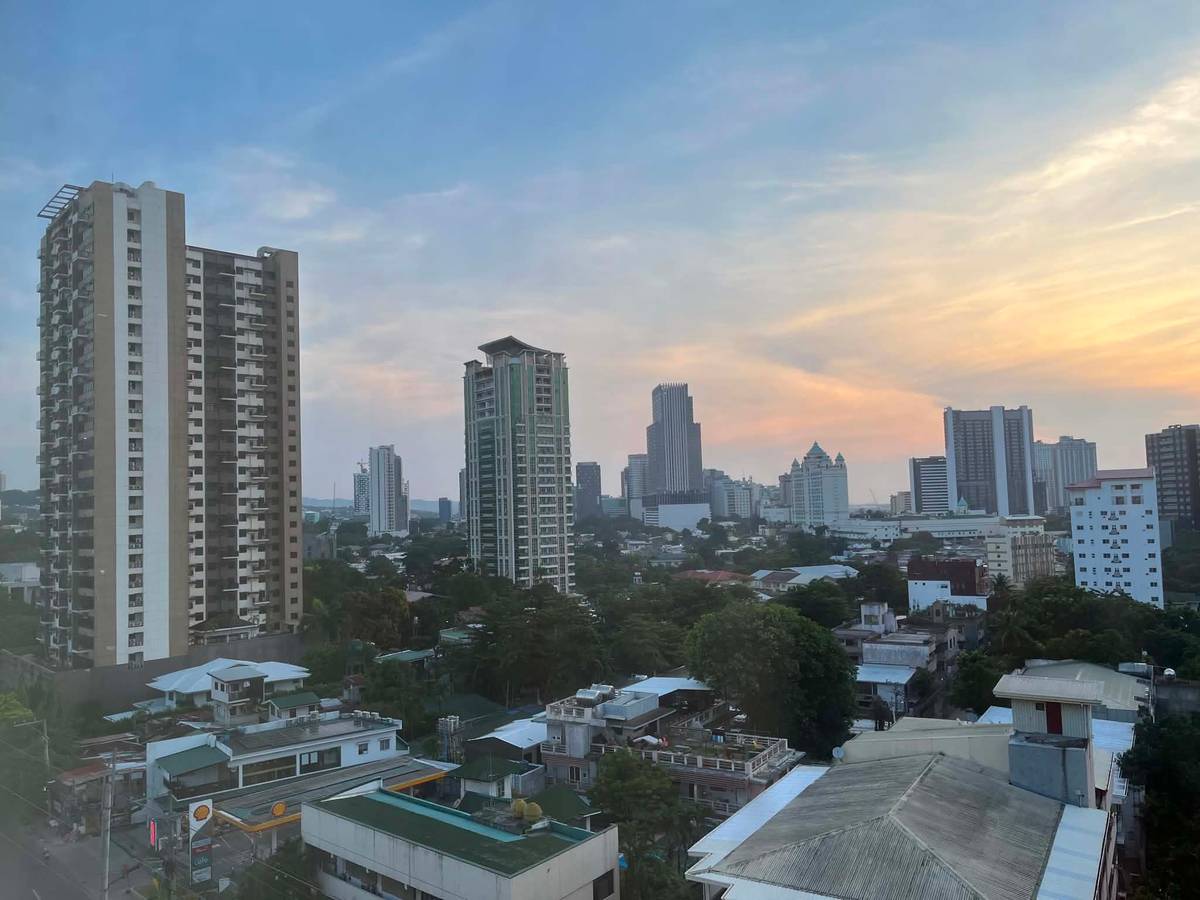
HIGH-RISES now tower above the houses and trees of present-day Lahug, Cebu City.
Personal recollections give the book another kind of history. Alix remembers the Lahug of her youth, including recipes shared during celebrations. Garilao writes about the landscaped gardens once common in Lahug compounds. Lienaw recalls growing up in a house called “Bungtod,” while Castillanes describes the games children played.
Layers of everyday life
Garilao also examines the lives of domestic workers and service providers, whose work was integral to Lahug’s households and community. She explores the area’s mid-20th-century homes, while Castillanes contributes an account of farming.
Later chapters take up the martial law years, with Lacson examining that period in Lahug’s history. Jore looks at Gorordo Avenue as a center of education and religious life, and as a former home to art spaces. Gonzales writes about contemporary Lahug, while Corpuz surveys its built environment.
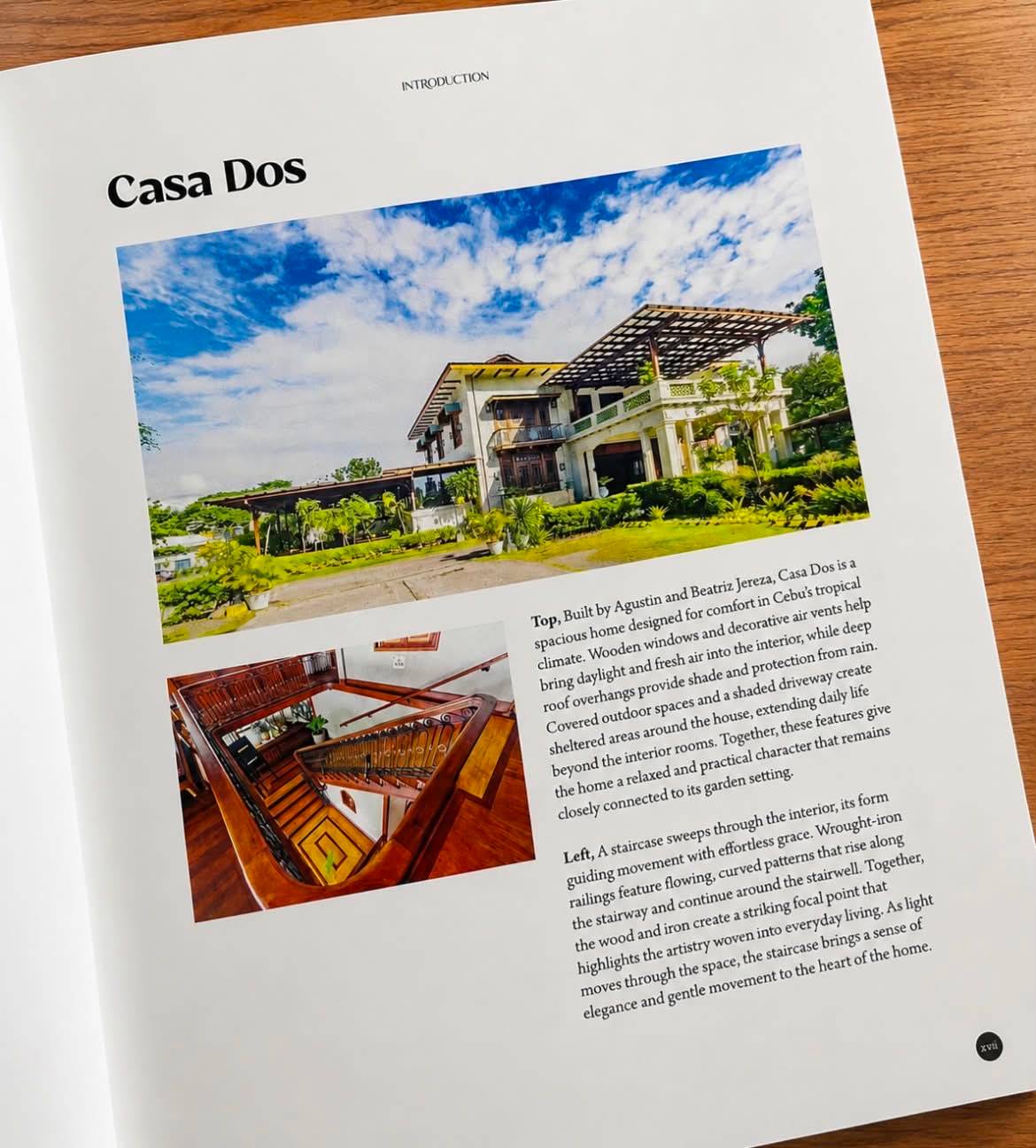
A PAGE from the book features Casa Dos, one of the homes in Lahug.
Among Lahug’s most familiar landmarks was Cebu’s old airport. Its grounds hosted a Mass celebrated by Pope John Paul II on February 19, 1981. Part of the former airport site is now Cebu IT Park. The old runway and terminal have largely disappeared beneath subsequent development.
Today, Lahug is home to hotels, offices, restaurants, schools and religious institutions. Cebu IT Park and its businesses, along with the Sugbo Mercado night market, draw people from across the city. The book also shows how Lahug’s boundaries and identity have shifted: areas associated with it in the mid-twentieth century now belong to neighboring barangays, including Camputhaw, Luz, Kasambagan and Apas.
By gathering records and memories at the scale of a barangay, Lahug shows how much of a city’s history can be found in the places people once called home.
The book costs P2,500. Copies are expected to be available at the USC Press store in Talamban. For orders, email publishinghouse@usc.edu.ph.